
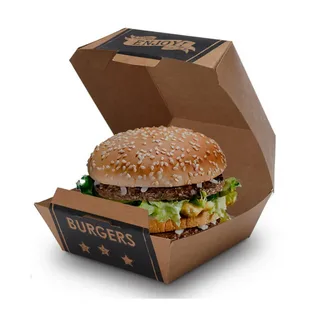

Custom Burger Boxes deliver strong packaging performance for fast food brands, improving presentation, durability, and customer experience in every order.
Custom Burger Boxes are a powerful food presentation and handling for fast food companies. These boxes help in brand identity and the security of meals when they are delivered and when they are carried away. Perceptions of food quality are enhanced when the packaging is a reflection of attention to detail and structure. Contemporary food stores rely on packaging that is in line with consumer expectations and business requirements. Customers who appreciate consistency would enhance recognition and repeat business because of a strong box design. Packaging is also a way of supporting marketing, and there is no additional cost attached to it. Custom cardboard burger boxes are durable and preserve the shape of various sizes of burgers. These packaging solutions allow businesses to have a professional look in different service environments and keep food intact throughout the transporting and serving experiences. Consistency in packaging helps in customer trust in the long run.
Design Purpose
The design of food packaging is significant to customer perception of fast foods. Packaging structure influences the convenience of handling and quality of presentation during the delivery environment. The brand identity is enhanced when the packaging design is consistent in all service points. Custom Burger Boxes The food chain supply systems rely on bulk supply options like the sale of burger boxes in large quantities to maintain stable operations. The strength of the materials and their shape retention allows safe transportation of hot meals without deformation. The speed of service in a busy restaurant is also influenced by packaging design. When packaging is shaped and looks good after delivery, customer satisfaction will be enhanced. Visual structure is useful in preserving the product identity and inspires repeat-buying behavior. The operational planning should take into consideration packaging durability, stacking capacity, and handling efficiency with various outlets. Stable packaging design facilitates sustainable service delivery of fast food brands in competitive markets. Design articulateness affects customer experience and product awareness within various sales channels on a daily basis.
Material Build
The choice of materials defines the ability to withstand different temperature conditions and the performance of the package. The containment of food requires adequate thickness and strength of the structure during transport and handling. Quality standards are used to maintain the shape of the packaging when it is subjected to moisture or heat. Bulk supply chains frequently use custom burger boxes wholesale to ensure that they get materials across vendors in a consistent manner. The density of cardboard influences rigidity and the capability of safeguarding foodstuffs in transit. Precision in manufacturing helps in the consistency of the size of the packaging and ease of stacking in the storage procedures. The consistency of operation demands controlled production techniques that can sustain long-term usability. Surface texture has an effect on the clarity and visual presentation of prints to use in the branding of food. The durability test ensures the packaging is under pressure during the stacking and transportation stages. Material engineering promotes structural stability in the various storage conditions of food outlets. Stability in the quality of the builds decreases the risk of damage and increases efficiency of the services in the fast-paced kitchen during the day-to-day running of the kitchen operations, flow system stability and control.
Brand Identity
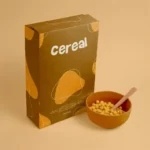
Brand awareness relies on the use of the same packaging images and structure in the representation of the products. When packaging has a similar appearance to various orders, customer recall is enhanced. Packaging aids in brand awareness in the competitive food market. Sometimes retail chains also refer to individual cereal boxes as inspiration in portion control design. The logo position and color scheme affect the perception of the customers of the food quality standards. Brand identity is enhanced by duplication of packaging style in service locations. Presentation consistency generates familiarity to aid retention in customer strategies. The design alignment in packaging would guarantee the visual consistency of all the product types available. The selection of material finishing also helps in the perceived quality and brand trust of the consumers. Marketing consistency is based on packaging consistency and controlled design implementation in all outlets. Powerful brand systems employ packaging as a product identity reinforcement tool of communication. Repetition of design creates recognition in saturated food markets after a long period of exposure to customers each day.
Market Demand
With the growth of fast food services, the market demand for packaging solutions is on the increase. The packaging standards of various restaurant groups and delivery systems are affected by consumer demands. The expansion of business requires scaled packaging that will accommodate the daily operations’ needs. The value of advertising is enhanced with the introduction of clear brand elements on surface designs on custom printed burger boxes. Packaging systems adopted by fast food chains are in line with the speed of service. The customer behavior and seasonal consumption changes will influence demand patterns. The availability of packaging influences the efficiency of fulfilling orders in a high-volume restaurant setting. Supply coordination is used to maintain a constant supply of materials to continue the operations of the services. The pressure of competition in the market leads to packaging structure, printing quality, and the choice of materials applied in the different food industries. Demand forecasting assists companies in keeping stock that is sufficiently high to facilitate continuous packaging lines. The operational scaling demands packaging flexibility between various service models in food industry setups, which are in the process of continuous expansion demand market flow.
Printing Style
The process of printing affects the message that the packaging conveys about the brand identity and product attractiveness. Food visual clarity will enable customers to be able to identify food items within the service interactions in a short period. Design congruency helps in maintaining the same look in various packaging formats deployed in restaurants. Custom branding is also seen in customized burger boxes, an organized printing layout, and the use of colors. Print resolution influences the clarity of logos and text on the surfaces of packaging. Surface finishing techniques lead to tactile qualities and effects of strong visual impressions. Custom Wholesale Boxes The color consistency of batches of packaging guarantees consistency in the brand representation of the same in distribution channels. Printing accuracy gives the appearance of professionalism and enhances product awareness in saturated markets. Sophisticated printing enables elaborate graphics and typography that add value to packaging communication. Printing quality control makes sure there is consistency in large production runs of food packaging materials. Brand messaging depends on the accuracy of printing performance of all surfaces used in the service environment in terms of system reliability and the production flow control criteria.
Conclusion
Custom Burger Boxes are core in the performance of packaging as well as brand presentation in food service activities. They affect customer perception in terms of structure, durability, and visual consistency in each order. Packaging strength helps in delivering safely and also ensures the quality of food throughout handling and transportation. Effective packaging systems can ensure consistency and flow of operations in service settings for businesses. Consistency in design creates awareness and helps customers to trusn the design with repeated interactions. Packaging choices are indicative of long-term business stability and product presentation in competitive markets. Customer experience relies on the quality of materials and execution of designs in each service stage in the daily operations flow systems continuity.