

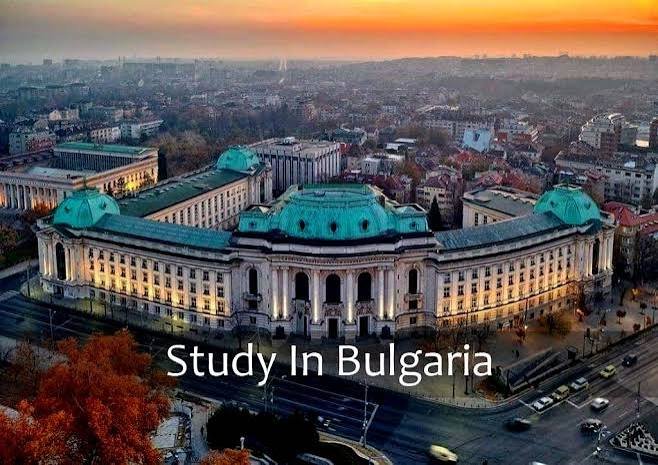

Studying abroad doesn’t have to drain your savings. Bulgaria is one of the most affordable countries in Europe for international students—low rent, cheap food, and a reasonable cost of living make it a popular choice. But “affordable” still requires a plan.
This post breaks down five practical tips to help you manage your money while studying in Bulgaria, plus answers to common questions students ask before and after arrival. Whether you’re budgeting for groceries or figuring out your income options, you’ll find clear, actionable advice here.
Are Students Allowed to Work in Bulgaria?
Are students allowed to work in Bulgaria? This is one of the first questions international students ask, and the answer depends on where you’re from. While the rules vary based on your nationality and residence status, many international students are permitted to work under certain conditions while studying in Bulgaria. Understanding the applicable regulations before accepting a job can help you stay compliant with Bulgarian immigration and labor laws.
EU/EEA students can work in Bulgaria without any restrictions. No work permit required.
Non-EU students studying in Bulgaria on a long-term student visa (Type D) are generally allowed to work part-time—up to 20 hours per week during the academic semester—without needing a separate work permit, as long as their enrollment is full-time. However, immigration rules can change, so it’s always best to confirm your specific status with your university’s international office or the Bulgarian Migration Directorate before accepting any job.
Common part-time jobs for students include tutoring, hospitality work, freelancing, and on-campus positions. Knowing your legal right to work is the first step to building a stable financial plan.
How to Work in Bulgaria as a Student and Earn Extra Income
Beyond the legal basics, the practical question is: where do you actually find work?
Here are some realistic options:
- Tutoring: If you’re fluent in English (or another widely spoken language), tutoring local students is well-paid and flexible. Platforms like Superprof and local Facebook groups are good starting points.
- Hospitality and retail: Sofia, Plovdiv, and Varna have growing tourism industries. Cafés, hostels, and restaurants regularly hire part-time staff.
- Freelancing: Remote work in writing, graphic design, web development, or translation is increasingly viable for students with marketable digital skills.
- On-campus jobs: Check with your university’s student services department. Library assistants, lab helpers, and administrative roles are often reserved for enrolled students.
Even a modest part-time income—say, 400–600 BGN per month—can cover a significant portion of your living costs in Bulgaria.
Tip 1: Find Affordable Student Accommodation Early
Housing is typically your biggest monthly expense. In Sofia, a room in a shared apartment costs between 300–500 BGN per month, while university dormitories can be significantly cheaper—sometimes as low as 150–200 BGN per month.
Apply for dormitory housing as early as possible. Spots fill up fast, especially at larger universities like Sofia University St. Kliment Ohridski and the Medical University of Sofia. Private rentals in student-heavy neighborhoods like Studentski Grad (“Student City”) offer a good balance between cost and convenience.
Avoid signing long-term leases before you arrive. Spend the first week or two in temporary accommodation while you scout your options in person.
Tip 2: Shop Smart and Cook at Home
Food in Bulgaria is genuinely affordable—but only if you shop and cook strategically.
Local markets (called pazari) sell fresh produce, dairy, and bread at prices well below supermarket rates. A weekly grocery run for one person can cost as little as 30–50 BGN if you stick to local products. Bulgarian staples like banitsa (cheese pastry), ayran (yogurt drink), and seasonal vegetables are both cheap and filling.
Supermarket chains like Lidl, Kaufland, and Billa are widely available and regularly run promotions. Avoid convenience stores and tourist-area restaurants for day-to-day meals—the price difference is significant.
Meal prepping two to three times a week saves both time and money. It also reduces the temptation to order delivery, which adds up quickly.
Tip 3: Use Student Discounts Aggressively
Your student ID is a financial tool—use it like one.
In Bulgaria, student cards provide discounts on:
- Public transport: Students receive heavily subsidized monthly passes in most cities. In Sofia, a monthly student transport card costs a fraction of the standard adult fare.
- Museums and cultural sites: Most national museums offer free or reduced entry for students.
- Cinemas and theaters: Many venues offer 30–50% off for students on select days.
- Software and services: International discounts from platforms like Spotify, Adobe, and Microsoft 365 apply in Bulgaria too.
Ask about student pricing everywhere—many places don’t advertise it prominently, but will offer a discount when asked.
Tip 4: Build a Simple Monthly Budget
Budgeting doesn’t have to be complicated. A basic spreadsheet or free app like Spendee or Wallet is enough to stay on track.
Here’s a rough monthly budget for a student living in Sofia:
Expense | Estimated Cost (BGN) |
|---|---|
Rent (shared flat) | 350–500 |
Groceries | 150–200 |
Transport | 20–40 |
Utilities | 50–80 |
Phone & internet | 20–30 |
Entertainment | 50–100 |
Total | 640–950 |
Bulgaria’s minimum wage is relatively low, and student part-time work can realistically cover a large portion of these costs. The key is tracking where your money actually goes, not just where you plan for it to go.
Tip 5: Take Advantage of Free and Low-Cost Activities
Living on a budget doesn’t mean missing out. Bulgaria has a lot to offer that costs little or nothing.
- Hiking and nature: The Vitosha mountain is accessible directly from Sofia by bus and offers free trails year-round.
- Free cultural events: Universities, embassies, and cultural centers regularly host free film screenings, exhibitions, and concerts.
- Student clubs and organizations: Many universities have active student unions that organize subsidized trips, social events, and workshops.
- City libraries: Sofia’s public library system offers free access to books, quiet study spaces, and occasionally free workshops.
Exploring Bulgaria on weekends doesn’t have to be expensive either. Bus travel between cities like Plovdiv, Veliko Tarnovo, and Bansko is cheap, and many hostels offer student-friendly rates.
Final Words
Studying in Bulgaria on a budget is entirely achievable with the right habits in place. Focus on the basics: affordable housing, home-cooked meals, smart use of student discounts, and a simple budget you can actually follow. If you’re eligible to work part-time, even a small income makes a meaningful difference.
Bulgaria rewards students who take the time to understand how things work locally. The cost of living is low, the country is beautiful, and with a bit of planning, your student years here can be both rich in experience and light on financial stress.
Frequently Asked Questions
How much does it cost to live as a student in Bulgaria per month?
On average, students in Bulgaria spend between 640–950 BGN (approximately €320–€475) per month, covering rent, food, transport, and basic expenses. Sofia is the most expensive city; smaller cities like Plovdiv or Varna tend to be slightly cheaper.
Can international students open a bank account in Bulgaria?
Yes. Most major Bulgarian banks—such as UniCredit Bulbank, DSK Bank, and Postbank—allow international students to open a basic account with a valid passport, student visa, and proof of enrollment. Some accounts have no monthly fees.
Is Bulgaria cheap for students compared to other European countries?
Yes. Bulgaria consistently ranks among the most affordable countries in the EU for students. Rent, food, and transport costs are significantly lower than in Western European countries like Germany, France, or the Netherlands.
What is the cheapest city to study in Bulgaria?
Outside of Sofia, cities like Plovdiv, Varna, and Veliko Tarnovo offer lower rent and living costs while still hosting reputable universities and a vibrant student culture.
Do Bulgarian universities offer scholarships for international students?
Some Bulgarian universities offer merit-based scholarships or reduced tuition for international students. The Bulgarian government also participates in Erasmus+ exchange funding for EU students. Contact your university’s admissions or international office for specific details.