


Introduction
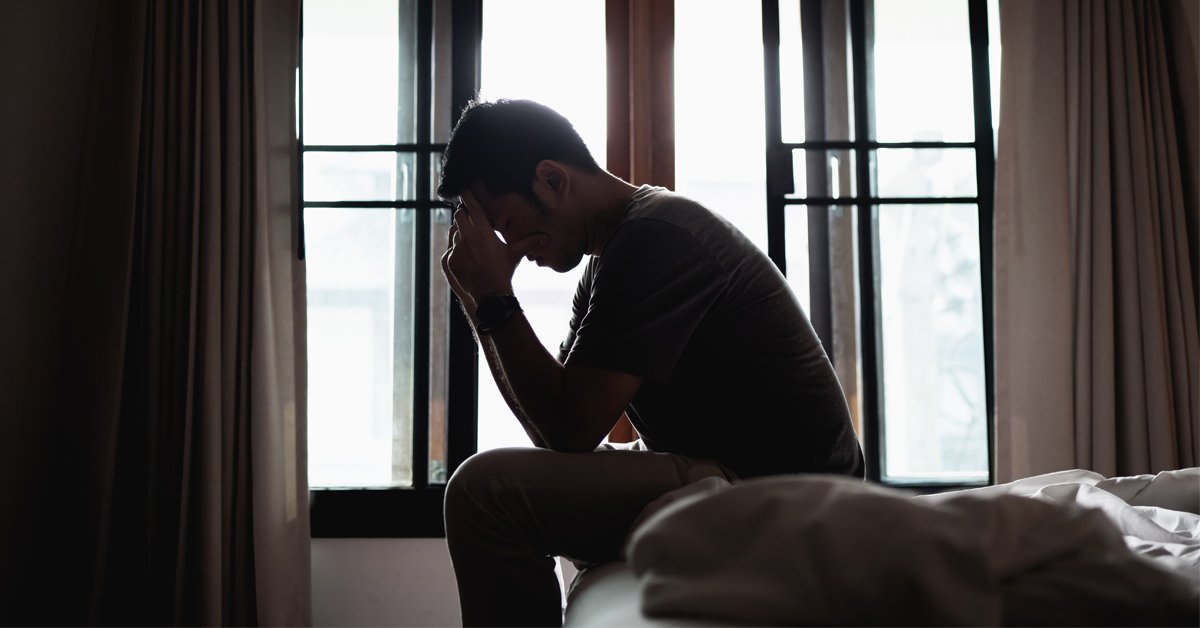
Testosterone is one of the most important hormones in the male body, playing a key role in muscle strength, energy levels, mood stability, sexual health, bone density, and overall well-being. Although it is often associated with masculinity, testosterone is essential for both physical and mental health. As men age, testosterone levels naturally decline, but in some cases, the drop becomes abnormal and leads to noticeable symptoms known as low testosterone or “low T.”
Low testosterone can affect men of all ages due to factors such as stress, poor lifestyle, obesity, chronic illness, lack of sleep, or hormonal disorders. The condition is often gradual, which means early signs may go unnoticed or be mistaken for normal aging. However, identifying symptoms early can help prevent long-term health issues and improve quality of life. In this article, we explore the 10 early signs of low testosterone so you can recognize the warning signals and take timely action.
- Low Energy and Constant Fatigue
One of the most common signs of low testosterone is persistent tiredness. Even after proper rest, you may feel drained, unmotivated, or physically weak. Testosterone helps regulate energy production, so a deficiency can make daily activities feel exhausting.
- Reduced Sex Drive
A noticeable drop in libido is a key indicator of low testosterone. Men may lose interest in sexual activity or feel less responsive to sexual stimulation. This change often develops slowly and can affect relationships and self-confidence.
- Difficulty Achieving or Maintaining Erections
Testosterone plays a role in sexual function, including erection quality. Low levels may lead to weaker erections, difficulty maintaining them, or inconsistent performance. While not always the only cause, it is an important contributing factor.
- Loss of Muscle Mass
Testosterone supports muscle growth and strength. When levels drop, you may notice reduced muscle size even without changes in exercise. Workouts may feel less effective, and recovery may take longer than usual.
- Increased Body Fat
Low testosterone can cause an increase in body fat, especially around the abdomen. Hormonal imbalance affects metabolism, making it easier to gain weight and harder to lose it despite a healthy diet or exercise routine.
- Mood Changes and Irritability
Hormones strongly influence emotional health. Low testosterone may lead to mood swings, irritability, anxiety, or even mild depression. You may feel emotionally unstable or less motivated than before.
- Reduced Bone Strength
Testosterone helps maintain bone density. Low levels can weaken bones over time, increasing the risk of fractures or osteoporosis. This sign is often silent but becomes serious if not addressed.
- Poor Concentration and Memory Issues
Men with low testosterone often report “brain fog,” difficulty focusing, or forgetfulness. Hormonal imbalance can affect cognitive function, making it harder to stay mentally sharp and productive.
- Hair Loss or Thinning
Testosterone influences hair growth patterns. While some hair loss is genetic, a sudden increase in hair thinning on the body or face may be linked to hormonal decline.
- Reduced Motivation and Confidence
A general loss of drive, ambition, or confidence can also signal low testosterone. Men may feel less competitive, less productive, or uninterested in goals they once pursued actively.
Book Online Appointment with Best Urologist via InstaCare
If you are experiencing several of these symptoms, it is important not to ignore them. Low testosterone is a treatable condition, especially when diagnosed early. You can book an online appointment with the best urologists through InstaCare, a reliable healthcare platform that connects you with experienced specialists. A proper medical evaluation can help determine your hormone levels and guide you toward the right treatment options, including lifestyle changes, medication, or hormone therapy if needed.
Conclusion
Low testosterone can affect many areas of life, including energy, mood, sexual health, and physical strength. Since the symptoms often develop slowly, they are frequently overlooked or attributed to aging. However, early recognition and treatment can significantly improve well-being and prevent long-term complications. Maintaining a healthy lifestyle and seeking medical advice when symptoms appear are the best steps toward restoring hormonal balance and overall vitality.
FAQs
- What causes low testosterone levels?
Low testosterone can be caused by aging, obesity, stress, poor sleep, chronic illness, hormonal disorders, or certain medications. Lifestyle factors also play a significant role.
- How is low testosterone diagnosed?
Doctors diagnose low testosterone through blood tests that measure hormone levels. The test is usually done in the morning when testosterone levels are highest.
- Can low testosterone be treated naturally?
Yes, mild cases can improve with lifestyle changes such as regular exercise, weight management, healthy diet, stress reduction, and proper sleep.
- Is low testosterone only a problem for older men?
No, although it is more common with age, younger men can also experience low testosterone due to lifestyle issues, medical conditions, or hormonal imbalances.
- When should I see a doctor?
You should consult a doctor if you experience multiple symptoms such as fatigue, low libido, mood changes, or loss of muscle mass for an extended period.