

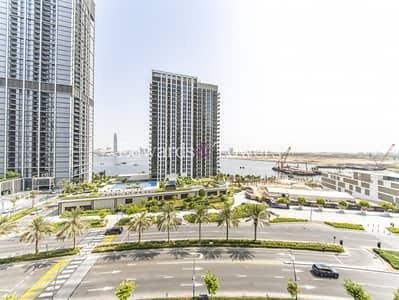

Quick answer: Finding a reliable apartment in Dubai before you arrive is possible if you use verified property portals, work with licensed real estate agents, and request virtual tours. Start your search 6–8 weeks early, confirm the landlord’s credentials, and avoid sending any money before signing a verified tenancy contract.
Moving to a new city is exciting. Moving to Dubai — one of the fastest-growing cities in the world — even more so. But finding the right apartment from thousands of miles away? That part can feel overwhelming.
The good news: Dubai’s rental market is well-regulated, and there are clear steps you can follow to find a legitimate apartment before you even board your flight. This guide walks you through exactly how to do it — from the first Google search to signing your lease.
Whether you are relocating for a work visa in Dubai, planning to study abroad, or simply chasing a fresh start, the process becomes a lot less stressful once you know the right tools and red flags to watch for.
How Does the Dubai Rental Market Work for Newcomers?
Dubai’s real estate market is regulated by the Real Estate Regulatory Authority (RERA), which operates under the Dubai Land Department (DLD). This means landlords and real estate agents must be licensed, tenancy contracts must be registered through a system called Ejari, and rental disputes can be formally resolved.
For international renters, this is reassuring. There is a formal structure in place. Still, scams and fraudulent listings exist — especially on informal platforms and social media groups. Knowing how the market works gives you a head start.
A few key facts about renting in Dubai:
- Rent is typically paid upfront in one to four post-dated cheques, covering 3 to 12 months at a time.
- Annual rent is the standard — monthly rolling contracts are rare and usually more expensive.
- Ejari registration is legally required and protects both landlords and tenants.
- Security deposits are usually 5% of annual rent for unfurnished units and 10% for furnished ones.
What Are the Best Platforms to Search for Apartments in Dubai?
Start with verified, RERA-regulated property portals. These are the most reliable sources for legitimate listings:
- Bayut.com — One of the most popular portals in the UAE, with detailed filters for location, price, and property type.
- PropertyFinder.ae — Another trusted platform with verified agent profiles and market trend data.
- Dubizzle.com — Good for a wide range of listings, including private landlords, though it requires more due diligence.
Avoid relying solely on Facebook groups or WhatsApp listings. These are common places for fraudulent “too good to be true” deals targeting newcomers who have not yet arrived in the city.
Helpful tip: On Bayut and PropertyFinder, look for the “TruCheck” or “Verified” badge on listings. These indicate the property and listing have been confirmed as genuine.
How to Verify a Landlord or Agent Before Signing Anything
This step is non-negotiable. Before sending any documents or money, verify who you are dealing with.
For agents: Check their license on the Dubai REST app or the DLD website. Every legitimate agent has a RERA-issued Broker Registration Number (BRN). Ask for it — a trustworthy agent will share it without hesitation.
For private landlords: Request a copy of the Title Deed. The name on the deed must match the name of the person you are communicating with. You can verify property ownership for free through the Dubai Land Department’s official app.
Red flags to watch for:
- Prices significantly below market rate for the area
- Agent asking for a deposit before any contract is signed
- Refusal to provide a BRN or Title Deed
- Pressure to pay quickly “because other people are interested”
Why a Virtual Tour Matters When Renting from Abroad
Seeing is believing — even on a screen. Always request a live video walkthrough of the apartment, not just pre-recorded photos or renders. A live tour allows you to ask real-time questions: Is the kitchen functional? What does the view look like? Is the building well-maintained?
Most licensed agents in Dubai are comfortable conducting virtual tours via WhatsApp Video, Zoom, or FaceTime. If an agent refuses or makes excuses, treat that as a warning sign.
Helpful tip: During the virtual tour, ask the agent to show you the building entrance, lobby, parking area, and any shared amenities. These details matter for daily living and are easy to check on camera.
How to Understand Ejari and Why You Need It
Ejari is the official tenancy registration system in Dubai. Every rental contract must be registered through Ejari to be legally recognized. Without it, you cannot apply for utilities, set up internet services, or renew a UAE residence visa linked to your address.
When your lease is signed, the Ejari certificate should be issued within a few days. Your agent or landlord typically handles the registration process, but confirm this before signing.
If you are relocating on a work visa in Dubai, your Ejari registration is particularly important, as it is often required when updating your visa address or applying for government services.
What Neighborhoods in Dubai Suit Different Budgets and Lifestyles?
Dubai has distinct neighborhoods, each with its own character and price range. Here is a quick overview:
- Dubai Marina and JBR — Waterfront living, popular with expats, higher rental prices
- Jumeirah Village Circle (JVC) — Affordable, well-connected, popular among young professionals
- Downtown Dubai — Central, prestigious, premium pricing
- Deira and Bur Dubai — Budget-friendly, culturally vibrant, closer to older parts of the city
- Al Barsha — Mid-range pricing, close to Mall of the Emirates and schools
Helpful tip: If you plan to study in European Cyprus before moving to Dubai, or if you are transitioning between countries, JVC and Deira offer lower initial costs — a smart choice while you are still settling financially.
Final Words
Finding a reliable apartment in Dubai before you arrive is not just possible — it is practical, as long as you follow the right steps. Use verified property portals, insist on licensed agents, request live video tours, and never send money before a proper contract is signed and Ejari is confirmed.
Start your search 6 to 8 weeks before your move date. The rental market in Dubai moves quickly, but rushing leads to costly mistakes. Take your time, ask questions, and trust the process.
Dubai has welcomed millions of expats from around the world. The infrastructure is there to support you. Use it wisely, and your new home will be waiting when you land.
Frequently Asked Questions
Can I rent an apartment in Dubai without being in the country?
Yes. Many landlords and agents regularly work with overseas tenants. You can sign a tenancy contract remotely, pay via international bank transfer, and collect your keys upon arrival — as long as you have verified the agent, reviewed the contract carefully, and confirmed Ejari registration.
How much does it cost to rent an apartment in Dubai?
Prices vary by location. A studio apartment in Jumeirah Village Circle starts at around AED 35,000 per year, while a one-bedroom in Dubai Marina can range from AED 70,000 to AED 120,000 annually. Always budget for a security deposit and agency fees on top of rent.
What documents do I need to rent an apartment in Dubai?
You typically need a copy of your passport, UAE residence visa (or entry permit), and Emirates ID. If you are in the process of obtaining your work visa in Dubai, your agent may accept an employment offer letter in the interim.
Is it safe to pay a deposit before arriving in Dubai?
Only pay a deposit after you have verified the agent’s BRN, reviewed a formal tenancy agreement, and confirmed the landlord’s ownership via the DLD. Never pay via informal channels like Western Union or cash transfers without documentation.
How long does it take to find and secure an apartment in Dubai?
Most tenants find and secure an apartment within two to four weeks if they search on verified portals and respond promptly. Starting your search 6 to 8 weeks before your move date is strongly recommended to allow time for paperwork and Ejari registration.
What is Ejari and why is it required?
Ejari is Dubai’s official tenancy contract registration system, managed by the Dubai Land Department. Registration is legally required for all rental agreements. Without an Ejari certificate, tenants cannot access utilities, government services, or visa-related address updates.