

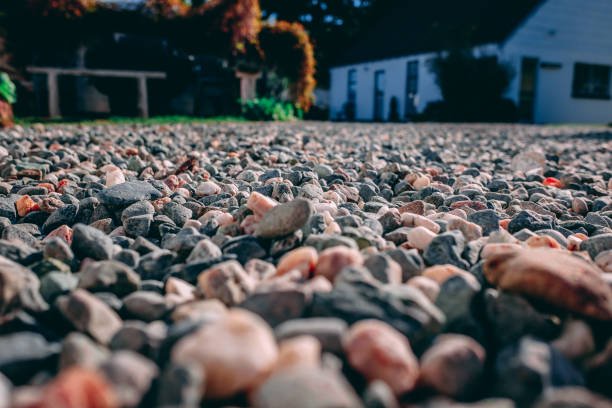

Choosing between resin and gravel can feel like a simple job until you start looking at how each surface behaves over time. Both options have their own place and neither one suits every home. Gravel gives a loose natural look and often costs less at the start. Resin creates a fixed surface with stone still visible through the finish. Resin driveways carmarthen can work well for homeowners who want a driveway that feels tidy and solid without losing the character that comes from natural aggregate. The better choice depends on how you use your driveway rather than what looks good in a picture. Think about your cars. Think about rain. Think about how much time you want to spend moving stones back into place. Then consider the style of your house and the amount you can spend. Once you look at those details together the decision becomes much less muddled.
What should you look at before choosing a driveway?
Start with the way your household uses the space. A driveway used by one small car has different needs from one that holds two cars every day. Do you turn the steering wheel in the same spot each morning? Do delivery vans visit often? Do children run across the area? Does rain collect near the gate? These details can change which surface makes more sense. Gravel can cope with normal vehicle use but the stones move as tyres pass over them. Resin holds the aggregate in place and gives you a more settled surface. You should also look at the existing ground. A material may sound perfect but poor drainage or a weak base can create problems regardless of the surface you choose. A quick look at the driveway will not tell you everything. If you are unsure ask an experienced installer to inspect it.
Why do people choose gravel for their homes?
Gravel remains popular because it has a simple charm. It does not try too hard. The loose stone can give a property a country feel and it works well around gardens with plenty of planting. You can also choose from different stone colours and sizes. Installation may cost less than resin in some cases which makes gravel appealing when the budget feels tight. Another benefit comes when you want to change the layout later. You can move or add gravel without removing a fixed surface. There is a downside though. Stones shift. Cars push them around. Rain can wash them towards the edges. You may find gravel on the pavement or in nearby flower beds. Raking becomes part of the upkeep. If you enjoy that natural look and do not mind a bit of maintenance gravel may suit you perfectly.
Why do some homeowners prefer resin?
Resin offers a firmer and more settled surface. The aggregate sits within the resin instead of remaining loose. That means tyres do not push the stones around in the same way. You can park your car without creating obvious tracks across the driveway. Walking also feels easier because the surface does not roll beneath your shoes. Resin gives you plenty of scope when it comes to appearance. You can choose different aggregate blends and find something that works with your brickwork walls garden and front door. The result can look modern without becoming too polished. A good resin driveway also gives the front of a house a neat edge. For busy homeowners the lower level of daily fuss can matter more than the initial appearance.
Which option needs more maintenance?
Gravel usually asks for more hands-on care. Stones can move away from areas that receive regular traffic. Heavy rain can create little channels or push gravel into corners. You may need to rake the driveway from time to time. Thin sections can also need fresh stone. Weeds can appear where dirt settles between the gravel. None of this makes gravel a poor choice. It simply comes with the territory. Resin has a different maintenance routine. You can sweep leaves and dirt from the surface without disturbing the aggregate. Moss or algae may still appear in damp shaded spots so cleaning remains useful. Oil spills also need attention. The main difference comes from the lack of loose stones. You do not spend your weekend spreading gravel back across the driveway after every spell of rough weather.
Which surface works better for cars?
Both surfaces can handle normal cars when you install them correctly. Gravel gives the tyres a loose surface which can move under pressure. When you turn the steering wheel while parking you may push stones into little piles. Resin creates a more stable area for tyres. That can make parking easier especially on a driveway where space is limited. It also means you are less likely to carry stones into the garage. A good base remains important. Resin cannot rescue a weak foundation. If the ground underneath moves the finished surface may suffer. Gravel can also develop ruts when the base lacks support. So the question is not only resin or gravel. You also need to ask whether the driveway has a sound foundation for the traffic it receives.
Does drainage change the decision?
It should. Water causes plenty of driveway problems when the site has nowhere suitable for it to go. Gravel has spaces between the stones which allow water to move through the surface. That does not guarantee good drainage because the soil below may still hold water. Dirt can also fill those gaps over time. A resin bound system can provide a permeable surface when the design and ground conditions allow it. Rain can move through the surface and reach the ground below. The contractor needs to check the site first. If your driveway already has puddles or muddy areas tell them about it. A new surface should not simply cover an existing water problem. Good drainage planning can make a bigger difference than the choice of colour or aggregate.
Which one gives a cleaner finish?
That depends on your taste but resin tends to give a more controlled appearance. Gravel looks attractive when the stones sit evenly across the area. After months of cars and rain the picture can change. Stones spread towards gates and edges. Some sections become bare while others build up. Resin keeps the aggregate within one surface. The driveway therefore keeps its shape with less effort. You can choose a subtle colour that blends with the property or use a stronger mix for more contrast. Modern houses often suit a clean resin finish but traditional homes can use it too. The trick lies in choosing the right aggregate. A natural blend can sit comfortably beside brick walls and older garden features.
Is resin easier for children and older people to walk on?
For many people yes. Loose gravel can move beneath your feet and make walking awkward. Someone carrying shopping may find that annoying. An older person may prefer a firm surface. Pushchairs can also struggle across deep gravel. Resin gives you a more even route between the house and the car. You can wheel a bin across the driveway without fighting against stones. Children still need supervision around vehicles of course. No driveway removes the normal risks that come with cars. Resin simply makes the ground underfoot more stable. That everyday convenience may not seem like a major point when you first compare samples. After living with the driveway for a few years it can become one of the features you appreciate most.
What about the cost of resin compared with gravel?
Gravel often wins when you look only at the initial price. Resin usually costs more because the installation involves proper preparation and specialist materials. That higher starting figure does not automatically make resin poor value. You should think about future upkeep as well. Gravel may need topping up and raking. Stones can disappear into the ground or spread beyond the driveway. Resin does not require that sort of work. The best way to compare prices involves getting clear quotes for both options. Check what the quote includes. Ground preparation can make a major difference. Drainage work may add to the cost. Edging can change the final figure too. A very cheap quote may look attractive until you realise that important preparation work sits outside the price.
Can resin last longer than gravel?
A properly installed resin driveway can last for many years but its lifespan depends on the groundwork materials drainage and level of use. Gravel can also serve a home for a long time but you may need to add fresh material during that period. The surface changes as stones move and settle. Resin stays more consistent because the aggregate remains bound. That does not mean resin never develops problems. Poor installation can lead to cracks loose areas or other faults. Heavy loads beyond the intended use can also cause trouble. The installer should understand what the driveway needs to handle before work starts. A strong foundation remains one of the best ways to protect your investment. Do not let the attractive top layer distract you from what sits beneath it.
Does the style of the house matter?
It does. A driveway should not look like it belongs to another property. Gravel can work beautifully with cottages homes surrounded by planting and properties with a relaxed rural feel. Resin can suit those homes too when you choose a natural aggregate blend. It also fits modern houses with clean walls and simple landscaping. Think about the colours already around your property. Look at the brickwork. Look at the roof. Notice the garden walls and paving. Then choose a driveway that connects those features rather than fighting them. Resin offers more control over the finished colour because you can combine different aggregates. Gravel gives you a more random and relaxed look. Neither style wins every time. The house should guide the choice.
What should you know about installation?
The installation process can make or break the final result. Resin needs a suitable base. The contractor should check the ground and repair weak areas before laying the surface. Drainage also needs proper thought. Simply placing resin over an unsuitable foundation will not create a durable driveway. Gravel may look simpler because you can spread the stone over a prepared area but the same rule applies. A weak base can create ruts and soft spots. Ask contractors how they prepare the ground rather than focusing only on their material price. Look at previous projects if possible. Freshly finished driveways tell you little about how the work holds up after regular use. A few older examples can give you a better idea.
Which driveway suits a busy family home?
A busy family often needs things to work without constant attention. Cars come and go. Children play outside. Bins move across the driveway. Someone always seems to carry muddy shoes towards the front door. Resin can make some of those daily tasks easier because the surface stays fixed. You do not have to rake stones after every period of heavy rain. Gravel can still work for a family but you need to accept more movement and upkeep. If you enjoy the look of gravel and do not mind those jobs then there is no reason to rule it out. If you would rather spend less time managing the driveway resin may have the edge. The best choice should fit your routine instead of creating another chore.
Why does the size of the driveway matter?
A small driveway and a large driveway can bring different concerns. With a small area you may focus on parking space turning room and appearance. With a larger driveway the cost of materials can become more noticeable. Gravel may offer a cheaper way to cover a wide area but the maintenance also grows with the size. Resin can give a large driveway a consistent finish but the installation needs careful planning. Edges become more important. Drainage becomes more important too. If several cars use the area you need to consider where they turn. Repeated turning puts more pressure on certain sections. Tell the installer about your normal driving pattern. A good design should work around that instead of pretending every driveway receives the same use.
How can you make the final decision?
Do not rush into the choice because one material looks good in a brochure. Walk around your current driveway and notice the problems you deal with. Are stones constantly ending up on the pavement? Do you rake the surface every month? Does rain create muddy areas? Do cars leave deep tracks? If the answer is yes to several of these points resin may solve some of those annoyances. If your gravel driveway stays neat and you enjoy the natural look then replacing it may not make sense. Look at your budget too. Get several quotes and ask what each one includes. A good contractor should explain the base drainage installation and expected maintenance. Once you compare those details you can make a choice based on real needs rather than guesswork.
Why might resin be the better option for your home?
For homeowners who want a tidy stable surface resin can offer a useful balance. Resin driveways carmarthen can give you the natural appearance of stone while keeping the aggregate fixed. Cars get a firmer surface. Walking becomes easier. The driveway needs less day-to-day attention than loose gravel. You also have more control over the colour and overall appearance. Gravel still has plenty going for it. It can cost less and gives a relaxed look that some properties suit perfectly. The right answer depends on what you value most. If low maintenance a settled surface and a clean finish matter to you then resin may be worth the extra starting cost. If budget and a loose natural style sit higher on your list gravel may still win. Take a proper look at your property and how you live. That usually tells you more than any sales pitch.
What are the most common questions about resin and gravel driveways?
Is resin always better than gravel?
No. Each material has advantages. Resin suits people who want a fixed surface and less maintenance. Gravel can suit homeowners who prefer a natural loose finish and a lower starting cost.
Which driveway is easier to maintain?
Resin generally needs less hands-on work because the stones stay fixed. Gravel may need raking and topping up as the stones move or become thin in busy areas.
Can resin handle several vehicles?
Yes. A properly prepared resin driveway can handle normal domestic traffic. Tell the installer how many vehicles you have and whether larger vehicles will use the driveway.
Does resin cost more than gravel?
The initial installation often costs more. You should compare the full cost rather than only the starting price because gravel may need extra stone and more regular upkeep.
How do I know which driveway suits my property?
Think about your budget your vehicles drainage maintenance needs and the style of your home. Then speak with a reputable installer and ask for a site assessment. A proper look at the ground can help you avoid a choice that does not suit your property.