

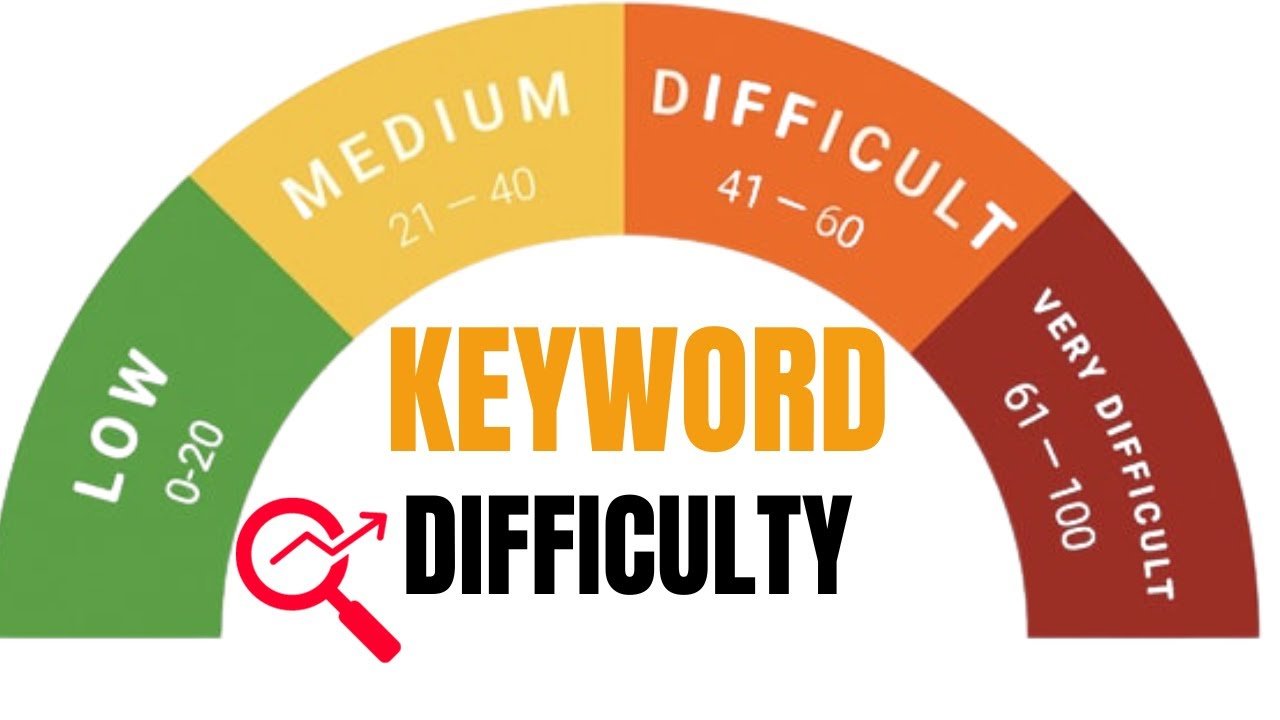

Keyword research plays an important role in SEO. It helps marketers find search terms that can bring qualified visitors to a website. One of the most useful metrics during this process is keyword difficulty, which estimates how challenging it may be to rank for a specific search query.
But how accurate are keyword difficulty scores? Can marketers rely on them when choosing keywords?
The short answer is no SEO difficulty score is 100% accurate. A keyword difficulty checker can provide valuable guidance, but it should not become the only factor in a keyword strategy. Search results depend on many variables, including backlinks, content quality, search intent, domain authority, topical relevance, and competition.
What Is Keyword Difficulty?
Keyword difficulty, often called KD, is an SEO metric that estimates how difficult it may be for a page to rank organically for a particular keyword.
Different SEO platforms calculate this score in different ways. Some focus heavily on backlinks pointing to ranking pages, while others consider domain strength, content signals, or several ranking factors.
For example, a keyword with a high difficulty score may have several authoritative websites ranking on the first page. A keyword with a lower score may have weaker competitors and provide a more realistic opportunity for a newer website.
A keyword difficulty checker tool can make this process faster by giving marketers an initial estimate before they invest time in creating content.
How Accurate Are Keyword Difficulty Scores?
Keyword difficulty scores are useful, but they are estimates rather than guarantees.
Two tools can assign different difficulty scores to the same keyword because they use different datasets and calculation methods. One platform may rate a keyword as moderately difficult, while another may classify it as highly competitive.
This difference does not necessarily mean that one tool is wrong. It shows that keyword difficulty represents an interpretation of the search results rather than a fixed ranking measurement.
The best keyword difficulty checker tool should therefore be treated as a research aid rather than a final decision-maker.
What Factors Affect Keyword Difficulty?
Several factors can influence how difficult it is to rank for a keyword.
1. Backlink Strength
Backlinks remain an important competitive signal. If the pages ranking for a keyword have many relevant, authoritative backlinks, competing with them can require more effort.
However, backlink quantity alone does not tell the complete story. The relevance and quality of those links also matter.
2. Domain Authority and Website Strength
Established websites often have stronger authority, larger content libraries, and more backlinks. A new website may need stronger content and a focused topical strategy to compete with them.
A difficulty score may capture some of these signals, but it cannot perfectly measure how well a specific website can compete.
3. Content Quality
A keyword may have a high difficulty score, but the current search results may still contain outdated, incomplete, or poorly structured content.
In that situation, a well-researched page that directly satisfies the searcher’s needs could have an opportunity to rank.
This is why marketers should review the actual search results instead of relying only on a numerical score.
4. Search Intent
Search intent describes what users expect to find when they search for a phrase.
A keyword may appear easy to target, but if the content does not match the intent behind the query, ranking can remain difficult.
For example, someone searching for “best running shoes” may want product comparisons, while someone searching for “how to clean running shoes” wants instructional information. The content strategy should match the purpose behind the search.
5. SERP Features
Search engine results pages can include featured snippets, shopping results, videos, local listings, People Also Ask sections, and other features.
These elements can affect organic visibility even when a page ranks well.
A keyword difficulty score may not fully communicate how much traffic a traditional organic ranking could generate.
Can a Free Keyword Difficulty Checker Be Accurate?
A free keyword difficulty checker can provide useful data, particularly for beginners, small businesses, and marketers working with limited budgets.
However, free tools may offer fewer features, smaller keyword databases, or less detailed competitive information than paid platforms.
That does not make every free tool unreliable. The important point is to check how the tool calculates its score and compare the results with the actual search engine results.
When using a free keyword difficulty checker, marketers should also look at search volume, competition, keyword intent, current rankings, and the quality of competing pages.
How to Choose the Best Keyword Difficulty Checker Tool
The best keyword difficulty checker tool depends on the needs of the SEO campaign.
A useful platform should provide more than a single difficulty number. Look for tools that offer:
- Keyword difficulty scores
- Search volume estimates
- SERP analysis
- Competitor information
- Backlink data
- Related keyword suggestions
- Long-tail keyword ideas
- Historical keyword data
- Country and language targeting
- Keyword trend information
A tool that combines these features can give marketers a more complete view of ranking opportunities.
Why You Should Compare Multiple SEO Metrics
Keyword difficulty should never work alone.
Suppose one keyword has a KD score of 20 and another has a score of 35. It may seem obvious that the first keyword offers a better opportunity.
However, the second keyword could have significantly higher search demand and stronger commercial intent. It might also have weaker content in the current search results.
This is why marketers should evaluate several metrics together.
Important metrics include:
- Search volume
- Keyword difficulty
- Search intent
- Cost per click
- Traffic potential
- SERP competition
- Content quality
- Backlink strength
This approach provides a more realistic picture of the opportunity.
How to Validate a Keyword Difficulty Score
After using a top keyword difficulty checker, review the first page of search results manually.
Check the websites currently ranking for the keyword. Look at their content depth, domain strength, backlinks, page structure, freshness, and relevance.
Ask a few practical questions:
- Does the existing content fully answer the query?
- Are the ranking pages from highly authoritative websites?
- Do the pages have strong backlink profiles?
- Is the content outdated?
- Can your website provide a better answer?
- Does the keyword match your audience and business goals?
These checks can reveal opportunities that a difficulty score alone may miss.
Are Low-Difficulty Keywords Always Better?
Not necessarily.
Low-difficulty keywords can be excellent targets, especially for newer websites. However, a low score does not automatically mean that the keyword will generate valuable traffic.
Some low-competition phrases have very little search demand. Others may attract visitors who have no interest in the products or services offered by a business.
A strong keyword strategy balances ranking potential with relevance, traffic potential, and business value.
Keyword Difficulty for New Websites
New websites often benefit from targeting specific, less competitive search terms.
Long-tail keywords can provide a practical starting point because they tend to be more specific than broad terms. For example, instead of targeting “SEO tools,” a website might target “keyword difficulty checker for small business SEO.”
A top keyword difficulty checker can help identify these narrower opportunities. Marketers can then build useful content around closely related topics and gradually establish topical authority.
The Bottom Line
Keyword difficulty checker tools provide valuable estimates, but no tool can predict rankings with complete accuracy.
The most effective approach combines keyword difficulty data with SERP analysis, search intent, content quality, backlinks, search volume, and website strength.
Whether marketers use a free keyword difficulty checker available to them, they should treat the score as a starting point rather than a guaranteed ranking forecast.
The strongest SEO decisions come from combining tool-based data with practical analysis of the search results and the needs of the target audience.