

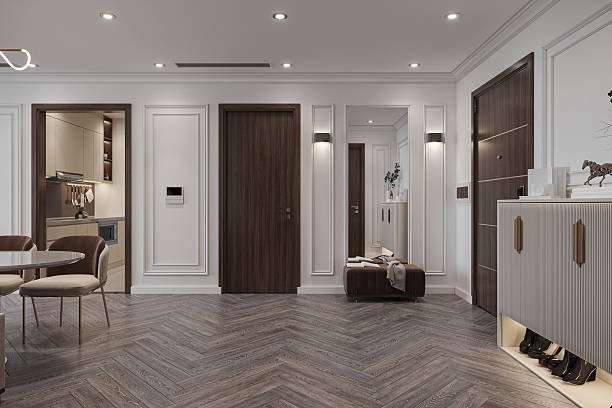

Choosing a door can feel simple until you start looking at all the options. Then things get a little tricky. You have different colours. Different materials. Different panel styles. Different handles. You also have to think about the flooring. Walls. Furniture and lighting. A door that looks lovely in a showroom may not suit your home at all. The secret lies in finding a design that feels connected to the space. Luxury internal doors can work beautifully in many homes but the right choice depends on what already exists around them. A little thought at the start can help you create rooms that feel natural rather than forced.
Why should internal doors match the wider interior?
A door does not sit on its own. It becomes part of the wall and the room around it. If the colour clashes with the flooring or furniture then the space may feel unsettled. When the colours and textures work together the room feels calmer. This does not mean everything needs to match perfectly. In fact a home can look dull when every surface has the same shade. What you want is a connection. Maybe the door shares a warm tone with the floor. Perhaps the handle matches the light fittings. Small links like these can make a room feel more considered.
How do you choose a door colour that suits your home?
Start by looking at the colours that already dominate the room. Check the walls. Flooring. Furniture and curtains. If the room has pale shades then a white or soft grey door can keep the space light. If you have darker furniture then a deeper door colour can create a pleasing contrast. Natural wood works well when the room has earthy tones. You should also consider natural light. A colour can look completely different in the morning compared with the evening. Do not trust a small online picture alone. If possible get a sample and hold it against the wall. That simple step can save you from a colour you later dislike.
Should the door match the flooring?
Not exactly. Matching the door and floor perfectly can sometimes make the room look too uniform. Similar tones often work better. A warm oak floor can sit nicely beside a slightly darker timber door. A pale floor can pair with a white painted door or a soft natural finish. Contrast can work too. A dark door against a light floor can give the room more depth. The key is to look at the undertones. Some woods have warm golden shades while others lean towards grey or brown. If those tones fight each other then the room may feel awkward. Keep the overall temperature of the colours in mind.
What type of door suits a modern interior?
Modern homes often favour clean lines and simple surfaces. A flush door can fit nicely into this style because it keeps the wall looking neat. Minimal panel designs can also work when you want a little more detail without making the room busy. Glass doors can suit modern interiors too. They allow light to move between spaces and create a more open feeling. Dark handles can add a sharp contrast against a pale door. You do not need to follow every current trend. A simple design with good proportions will usually remain useful even when tastes change.
How can you match doors with traditional interiors?
Traditional homes offer more room for detail. Panelled doors can work well with classic furniture and older architectural features. Natural timber can bring warmth into a room with wooden floors and traditional cabinets. You could also choose painted doors in cream. Soft grey or another muted shade. The hardware matters here as well. Brass handles can add a warm classic note while dark metal can create a more rustic feel. Look at the existing details in the home before choosing. Skirting boards. Stair rails. Window frames and old furniture can all give you clues about what will fit.
Can you mix different door styles in one home?
Yes. You do not need to use one design everywhere. Different rooms have different needs. A study may benefit from glass because you want more light. A bedroom may need a solid door for privacy. A utility room may need something simple and durable. The trick is to keep some element consistent. Use the same handle finish. Similar colours or related materials can do the job. That way the doors have their own purpose without making the home feel disconnected. A little variation can actually give the interior more personality.
How important is the door finish?
The finish can change the whole mood of a room. A natural timber surface brings warmth and visible texture. Painted finishes look cleaner and give you more control over colour. A matte surface feels soft and understated. A subtle sheen can look a little sharper. Think about how much use the door will receive. A busy hallway may need a finish that handles fingerprints and everyday marks without becoming a constant cleaning job. A bedroom door may give you more freedom. The finish should look good but it should also suit real life.
What role does hardware play in the overall design?
Handles are small but you see them every time you open a door. You also feel them. That makes the choice more important than it may seem. Black handles can give a modern room some edge. Brass can bring warmth and a slightly classic feel. Chrome can keep the design bright and simple. Brushed metal works well when you want something subtle. Try to repeat the same hardware finish in other parts of the room. Cabinet handles. Taps. Light fittings and other metal details can all share a similar tone. This creates a quiet connection that people often notice without knowing why.
How can you use doors to improve a small space?
Small rooms need careful choices. Heavy designs can sometimes make the space feel crowded. A simple door with a pale finish can blend into the wall and create a smoother appearance. Glass can help when the room lacks natural light. Sliding doors may also make sense where floor space is limited. You should not assume that dark colours are always a bad idea in small rooms. A deep door can create contrast and give the space a stronger identity. The rest of the room needs to support it though. Keep the surrounding colours fairly calm if the door is bold.
Can internal doors help create a better flow through the house?
They can. Think of your home as one connected space rather than a group of separate rooms. When you walk from the hallway into the lounge and then towards the kitchen you want the design to feel natural. Doors can help with that transition. A repeated wood tone can connect different areas. The same handle style can create consistency. Similar panel shapes can also help. You can still use different finishes where the room needs something special. The idea is to create a thread that runs through the house without making every room look identical.
What should you do when the walls are already bold?
If your walls have a strong colour or pattern then a simpler door may work best. You do not want the door fighting for attention. A soft neutral finish can give the eye a place to rest. White can work with many bold shades. Natural wood can soften a strong colour and add warmth. If the wall is already quite plain then you have more freedom to choose a door with panels or texture. Think about balance. If one surface makes a strong statement then another surface can stay quiet.
How do you choose doors for rooms with different lighting?
Lighting changes colour and mood. A dark hallway with little daylight may benefit from a pale door. A bright room can handle deeper colours without feeling gloomy. Glass can help move light between spaces where walls block it. In rooms with warm artificial lighting you may want to avoid finishes that turn too yellow. In cooler lighting some colours can look more blue or grey. This is another reason samples matter. Look at the door finish in the actual room rather than judging it under showroom lights.
Why does door size matter when matching an interior?
Proportion has a quiet influence on design. A tall door can make a room with a high ceiling feel even more spacious. A smaller room may suit a simple standard design. Large openings can sometimes benefit from wider doors or double door arrangements. The frame also needs to look right. A beautiful door can lose its impact when the surrounding frame looks awkward. Measure carefully and consider the architecture of the home. Older properties may have unusual openings. Modern builds often have cleaner proportions. Work with the structure rather than trying to hide it.
Are luxury internal doors suitable for every style of home?
Yes. The term does not mean one particular look. You can find refined doors that suit modern apartments. Traditional houses. Country homes and more unusual interiors. The important part is choosing the right material and design. A plain timber door can suit a relaxed home. A smooth painted door can work in a clean contemporary setting. Panelled designs can bring charm to a classic property. Glass can add a lighter feel where needed. The door should respond to the home rather than impose a style that does not belong there.
What mistakes should you avoid when matching doors?
One common mistake is focusing on the door alone. You need to consider the whole room. Another is choosing a colour from a tiny sample without checking it in natural light. Some people also forget about the handles and then end up with hardware that looks like an afterthought. Mixing too many wood tones can create another problem. If you already have several types of timber in the room then adding another may make things feel messy. Poor measurements and rushed installation can spoil the result too. Take your time and look at every part of the choice.
How can luxury internal doors give a home a finished look?
The best interiors have a sense of balance. Nothing feels random. The doors play a quiet part in that balance. They can repeat a colour. Add texture. Bring in natural warmth or create a useful contrast. They can also give each room its own identity while keeping the whole house connected. You do not need to make the doors the centre of attention. In many cases the strongest design is the one that feels like it has always belonged there.
When you choose luxury internal doors for your home think beyond appearance. Think about how the door will feel when you use it every day. Think about the light in the room. Think about privacy. Think about the floor and furniture. Think about the hardware. Once these pieces start to line up the choice becomes much easier. A good door should not only look beautiful on installation day. It should still make sense when your home changes around it.
FAQs
Should internal doors match the walls?
They do not have to. A matching colour can create a clean look while a contrasting shade can add character. The choice depends on the mood you want and the other colours in the room.
Should all doors in a house have the same finish?
Not always. Consistency can help but different rooms may need different materials or designs. Similar hardware or colours can keep the overall interior connected when you mix styles.
Can dark internal doors work in small rooms?
Yes. Dark doors can add depth and contrast. Keep the surrounding colours lighter if you want to prevent the room from feeling too heavy. Good lighting can help as well.
What hardware looks best with wooden doors?
That depends on the wood tone and the style of the room. Black gives a modern contrast. Brass adds warmth. Brushed metal offers a quieter appearance. Try to repeat the chosen finish elsewhere in the room.
How do I know if a door will suit my interior?
Look at the room as a whole. Compare the door sample with the wall. Flooring. Furniture and lighting. Check the material and colour in both daylight and artificial light. If the door feels connected to the existing features then you are on the right track.