

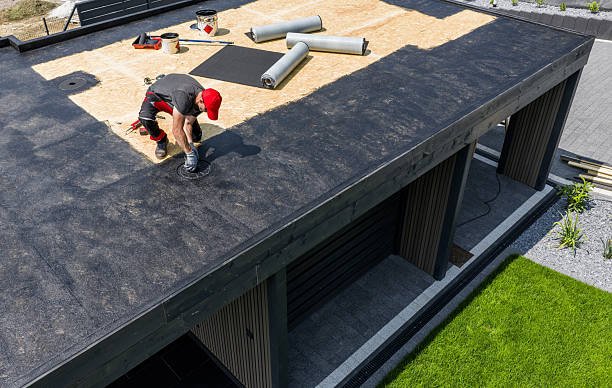

Flat roofs sit on countless homes and warehouses across the country. Builders like them because they cost less and free up space for a garden deck or a row of solar panels. Yet these roofs carry a long list of headaches that a sloped roof rarely deals with. Homeowners hunting for flat roofing London contractors usually land on the same question. Why does this roof keep breaking down. This piece walks through the biggest trouble spots in plain terms and gives you a reason to check your own roof twice a year instead of once a decade.
What Is a Flat Roofing System?
Call it flat but a true flat roof barely exists. Builders tilt the surface just a touch so rain can travel toward the drains. Felt covers many of these roofs. Rubber membrane covers others. Some crews still favor asphalt or PVC sheets. Each material brings a trade off between cost and lifespan. Know the base layer on your roof and you can predict which failure shows up first.
Why Do Flat Roofs Develop Leaks?
Nothing plagues a flat roof like a leak. Water lingers on a flat surface far longer than gravity allows on a pitched one. Tiny fractures open in the surface as seasons pass. Rain slips through those gaps and travels straight into ceilings and drywall. A pinhole leak rarely stays a pinhole. Ignore it and the damage spreads through the whole ceiling cavity within a season. Catch the stain early and a patch job solves everything.
What Causes Ponding Water on Flat Roofs?
Puddles that linger past forty eight hours earn the name ponding water. Clogged drains cause most of it. A warped or uneven deck causes the rest. Standing water piles extra weight onto joists that were never built for it. The membrane beneath also breaks down faster under constant moisture. Left alone for years this pressure can twist the frame and force a sag nobody wants to discover during a storm.
Why Does Flat Roofing Membrane Crack or Blister?
Sun and frost fight each other on the surface of every membrane. Heat stretches the material outward during the day. Cold pulls it back tight at night. Repeat that cycle for a decade and the rubber turns stiff and loses its stretch. Pockets of trapped air rise into blisters under the surface. Step on one at the wrong moment and it splits open. Water finds that split within days and the whole system starts failing from underneath.
How Does Poor Installation Affect Flat Roofs?
Trace half the roofing complaints back to a rushed installation crew. A seam left unsealed invites water straight in. A deck built without the right pitch turns into a pond after the first storm. Loose flashing near the edges leaves gaps wide enough for wind driven rain. None of these mistakes announce themselves on day one. They surface a year or two later when nobody remembers who did the original work. Pay for skill upfront and you avoid that mystery entirely.
Why Is Drainage a Common Problem?
Gutters and outlets clog faster than most people expect. Leaves twigs and grit pile up after every windy afternoon. Once blocked the water has no exit route and spreads across the roof deck instead. That standing water adds strain to the structure and speeds up every other issue on this list. A quarter hour with a ladder and a bag each month keeps this problem from ever starting.
How Does Weather Affect Flat Roofing London Homes?
Grey skies and steady drizzle define much of the year in this region. Wind gusts tear at loose seams and flashing. Sharp swings between warm afternoons and cold nights put stress on every membrane. Flat roofing London properties face this cycle constantly and pay the price without a strong waterproof layer. Skip that layer and expect repairs sooner rather than later.
What Maintenance Issues Are Common With Flat Roofs?
Most people forget their roof exists until a stain appears on the ceiling below. Hairline cracks spread unnoticed for months. Debris piles up while nobody climbs up to check. A small leak hides behind insulation until the damage becomes obvious and expensive. Walk the roof twice a year and half of these issues never reach that point.
Why Do Flat Roofs Age Faster Than Sloped Roofs?
Standing water shortens the life of any flat surface. Direct sun beats down on it for more hours than a pitched roof ever absorbs. UV rays break down the top layer at a quicker pace on flat ground. A sloped roof sheds both rain and sunlight with ease. That single difference explains why flat roofs demand closer attention and more frequent repair work across their lifespan.
How Can These Problems Be Prevented?
Catch a problem before it grows and you save real money. Book an inspection twice a year without fail. Clear the gutters and drains before autumn leaves pile up. Patch hairline cracks the moment you spot them. Choose materials built to last rather than the cheapest option on the shelf. Bring in a crew with real experience instead of the lowest bidder. Anyone comparing flat roofing London providers should ask directly what ongoing maintenance the price includes.
Final Thoughts
Flat roofs bring real advantages but they demand real attention too. Leaks ponding water blistered membranes and blocked drains top the list of complaints across the industry. Weather and neglect only speed up every one of these problems. A habit of regular checks and quick repairs stretches the life of almost any flat roof by years. Spot trouble early and your wallet and your ceiling both stay in better shape.
Frequently Asked Questions
How long does a flat roof usually last?
Most flat roofs hold up for fifteen to twenty five years and the final number depends heavily on the material and the upkeep behind it.
Can ponding water damage a flat roof permanently?
Left unchecked for long stretches ponding water weakens the deck cracks the membrane and can eventually cause a visible sag in the structure.
How often should a flat roof be inspected?
A twice yearly check plus a walk through after any severe storm catches almost every issue before it turns costly.
Is it expensive to repair a flat roof leak?
Price swings with the size and location of the damage but a leak caught within days always costs less than one caught within months.
What is the best material for a flat roof?
Rubber membrane and PVC sheets tend to outlast cheaper options thanks to their resistance against both sun damage and constant moisture.