

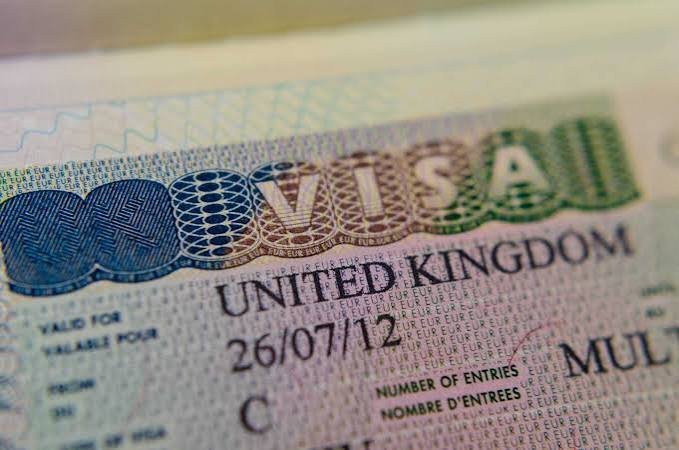

Quick answer: The UK work visa uses a points-based system where you must earn 70 points to qualify. You get mandatory points for a job offer from a licensed sponsor, a job at the required skill level, and English language skills. The rest come from your salary or other tradeable factors like a PhD or a shortage occupation role.
Ready to work in the UK? Great news! The points-based system is easier to understand than it looks. Once you know how the points add up, the whole process feels simple and clear.
This friendly guide breaks it all down for you. You will learn exactly how many points you need, where those points come from, and how to reach that magic number of 70. We will also answer some common questions, including a few surprising ones about other countries.
Let’s make your UK dream a reality!
How the UK Points-Based System Works
The UK uses a points-based immigration system for skilled workers. The idea is simple. You collect points for meeting certain requirements, and you need a total of 70 points to apply for a Skilled Worker visa.
The points fall into two groups: mandatory points and tradeable points. Mandatory points are the ones you absolutely must have. Tradeable points give you some flexibility, so you can mix and match to reach your total.
Here is how the 70 points break down:
Mandatory points (50 points total):
- Job offer from an approved sponsor: 20 points. Your employer must hold a valid sponsor licence from the UK Home Office.
- Job at the required skill level: 20 points. The role must meet the minimum skill threshold, which is RQF Level 3 (equal to A-levels) or above.
- English language skills: 10 points. You must prove you speak English to at least level B1.
Tradeable points (20 points needed):
- Salary: Points depend on how much you earn. Meeting the general salary threshold gives you 20 points.
- Shortage occupation: A job on the immigration salary list can earn you points even at a slightly lower salary.
- PhD in a relevant subject: 10 or 20 points, depending on the field. A PhD in a STEM subject is worth more.
- New entrant: If you are early in your career or under 26, you may qualify for points with a lower salary.
Add your mandatory 50 points to your tradeable 20 points, and you reach 70! That is your ticket to apply.
Can I Work in Russia on a Student Visa?
Students in Russia can work part-time while studying, usually up to 20 hours per week during term. To do this, you need a separate work permit in most cases, and your university should guide you through it. During official holidays, you can often work full-time.
Rules can change, so always check with your university and the nearest Russian consulate before you start any job. This keeps you on the right side of the law and lets you focus on your studies with peace of mind.
Remember, this is different from the UK system. The UK Skilled Worker visa is for full-time employment with a sponsor, not for study.
Comparing Options: Can You Work in Bulgaria Too?
Curious about other European options? Let’s talk about how to work in Bulgaria, a country with a growing job market and a lower cost of living.
To work in Bulgaria as a non-EU citizen, you generally need a work permit and a long-stay visa, known as a Type D visa. Your employer usually applies for the work permit on your behalf. Bulgaria also offers an EU Blue Card for highly skilled workers, which is a fantastic option for professionals.
Bulgaria uses a more traditional system rather than a points-based one like the UK. This means the focus is on your job offer, your qualifications, and your employer’s willingness to sponsor you.
So which is best for you? Choose the UK Skilled Worker visa if you want a clear, transparent points system and access to a large English-speaking job market. Choose Bulgaria if a lower cost of living and an easier path into the EU matter more to you. Both are wonderful options, so it comes down to your personal goals!
Helpful Tips to Reach 70 Points
Want to make your application smooth and stress-free? Here are some simple tips to boost your points and confidence!
- Find a licensed sponsor first. Always check that your employer appears on the UK Home Office register of licensed sponsors. No sponsor means no visa, so this step is essential.
- Prove your English early. Book your English language test ahead of time. You can also qualify if you are from a majority English-speaking country or hold a degree taught in English.
- Aim for a strong salary. A higher salary earns you the easiest tradeable points. Check the going rate for your specific job code before you accept an offer.
- Use your qualifications. If you have a PhD, especially in science or technology, use it! It can add valuable points to your total.
- Check the shortage list. If your job is on the immigration salary list, you may qualify even with a slightly lower salary.
- Keep your documents ready. Gather your passport, certificate of sponsorship, and financial proof early to avoid last-minute stress.
Follow these tips and you will feel ready and organized when application day arrives!
Frequently Asked Questions
How many points do I need for a UK Skilled Worker visa?
You need a total of 70 points. This includes 50 mandatory points for a job offer, the right skill level, and English skills, plus 20 tradeable points from your salary or other factors.
How long does a UK work visa take to process?
Once you apply, decisions usually take around three weeks if you are applying from outside the UK. Applying from inside the UK can take up to eight weeks. Priority services can speed this up for an extra fee.
How much does a UK Skilled Worker visa cost?
Costs include the application fee, which varies by visa length, plus the healthcare surcharge for each year of your stay. You also need to show you have enough savings to support yourself, unless your sponsor covers this.
Do I need a job offer before I apply?
Yes! A job offer from a licensed UK sponsor is a mandatory requirement. You cannot apply for a Skilled Worker visa without a valid certificate of sponsorship from your employer.
Can my family come with me on a UK work visa?
Absolutely! Your partner and children can usually join you as dependants. They will need to meet certain requirements and apply separately, but families are welcome under this visa route.
What happens if I do not reach 70 points?
If you fall short, look at your tradeable points. You might negotiate a higher salary, check if your job is on the shortage list, or use qualifications like a PhD to close the gap.
Final Words
The UK points-based system is your clear path to an exciting new chapter! Once you understand the 70-point goal, everything falls into place beautifully. Secure a job with a licensed sponsor, prove your English, and meet the salary threshold, and you are well on your way.
Take it one step at a time, gather your documents early, and use every point available to you. Whether you choose the UK, explore work in Bulgaria, or study abroad in Russia, you have wonderful options ahead. Your international career journey starts now, so go for it!