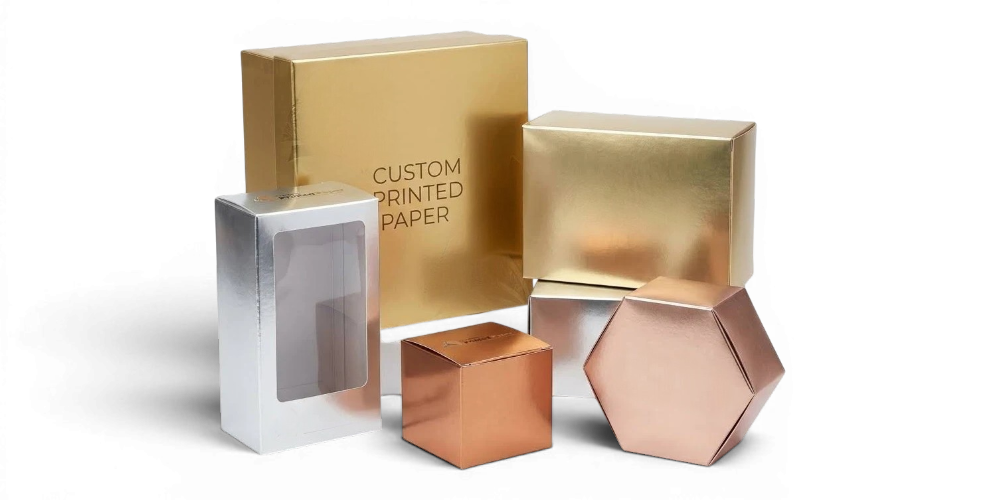

Packaging influences how customers see a product before they even open it. The colours, materials and surface finish all contribute to the first impression, particularly for cosmetics, fragrances, jewellery, gifts and other products where presentation matters. A metallic finish can catch the light, draw attention to key details and give a package a distinctive appearance.
The right packaging design balances visual appeal with practical requirements. The box should suit the product, display the brand clearly and provide suitable protection during handling and storage. Metallic effects can be used across a large surface or reserved for selected design elements, depending on the look a business wants to achieve.
For businesses ordering packaging in larger quantities, Custom Metalized Packaging Wholesale offers a way to create a consistent metallic look across a product range. Depending on the material and finishing process, brands can choose reflective surfaces, printed graphics and complementary finishes to match their identity. The final design should consider the product, packaging dimensions, artwork and intended customer.
What Is Metalized Packaging?
Metalized packaging uses material with a thin metallic coating or layer to create a reflective surface. It can produce a bright silver appearance, a gold effect or other metallic looks, depending on the material and process. This differs from ordinary printing, which uses ink to create colours without necessarily producing the same reflective effect.
The metallic surface can become the main feature of the package or work alongside printed artwork. Some designs leave areas of the metallic material exposed, while others add colours and graphics over the surface. The choice depends on the desired appearance and the printing method being used.
Why Metallic Finishes Stand Out
Metallic finishes reflect light, which can help packaging attract attention on retail shelves or in product photography. Silver often suits clean, contemporary designs, while gold can create a warmer, more traditional luxury appearance. Both can work with simple typography, contrasting colours and carefully placed logos.
A reflective finish does not need to cover every panel. Using metallic details selectively can help maintain readability and keep the design balanced. The product name, logo and essential information should remain easy to identify, even when the package is viewed under bright lighting.
Silver Foil for a Modern Look
Silver foil can complement brands that prefer a sleek, understated or contemporary appearance. It works well with colours such as black, white, navy and grey, although the best combination depends on the overall artwork. Silver details can highlight a logo, product name, border or selected graphic without overwhelming the rest of the design.
Businesses can use Custom Silver Foil Boxes With Logo to incorporate their branding into packaging with a distinctive metallic accent. Silver foil may suit skincare, fragrances, jewellery, electronics accessories and gift products. Careful logo placement and appropriate contrast help the branding remain clear against the reflective surface.
Gold Foil for a Premium Appearance
Gold foil creates a warmer visual effect and is often selected for gift packaging, beauty products, candles, jewellery and premium retail collections. It can pair well with deep colours such as burgundy, forest green and black, as well as lighter shades such as cream and white.
The finish can be used on a logo, product name, decorative line or other selected detail. Keeping the remaining design simple allows the gold element to stand out. Brands should also consider how the foil looks under different lighting conditions, since the reflected light can change the way the colour appears.
Choosing the Right Packaging Style
The structure of the box matters just as much as its finish. Folding cartons may suit lightweight retail products, while rigid boxes can offer a more substantial presentation for gift sets or products that need a sturdier structure. Sleeves, separate lids and other opening styles can also change how customers interact with the packaging.
The box dimensions should fit the product properly. If an insert is needed, it should hold the item securely while allowing customers to remove it easily. Choosing the structure early helps ensure that the metallic design works with the folds, edges and opening panels instead of being disrupted by them.
Combining Printing and Finishing
Metallic surfaces can be paired with printed colours and other finishing techniques, depending on the material and production process. Matte finishes can reduce overall shine, while gloss finishes may enhance it. Embossing and debossing can add texture to logos or selected design elements, creating a more tactile presentation.
These effects should be chosen to support the brand rather than simply adding decoration. Too many competing finishes can make the package look busy and reduce the visibility of important information. A restrained combination of metallic details, clear typography and balanced colours often creates a more cohesive result.
Suitable Products and Industries
Metallic packaging can be used for cosmetics, perfumes, jewellery, candles, gift sets, electronics accessories and special-edition products. Each industry may require a different balance of appearance and practicality. For example, a minimalist skincare brand may prefer silver accents, while a gift collection may benefit from gold details and a more decorative layout.
The finish should reflect the intended customer and the product’s position in the market. It is also important to consider handling, storage and shipping. If a package will travel through a delivery network, additional outer protection may be needed to help prevent surface scuffs or damage.
Planning Your Packaging Order
Before production, confirm the product dimensions, box structure, order quantity, artwork and preferred finish. Decide whether the metallic effect should cover the full surface or highlight selected areas. Check that the logo, product name and other important details remain readable against the chosen background.
Reviewing a sample or production-ready mockup can help identify problems with the design, fit and placement of metallic elements. It also gives the business an opportunity to assess the overall appearance before proceeding with a larger order. Planning these details in advance can reduce unnecessary changes later.
For brands seeking a warmer, more decorative finish, Custom Gold Foil Boxes With Logo can highlight brand names and design details with a gold metallic effect. When combined with a suitable box style and balanced artwork, gold foil can support a consistent presentation across gifts, beauty products and premium retail packaging.
FAQs
What is the difference between metalized packaging and foil boxes?
Metalized packaging can use a metallic-coated material to create a reflective surface across a larger area. Foil boxes may use foil stamping to apply metallic details to selected parts of the design, such as a logo or product name. The result depends on the production method.
Is silver foil better than gold foil?
Neither finish is best for every brand. Silver often suits modern or minimalist designs, while gold can create a warmer, classic appearance. The choice should reflect the product, brand identity and intended customer.
Can I add my logo to metallic packaging?
Yes. Depending on the material and finishing process, a logo can be printed or applied using a suitable foil-finishing technique. Its size, placement and contrast should be considered during artwork preparation.
Which products are suitable for metallic packaging?
Metallic packaging can suit cosmetics, fragrances, jewellery, candles, gift sets, electronics accessories and other products where presentation is important. The box structure should still match the product’s size, weight and protection needs.
Conclusion
Metallic packaging gives businesses several ways to create a distinctive product presentation. A reflective metalized surface can make the package itself stand out, while silver and gold foil details can draw attention to a logo or selected artwork. By choosing a suitable structure, finish and design, brands can create packaging that looks polished while meeting practical requirements.