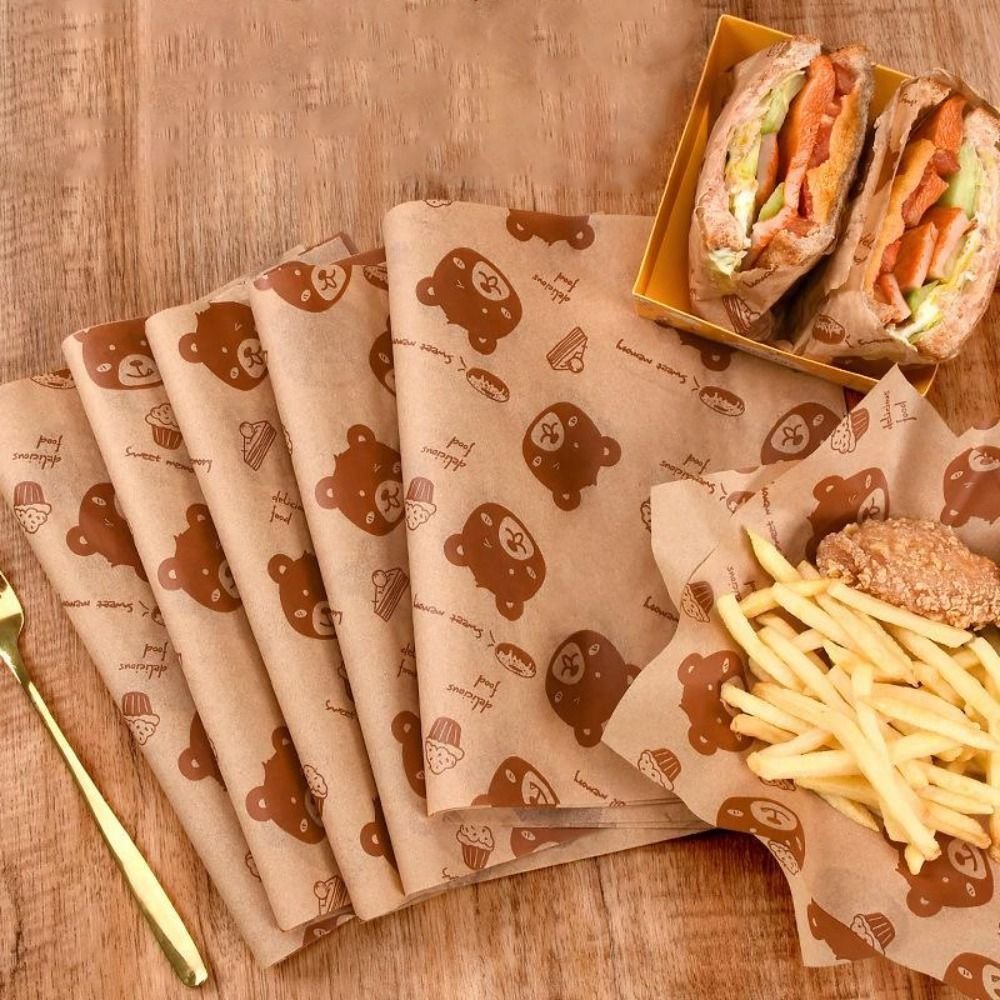

Food packaging is part of the everyday experience at Australian cafés, bakeries, takeaway restaurants, and food retailers. Paper used for wrapping, serving, or presenting food needs to fit the product and the way a business operates. When selected carefully, it can make orders easier to handle, keep presentation consistent, and help customers recognise a brand.
Different food papers serve different purposes. Butter paper may suit selected wrapping and food-handling applications, general food paper can be used for suitable serving and wrapping needs, and paper intended for hot foods must be able to handle the conditions for which it is designed. These products should not be treated as interchangeable because coatings, grease resistance, and temperature limits can vary.
For businesses exploring branded wrapping options, Custom Printed Butter Paper can be considered for suitable food presentation and handling applications. Before choosing a product, check whether it is intended for direct food contact and whether its material suits the food being wrapped. A simple repeating logo or subtle pattern can give packaging a consistent appearance without making it harder to fold or use.
Butter Paper for Everyday Food Handling
Butter paper is a familiar term in food packaging, but its precise properties depend on the product specification. Businesses should confirm whether a particular paper is designed for wrapping, lining, or another application rather than assuming that every butter paper product provides the same level of grease or moisture resistance.
For cafés and food retailers, sheet size and flexibility are important practical considerations. Paper should be easy for staff to handle and large enough for the intended portion. A suitable design can also help keep products neatly presented during service, whether the business is preparing takeaway orders or packaging selected bakery items.
Custom printing can support a consistent visual identity. Repeating logos and simple patterns are often practical for wrapping sheets because parts of the design remain visible after folding. Before ordering, confirm the paper’s intended use and any restrictions related to hot, oily, or moist foods.
General Food Paper for Wrapping and Serving
Food paper can support a range of serving and wrapping tasks, depending on its material and finish. Cafés, takeaway shops, and food retailers may use suitable paper for sandwiches, bakery products, snack items, and other menu selections. The important step is to match the product specification to the food rather than selecting paper based on appearance alone.
Businesses interested in branded options can explore Custom Printed Food Paper when planning packaging for everyday food service. A consistent logo, a repeating graphic, or a limited colour palette can help tie wrapping sheets into the wider brand identity. The artwork should remain legible when the paper is folded, placed in a tray, or partly covered by food.
Consider how the paper will perform in normal service. Dry foods may have different requirements from items that release grease, moisture, or heat. Businesses should check the supplier’s information on direct food contact, grease resistance, and intended temperature range. Testing a sample with the actual menu item can help identify whether the paper is practical for the way the business prepares and serves food.
Paper for Hot Food Applications
Hot food packaging needs careful selection because heat, steam, grease, and moisture can affect the performance of paper. A sheet suitable for a cold sandwich may not be suitable for a hot burger or freshly cooked pastry. The correct option depends on the material, any coating, the temperature involved, and how long the food remains in contact with the paper.
For suitable applications, Custom Printed Hot Paper can be explored as part of a food business’s packaging plans. Before ordering, clarify the exact intended use with the supplier. Ask whether the paper is designed for direct contact with hot food, whether it resists the expected grease or moisture, and whether any temperature limitations apply.
The way hot food is packed matters as well. Steam can build up inside tightly wrapped packaging, potentially affecting texture and presentation. Businesses should choose a format that suits the food and service method, whether customers are eating immediately or carrying orders away. A sample test can help staff assess the wrapping process and the paper’s performance during actual service.
Keep Branding Consistent Across Packaging
Using different papers for different menu items does not require a different design for every product. A shared logo, typography, and colour palette can connect butter paper, general food wrapping, and hot food packaging. This helps customers recognise the business across takeaway orders, counter service, and food displays.
Keep the artwork functional. Repeated small logos can work well on wrapping sheets, while a more open layout may suit larger pieces of paper. Consider where the design will appear once the food is wrapped or placed in a basket. If the paper is used around hot food, material suitability should be confirmed before deciding on the final print specification.
Businesses should also choose the right format and dimensions. Pre-cut sheets may help staff work quickly during busy periods, while rolls may be suitable for some preparation processes. The decision depends on daily usage, storage space, portion sizes, and the way staff wrap or serve the food.
Choose Food Paper with Safety in Mind
Food-contact packaging must be suitable for its intended purpose and should not contaminate the food. Food Standards Australia New Zealand advises food businesses to use clean, undamaged packaging and confirm with the supplier that the material is appropriate for the food and the conditions it will encounter, including temperature, humidity, and storage time.
Before placing an order, check the paper’s intended application, direct food-contact suitability, and any limits on heat or moisture exposure. If a product will be used in an oven or with very hot food, follow the manufacturer’s instructions rather than relying on a general product name. Keep unused paper in a clean, dry place and protect it from contamination.
Ordering samples before committing to a larger quantity can help businesses evaluate the paper in real working conditions. Staff can check how easily it folds, whether it remains intact during handling, and whether it suits the food being served. This makes it easier to choose packaging based on practical performance as well as appearance.
FAQs
What is butter paper used for in food packaging?
Butter paper may be used for selected wrapping and food-handling applications. Its exact suitability depends on the material and finish, so businesses should confirm whether it is appropriate for the food and conditions involved.
Can custom food paper be printed with a business logo?
Some food paper products are available with custom printing. Confirm the available sizes, artwork options, and food-contact suitability with the supplier before ordering.
What should I check when choosing paper for hot food?
Check whether the paper is designed for direct contact with hot food, its temperature limits, and its resistance to grease and moisture. Also consider steam, wrapping method, and how long the food will remain in contact with the paper.
Conclusion
Butter paper, general food paper, and hot food paper can each support different needs across Australia’s food service industry. The best option depends on the menu, serving method, and conditions the paper must withstand. By confirming product specifications, testing samples, and using consistent branding, businesses can select packaging that fits their daily workflow and presents their brand professionally.