

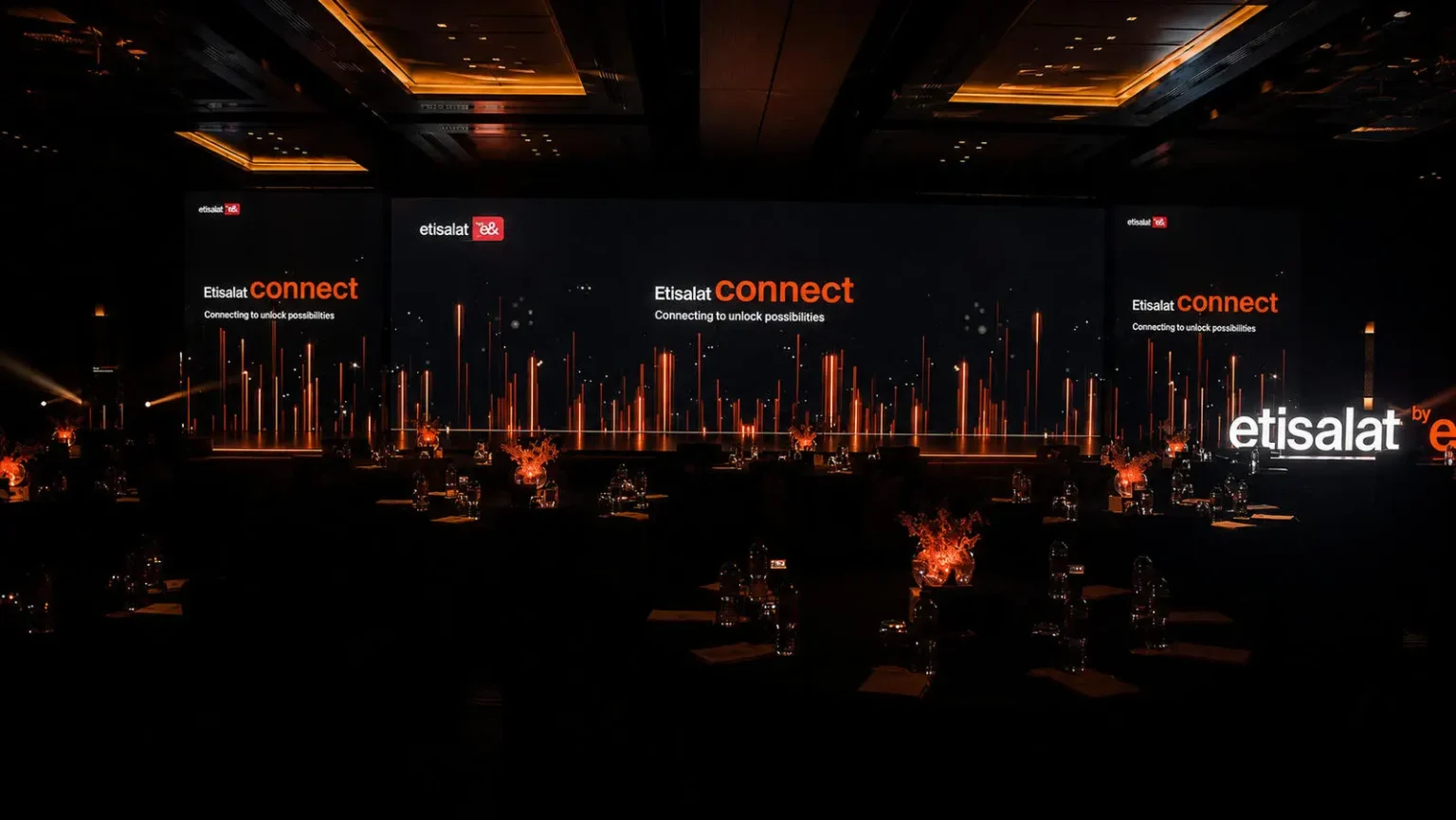

Events in Dubai can face logistical challenges involving traffic, venue access, supplier scheduling, equipment transportation, weather conditions, technical requirements, and crowd movement. These issues can affect setup times, guest arrivals, and the overall programme if they are not addressed during planning. Organisers should identify likely risks early and create practical contingency arrangements for each major operational area.
Experienced events company dubai teams often coordinate several suppliers and venue representatives to keep event activities aligned. A reliable logistics plan should consider local operating conditions, event scale, venue rules, and the needs of attendees.
Traffic and Transportation Delays
Traffic conditions can affect guest arrivals, supplier deliveries, and travel between event locations. The impact depends on the time of day, the route, road conditions, and other activities taking place nearby.
Organisers should map delivery routes, estimate travel time for the relevant period, and allow extra time for vehicle access and unloading.
Useful planning measures include:
- Confirming the venue’s exact loading entrance
- Sharing location details and access instructions with drivers
- Checking parking and drop-off arrangements
- Staggering deliveries to reduce congestion
- Identifying alternative routes where practical
- Keeping the receiving team informed of delays
For events involving multiple venues, the master schedule should account for travel between locations instead of relying on distance alone.
Venue Access and Installation Restrictions
Some venues have restricted loading areas, limited service lift capacity, specific contractor procedures, or narrow installation windows. These restrictions can create problems when equipment requires extensive setup.
An event management company in dubai can help coordinate access requirements and supplier schedules, but the details should always be confirmed with the venue directly.
| Potential Challenge | Preventive Measure |
|---|---|
| Limited loading access | Reserve delivery slots in advance |
| Restricted installation hours | Build the production schedule around approved access |
| Equipment cannot fit through entrances | Measure access routes and equipment dimensions |
| Contractor approval delays | Submit required documents before installation |
| Shared loading facilities | Stagger supplier arrivals |
| Limited storage space | Plan delivery sequences and approved storage areas |
Early site inspections can help identify practical problems that are difficult to assess from venue photographs.
Supplier Coordination and Equipment Availability
Large events may depend on multiple suppliers providing staging, lighting, audio systems, displays, furniture, branding, and catering. If one critical supplier is late, other teams may be unable to complete their work.
Use a central production schedule and identify dependencies between activities. Confirm supplier responsibilities, delivery quantities, technical specifications, and completion deadlines in writing.
For critical equipment, establish a procedure for reporting delays and identifying suitable alternatives. Any substitute equipment should meet the event’s technical and safety requirements before it is approved.
Weather and Outdoor Event Conditions
Outdoor events can be affected by heat, humidity, wind, rain, dust, or changing weather conditions. The relevant risks depend on the season, event duration, location, and equipment involved.
Organisers should assess shade, cooling, hydration, surface conditions, temporary structures, and the needs of guests and staff. Weather monitoring should be combined with an agreed response plan rather than treated as a substitute for preparation.
| Weather-Related Risk | Planning Consideration |
|---|---|
| High temperatures | Provide appropriate shade, cooling and hydration arrangements |
| Wind | Check approved limits for temporary structures and suspended items |
| Rain | Assess drainage, covered areas and suitable protection |
| Dust | Protect sensitive equipment and follow venue procedures |
| Weather disruption | Define postponement, relocation or cancellation decisions |
For outdoor installations, follow supplier guidance, venue rules, and applicable safety requirements.
Technical and Power Challenges
Events that use LED screens, projection, live streaming, interactive displays, and complex sound systems require careful technical planning. Inadequate power distribution, poor connectivity, incompatible equipment, or insufficient testing time can affect the programme.
Confirm power availability, connection requirements, network performance, cable routes, and equipment installation permissions before delivery.
Schedule technical rehearsals and verify the systems under realistic operating conditions. If the event relies on internet connectivity, consider an approved backup connection where practical.
Registration and Crowd Management
High-attendance events may experience long queues, congestion around entrances, or delays at security checkpoints. These issues can disrupt programme timings and create uncomfortable conditions for guests.
Estimate peak arrival periods, provide clear signage, and allocate suitable space for queues. Registration staff should know how to manage missing tickets, duplicate records, and other common exceptions.
For large gatherings, coordinate guest movement with venue security and operational teams. Keep emergency routes clear and establish procedures for managing unexpected crowding.
Communication and Schedule Changes
Poor communication can turn a minor issue into a major delay. Suppliers may receive conflicting instructions, staff may work from outdated schedules, and venue teams may not know that delivery times have changed.
Use one central schedule, assign decision-making responsibilities, and establish a clear process for communicating urgent updates.
A simple incident log can record the problem, the person responsible, the decision made, and the next action. This is particularly useful when several teams need to respond to the same issue.
Build a Practical Logistics Risk Plan
Prioritise risks based on their likelihood and potential impact. Focus first on issues that could affect safety, prevent the event from opening, or interrupt essential programme activities.
| Risk | Priority Consideration | Response |
|---|---|---|
| Critical equipment delay | Could prevent technical completion | Confirm supplier milestones and alternatives |
| Venue access problem | Could delay installation | Verify permissions and access routes |
| Severe weather | Could affect safety or outdoor operations | Follow the approved weather contingency plan |
| Registration congestion | Could delay guest entry | Adjust staffing and check-in capacity |
| Power or connectivity failure | Could interrupt the programme | Test systems and prepare suitable backups |
Review the plan with the people responsible for implementing it. A contingency is useful only when staff understand when and how to activate it.
Common Questions
1. What is a common logistics challenge for events in Dubai?
Traffic, venue access restrictions, supplier coordination, and technical installation requirements are among the issues organisers should assess carefully.
2. How can event teams reduce delivery delays?
Use approved delivery windows, confirm routes and loading access, maintain supplier contact details, and allow schedule buffers.
3. How should outdoor events prepare for weather changes?
Assess the site’s conditions, establish suitable protection or relocation options, monitor forecasts, and define clear safety-based decision procedures.
4. Why are technical rehearsals important?
They allow teams to identify equipment, connectivity, audio, visual, and operational problems before attendees arrive.
5. How can organisers respond to unexpected changes?
Use an agreed escalation process, identify the responsible decision-maker, communicate updates centrally, and follow the relevant contingency plan.
Final Words
Logistics challenges can affect every stage of an event, from equipment delivery to guest departure. Organisers should assess traffic, venue restrictions, supplier dependencies, weather, technology, and crowd movement before event day. A realistic schedule, clear communication, and tested contingency plans help teams manage disruptions without losing sight of safety and event objectives.