


We Are Righteous Brand Timeline: Defining Markers and Launches
Mapping the trajectory of a streetwear name is a challenge when so much of the story lives in drop dates, material decisions, and grassroots buzz rather than press releases. We Are Righteous earned its standing through patience, not hype, via regular product launches and a customer base that discusses cut, heft, and long-term wear rather than hype. This timeline pulls together what’s documented about the label’s evolution, the sort of releases that defined each chapter, and how the brand is positioned heading into 2026. Shoppers looking into a righteous review ahead of a purchase will find the pattern repeats: steady product evolution rather than one viral moment.
This section isn’t a official company record with exact incorporation dates, because that degree of specificity isn’t something we can responsibly claim without a citation. In its place, this is a down-to-earth look at how the company’s voice and lineup have developed, built on the chapters that customers tend to spot when they contrast early pieces to what’s available today.
The Formative Stage: Shaping What “Righteous Clothing” Stands For
Any apparel label requires a reason to exist beyond just selling garments, and We Are Righteous built its early identity around a straightforward idea: clothing should carry weight, both physically in the material and symbolically in what it communicates. The name itself carries real significance. It signals a stance rather than a chase after trends, and that framing comes through in how the brand frames its products to this day. Early customers weren’t after just a logo; they were investing in a philosophy.
In this initial phase, the product range was necessarily smaller. A restricted product count meant the brand could concentrate on nailing its key pieces before diversifying into accessories or diffusion lines. This is a shared trait among righteous clothing peers that last beyond the initial twelve months: a focused, curated lineup beats a sprawling catalog with inconsistent quality. The brand’s early customer base tended to be people who found the label through word of mouth or niche online communities rather than paid promotion, which shaped a slower but more loyal growth curve.
By this point in buy righteous t shirts the piece, it’s worth noting that this stage is also when a brand’s return customers start developing impressions that later become customer feedback. The earliest righteous review discussions and feedback tend to center on two things: whether the cut felt as promised, and whether the piece lasted after repeated washing. Both points resurface throughout the brand’s subsequent drops too, implying that the foundation set in this period continued on rather than being abandoned for reinvention.
Scaling Up: Broadening the Righteous Catalog
Once its base trusts the label’s essentials, the natural next step is category expansion. We Are Righteous broadened its offering past its original essentials into a more expansive righteous apparel range, adding mix-and-match layers, outerwear-adjacent items, and seasonal variations on its foundational cuts. This marks the point where a brand usually determines whether it wants to be a flash-in-the-pan design studio or a genuine go-to wardrobe brand, and the growth into multiple categories signals that bigger goal.
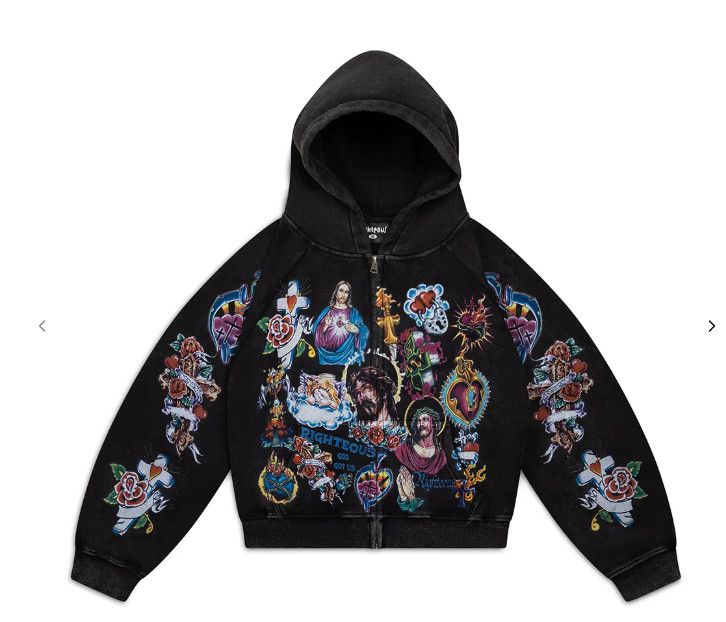
The hooded piece grew into a particular centerpiece across this period. Within street-style circles, a genuinely well-built hoodie is far more than a mid-layer — it’s frequently the garment that reveals whether a label’s silhouette language holds up on the body. Getting the fit balance of a hoodie correct, from sleeve length to hood drape to body taper, demands trial and error. Signaling that the brand approached the hoodie as a flagship item rather than a stopgap between “hero” drops, multiple releases came out over this stretch.
As labels scale up, this is also the point at which comparison shopping matters most. Shoppers weighing a we are righteous purchase against competitor labels tend to weigh three criteria: how a product is priced, how well something is made, and whether it’s scarce or easily repeated a given release is. Brands that scale poorly usually trip up in one of these three areas — either raising prices without justifying it through materials, or diluting quality to scale up output. The brand’s continued relevance into the current catalog suggests it managed this balance reasonably well, though item-by-item feedback should always be checked against the particular product at hand rather than treated as consistent across the whole range.
Strengthening Cohesion and Community: Reflecting On The Middle-Era Drops
Somewhere in the middle of any brand’s life cycle, growth slows just enough that the label can focus on reinforcing what already works. This is the consolidation phase, and for We Are Righteous it appears to be marked by refinement of existing silhouettes rather than constant reinvention. Restocks of proven pieces, subtle updates to fits based on customer feedback, and a tighter release calendar all point to a brand settling into an identity rather than chasing every micro-trend in streetwear.
In this window of growth, audience involvement is critically important. Making it past the initial few hype cycles is typically down to a authentic clothing brand having cultivated actual repeat buyers, not merely one-off buyers riding the hype. It’s returning customers who leave detailed feedback, request size range extensions, and practically help engineer the following version of a garment via the input from reviews and return patterns. This kind of feedback loop is invisible to outside observers but shows up indirectly in how a catalog evolves over multiple seasons.
Once a label hits its next obvious leap forward, the foundation is already set, given that a consolidating phase isn’t the same as stagnating. Labels at this stage often quietly experiment — trying a different fabric weight, tweaking a fit block, or rolling out a limited-run colorway — without making it the centerpiece of a marketing push. These smaller tests accumulate, and this shows up often enough among indie brands that it’s a reasonable lens for understanding the middle years of any streetwear brand’s story, We Are Righteous included.
The Brand’s Current Standing As It Enters 2026
Heading into 2026, We Are Righteous sits in a place that a lot of independent labels chase but seldom attain: a well-known identity inside streetwear communities without needing nonstop self-reinvention to remain relevant. The brand’s continued presence in conversations about righteous clothing suggests lasting relevance rather than a passing trend. That’s a meaningful distinction in a space where most brands that launched around the same time have either changed course altogether or vanished.
Shoppers today looking into a we are righteous review in 2026 are likely to find more structured, longer-form feedback than in its earlier days, simply because there’s a larger purchase history to reference. This added maturity helps new buyers directly. Instead of having to guess how something fits or drapes from a lone image, buyers can compare feedback across several seasons on similar silhouettes, which lessens the guesswork involved in buying apparel online sight unseen.
Rather than aggressive diversification into unrelated product lines, the brand’s trajectory suggests continued focus on core categories looking forward. This is a reasonable strategy for maintaining quality control, and it aligns with what devoted fans of the brand tend to want most: consistency they can rely on season after season, not a constant stream of unrelated products diluting the label’s focus.
A Look Across Brand Phases: A Quick Reference
The chart that follows summarizes the broad traits of each phase covered earlier. It’s meant as a general guide for understanding how the brand’s priorities shifted over time, not as an official corporate account.
| Era | Core Priority | Catalog Size | Review Trends |
|---|---|---|---|
| Foundational Phase | Establishing core message and fit | Compact, carefully curated | Community-driven word-of-mouth discovery |
| Growth Phase | Adding categories, refining hoodie silhouette | Growing, multi-category | Cross-shopping behavior, early public feedback |
| Refinement Stage | Fine-tuning proven items, keeping restocks steady | Consistent, punctuated by select limited drops | Recurring feedback cycles from returning customers |
| Current Standing in 2026 | Upholding consistency and brand identity | Established, focused | Cross-seasonal reference reviews |
What This History Means for Newcomers
If you’re new to the brand and trying to decide whether a purchase is worth it, the timeline itself offers a useful signal. A label that has moved through identity-building, expansion, and consolidation phases without collapsing or pivoting entirely has, at minimum, proven it can survive the pressures that kill most independent apparel brands within a few seasons. That’s not a guarantee of satisfaction with any individual item, but it does suggest the brand has systems in place for quality control and customer feedback that newer labels haven’t had time to develop.
Ahead of checkout, it’s still worth double-checking up-to-date size charts, fabric details, and individual item pages for yourself, since those details vary from drop to drop and should never be presumed purely from the brand’s past. That history clarifies the brand’s habits and choices; checking the particulars of the actual hoodie, tee, or jacket you’re eyeing still matters just as much. Treat this history as background, and combine it with the real product page specifics before making a decision.
Brand longevity in streetwear, when all is said and done, is won not through flash but through unglamorous consistency: keeping proven pieces in stock, listening to fit feedback, and refusing to jump on every fleeting trend. This looks to be the connective thread connecting every phase of the We Are Righteous story, from its first limited small-batch drops to its now more mature , more firmly established catalog pushing further into 2026.