

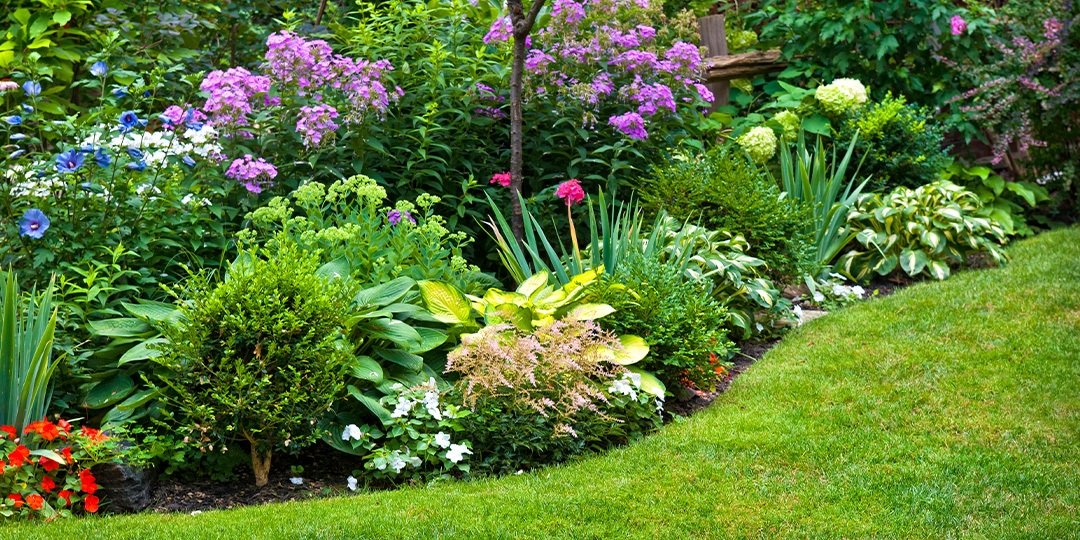

Walk into almost any garden center and you will find rows upon rows of exotic flowers promising bold colors and dramatic shapes. They look stunning sitting there on the shelf. and it is easy to see why so many homeowners fill their trolleys with them. but ask any experienced professional what actually thrives once those plants hit the ground. and the answer usually points right back to whatever was already growing in the area long before anyone built a garden there at all. Native plants have quietly become one of the most recommended choices among professionals these days. and once you understand why. it makes complete sense. Many Landscapers Swansea now lean heavily on native species when designing gardens. not because exotic plants are inherently bad. but because native varieties simply work better with the local environment in almost every way that matters.
There is something a little ironic about spending a fortune on imported plants only to watch them struggle through their first winter. while a native shrub planted right beside them barely notices the change in season at all. This pattern repeats itself in gardens across the country every single year. and it is exactly the kind of frustration that pushes more people toward rethinking their planting choices from the ground up.
What Makes Native Plants So Well Suited to Local Conditions?
Native plants have spent generations adapting to the exact soil. rainfall patterns. and temperature swings of their region. That is not something that happens overnight. it is the result of countless seasons of natural selection weeding out anything that could not survive the local climate. By the time these plants reach a garden center shelf. they already carry built in resilience that imported species simply do not have.
This adaptation shows up in practical ways almost as soon as planting is done. Native species tend to establish root systems faster because they already know how to handle the soil composition they are growing in. They cope with seasonal rainfall without needing constant supplemental watering. and they shrug off cold snaps that might send a more delicate exotic plant into shock. Gardeners who switch to native varieties often notice within the first year alone just how much less fuss these plants demand compared to whatever they replaced.
How Do Native Plants Support Local Wildlife?
A garden filled entirely with exotic plants can sometimes feel strangely quiet. Birds pass it by without stopping. Bees seem uninterested. and butterflies rarely linger for long. This happens because local wildlife has evolved alongside native plants for thousands of years. building relationships that exotic species simply cannot replicate no matter how attractive their flowers might look to the human eye.
Native plants offer the right nectar. the right seeds. and the right shelter that local insects and birds actually recognize and depend on. Bees in particular rely heavily on native flowering plants timed to bloom exactly when local pollinators are most active. Removing native plants from a landscape breaks this carefully timed relationship. and the wildlife that depended on it either struggles to adapt or simply moves elsewhere in search of a garden still offering what it needs.
Why Do Native Plants Require Less Water and Maintenance?
One of the biggest selling points professionals point to is the dramatic drop in maintenance once native planting takes hold. Because these plants are already suited to local rainfall patterns. they rarely need the kind of intensive watering schedule that keeps exotic plants alive through a dry summer. Deep root systems developed over generations let native species pull moisture from further underground during stretches when surface soil dries out completely.
This translates directly into lower water bills and a lot less time spent dragging a hose around the garden every evening. Fertilizer needs tend to drop significantly too. since native plants are already adapted to thrive in the nutrient levels naturally present in local soil. rather than needing the soil artificially enriched to match conditions from a completely different climate on the other side of the world.
What Role Do Native Plants Play in Preventing Soil Erosion?
Soil erosion is a quiet problem that often goes unnoticed until a garden starts losing its shape after heavy rain. Native plants tend to develop deeper and more extensive root systems than a lot of ornamental exotic species do. and these roots act almost like a natural net holding soil firmly in place during storms and heavy downpours.
This becomes especially important on sloped gardens or properties near water sources where loose soil washes away easily. A well established bed of native shrubs and grasses creates a stable structure underground that resists the kind of erosion that gradually eats away at a poorly planted landscape. Professionals working on properties prone to drainage issues often turn to native species specifically for this structural benefit. long before they even get around to thinking about how the plants will look above ground.
How Do Native Plants Affect the Overall Health of a Garden Ecosystem?
A garden is never just a collection of individual plants sitting next to each other. it functions as a small ecosystem with its own balance of pests. predators. soil organisms. and pollinators all interacting at once. Native plants slot into this ecosystem naturally because the surrounding environment already knows how to interact with them. Beneficial insects that prey on common garden pests are far more likely to stick around when native plants provide the habitat they recognize.
Exotic plants can sometimes throw this balance off entirely. Without natural predators in the local ecosystem to keep certain pests in check. some imported species struggle against insects that local plants handle without much trouble at all. This is part of the reason experienced Landscapers Swansea often suggest blending in native species even within gardens that still want to keep a few exotic favorites around for visual variety.
Are Native Plants More Affordable in the Long Run?
The upfront cost of native plants is often comparable to exotic alternatives. sometimes even slightly cheaper depending on what is available through local nurseries. but the real savings show up over time rather than at the checkout counter. Lower water consumption. reduced fertilizer needs. and a lot less replacement after harsh weather events all add up to a garden that costs far less to maintain year after year.
Exotic plants that struggle through winter or fail to establish properly often need replacing within a season or two. which means paying for the same plant multiple times before finally giving up and switching to something hardier instead. Native plants tend to avoid that expensive cycle altogether. since they were built to handle exactly the conditions they are planted in from the very first day.
How Should Homeowners Start Incorporating Native Plants Into Their Gardens?
Switching an entire garden over to native species overnight is rarely necessary or even recommended by anyone with experience. Most professionals suggest a gradual approach instead. starting with a few key areas such as borders. sloped sections prone to erosion. or spaces that have consistently struggled with exotic plantings in the past. Watching how native varieties perform in these test areas often convinces homeowners to expand the approach further across the rest of their property.
Working alongside experienced Landscapers Swansea makes this transition a lot smoother. since local professionals already know which native species thrive in specific soil types and microclimates found across the region. Their guidance helps sidestep the trial and error that so many homeowners go through when attempting to research native planting entirely on their own.

Final Thoughts
Native plants are not simply a trend that gardening enthusiasts are following for the sake of novelty. they represent a genuinely smarter way to build a garden that thrives with far less effort and expense. From supporting local wildlife to reducing water usage and preventing soil erosion. the benefits stack up quickly once these plants take root. Choosing native species is one of those decisions that quietly pays off season after season. long after the initial planting has settled comfortably into the landscape it was always meant to grow in.
FAQS
Do native plants still provide colorful flowers like exotic species?
Yes. plenty of native plants produce vibrant and varied blooms throughout different seasons. though the specific colors and shapes depend on which local species are available.
Can native plants be mixed with exotic plants in the same garden?
Absolutely. many gardeners successfully blend both types. using native species in key structural areas while still enjoying a few exotic favorites elsewhere in the garden.
How long does it take for native plants to fully establish in a new garden?
Most native plants build strong root systems within the first one to two growing seasons. though full maturity can take a few years depending on the species involved.
Are native plants harder to find than exotic varieties at garden centers?
Availability varies by location. but more local nurseries now stock a wider range of native species due to growing demand from homeowners and professionals alike.
Do native plants attract unwanted pests more than exotic plants?
Generally no. native plants tend to maintain a healthier natural balance with local insects. since the surrounding ecosystem already includes predators that keep pest populations in check.
Visit jhanvisolutions for more informative blogs.