

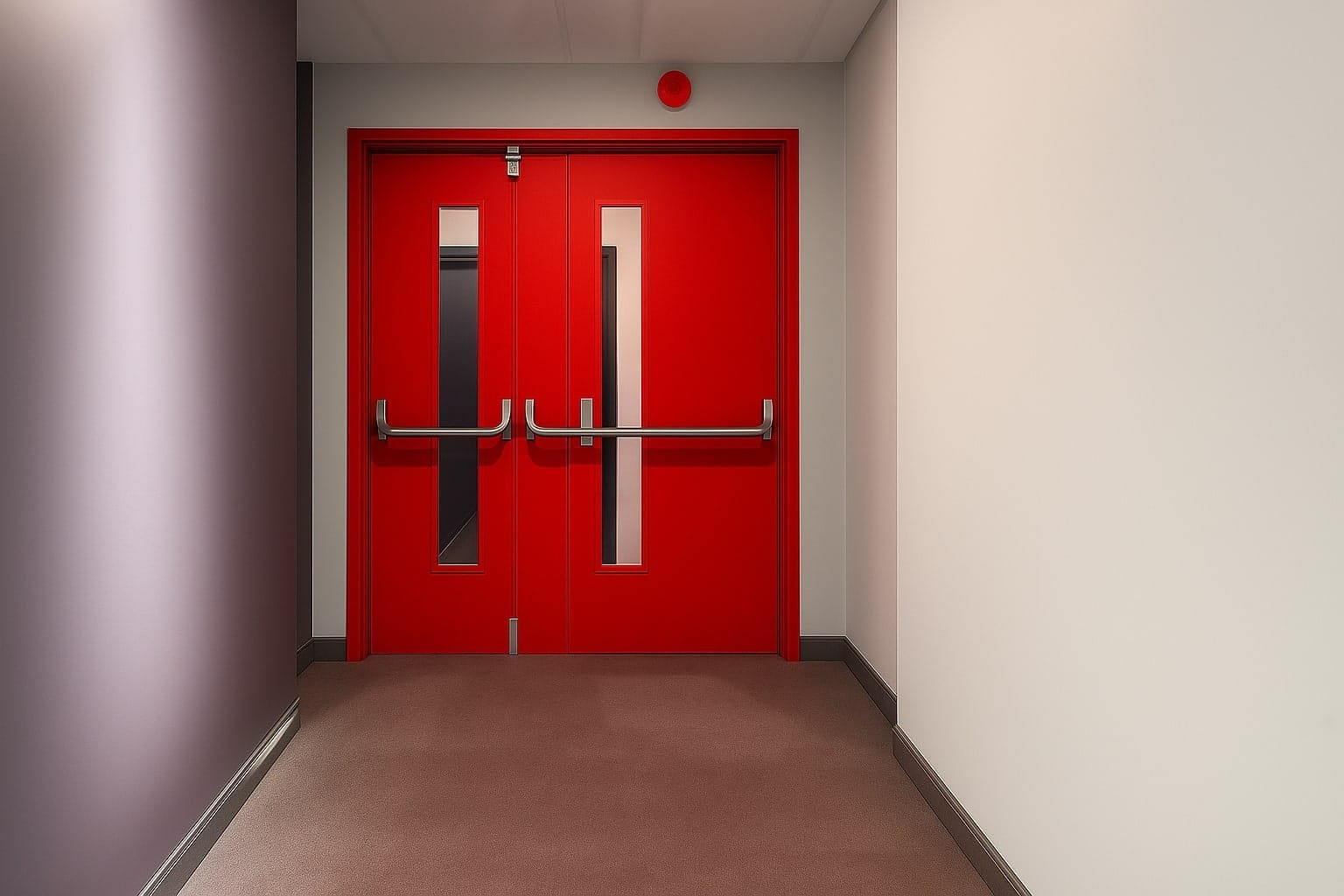

Fire doors are one of those things people walk past every single day without giving them a second thought. They blend into the background of offices, schools, and apartment buildings so well that most people forget they are even there for a reason. but that reason matters more than almost anything else in the building. A fire door is designed to hold back flames and smoke for a set period of time. giving people the precious minutes they need to escape safely. The problem is that a fire door only works properly if it has been installed correctly and maintained the right way. and this is exactly where so many buildings start running into trouble. Regular checks through Fire door inspection in Stoke on Trent have uncovered the same handful of issues again and again. and understanding these problems can help any property owner avoid a nasty surprise during an actual emergency.
A fire door that looks perfectly fine on the surface can still be completely useless in a real fire. The damage is often hidden inside the frame or behind the hardware. which means a quick glance is never enough. This is why proper inspection routines exist in the first place. and why so many of the issues found during these checks come as a genuine shock to building owners who assumed everything was working as it should.
Why Do Gaps Around the Door Frame Cause So Many Problems?
One of the most common issues inspectors find is excessive gapping around the edges of the door. A fire door needs a tight and consistent gap all the way around. usually no more than a few millimeters. When the gap becomes too wide. smoke and flames can slip through far faster than the door was ever designed to allow.
Gaps tend to grow over time because of natural building movement. humidity changes. or simply years of the door being opened and closed thousands of times. Wood can warp slightly. frames can shift. and what started as a perfect fit slowly becomes a weak point nobody notices until someone actually measures it properly. This is one of those issues that seems minor at first glance but can completely undermine the entire purpose of the door.
What Problems Show Up With Door Hardware and Hinges?
Hinges and hardware take a beating from daily use. and inspectors regularly find hinges that are loose. missing screws. or simply the wrong type for a fire rated door. Some buildings unknowingly replace damaged hinges with standard hardware bought from a regular shop. without realizing that fire doors require specific certified components to maintain their rating.
Closers are another frequent culprit. A fire door relies on its closing mechanism to shut completely and seal the gap every single time it is used. If the closer is too weak. too slow. or has been adjusted incorrectly. the door might swing shut but fail to latch properly. leaving a small but dangerous opening. Inspectors often find closers that have been tampered with over the years. usually by someone trying to make the door easier to open or prop in place for convenience.
How Does Damage to the Door Leaf Affect Fire Resistance?
The door leaf itself. meaning the actual slab of the door. is built with layers of materials designed to resist heat for a specific length of time. Drilling extra holes for things like vision panels. cable runs. or new locks can damage these internal layers without anyone realizing the consequences. Once that internal structure is compromised. the door can no longer guarantee the fire resistance rating it was originally certified for.
Visible damage such as cracks. splits. or water staining are also red flags during an inspection. Water damage in particular can weaken the core material over time. even if the surface still looks intact. Inspectors trained to spot these signs often catch problems that the average person walking past would never notice in a hundred years.
Why Are Intumescent Seals So Often Overlooked?
Intumescent seals are the unsung heroes of fire door protection. These are the strips fitted around the edges of the door that expand when exposed to heat. sealing the gaps and blocking smoke from passing through. The problem is that these seals are thin. often painted over. and easy to damage during routine maintenance or redecoration.
Many inspections reveal seals that have been painted so many times they no longer expand properly. or seals that have simply fallen off and were never replaced. Since these strips are not always obvious to the eye. they tend to get neglected for years. Property owners searching for reliable Fire door inspection in Stoke on Trent often discover that this single overlooked component is responsible for more failed inspections than almost any other issue.
What Role Does Signage and Door Labeling Play in Compliance?
Every certified fire door should carry a label or plug somewhere on its edge confirming its fire rating and certification details. Over time these labels can be painted over. removed during refurbishment. or simply worn away. Without this label. there is no way to confirm the door actually meets the required standard. even if it looks like a proper fire door from the outside.
Signage around the building plays a role too. Doors that are meant to remain closed at all times need clear instructions. and doors that have been wedged open for convenience are one of the most common violations found during routine checks. A fire door that is propped open all day long offers zero protection the moment it is actually needed. regardless of how well built it might be.
How Often Should Fire Doors Be Checked for These Issues?
Most guidance recommends checking fire doors at least every six months. though doors in high traffic areas may need more frequent attention. Busy doors in schools. offices. or apartment corridors face far more wear than a door tucked away in a quiet storage room. and inspection schedules should reflect that difference.
Regular checks through professional Fire door inspection in Stoke on Trent give building owners a clear paper trail showing exactly when problems were identified and fixed. This kind of documentation becomes incredibly valuable if a fire safety officer ever asks for proof that the building has been properly maintained. Waiting until something feels obviously wrong is rarely a good strategy. since most of the serious issues hide in places nobody checks without proper training.

Final Thoughts
Fire doors carry a heavy responsibility for something that often gets so little attention. The issues found during inspections are rarely dramatic on their own. a slightly wider gap here. a worn seal there. a missing label nobody noticed. but together these small problems can strip away the protection a fire door is supposed to provide exactly when it matters most. Staying on top of regular inspections is one of the simplest ways a property owner can make sure their building is genuinely ready for an emergency rather than just appearing ready on paper.
FAQS
Who is responsible for arranging fire door inspections in a commercial building? Responsibility usually falls on the building owner or the appointed facilities manager. though landlords of shared buildings often have a legal duty as well.
Can a fire door be repaired or does it need full replacement if damaged?
Many issues such as worn seals or loose hinges can be repaired. but significant damage to the door leaf itself often means the entire door needs replacing.
How long does a typical fire door inspection take?
A thorough inspection of a single door usually takes between ten and twenty minutes. depending on accessibility and the condition of the surrounding frame.
Are fire door inspections a legal requirement?
Yes. most commercial and multi occupancy residential buildings are legally required to maintain fire doors and keep them in proper working condition.
What should be done if a fire door fails an inspection?
The issue should be addressed immediately. and the door should not be relied upon for fire safety until the necessary repairs or replacement have been completed.
Visit jhanvisolutions for more informative blogs.