

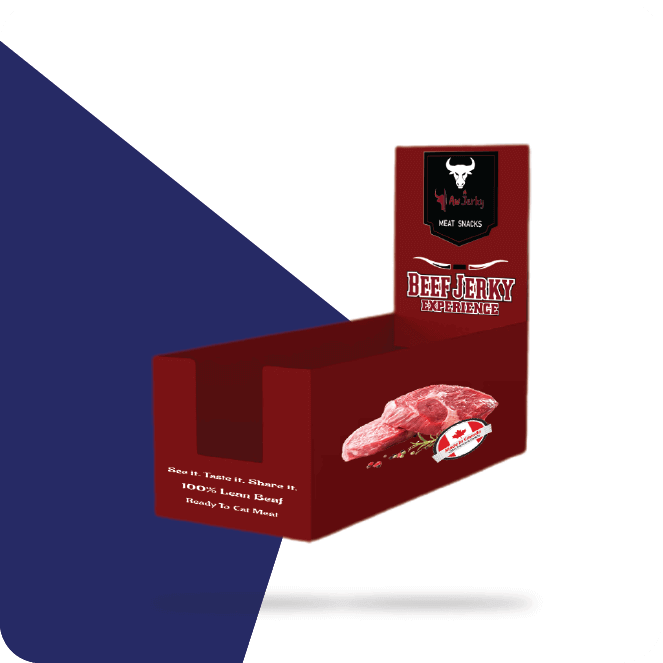

Beef jerky packaging must balance product protection, organized presentation, readable information, and practical handling throughout distribution. Meat snacks can encounter transportation, storage, retail shelving, and direct customer handling before purchase. Within a broader universal packaging strategy, carefully planned bag structures can correspond with different jerky varieties while maintaining consistent visual characteristics. Material selection, dimensions, closure details, and printed graphics can all contribute to a cohesive packaging direction for modern snack businesses. In this setting, Beef Jerky Bags provide a flexible packaging format with space for product information and distinctive artwork.
Creating A Stronger Retail Presence
Retail snack aisles contain numerous products competing for customer attention through packaging appearance and product information. A well-planned bag can create visual distinction while maintaining a recognizable presentation across different jerky varieties. The visual presentation of the product can include photography, typography, logos, flavor names, and carefully arranged graphics. Different varieties can receive separate artwork while retaining the image of the brand through related design elements. Consistent bag proportions can also create a more organized shelf arrangement, particularly when several flavors or product sizes appear together.
Selecting Appropriate Bag Structures
Different jerky products can involve varying portion sizes, textures, shapes, and presentation requirements. The packaging format of the product should correspond with the merchandise and its intended selling environment. Smaller bags can suit individual portions, while larger structures may correspond with family-sized or multipack offerings. Gusset configurations, opening dimensions, seal construction, and material thickness can also be reviewed according to the product specifications. Careful structural planning can create a practical relationship between package capacity and product volume while maintaining a suitable appearance across different product varieties.
Organizing Essential Product Information
Food packaging frequently carries important information that customers examine before purchase. Ingredients, nutrition details, net weight, flavor name, storage guidance, allergen statements, and other applicable information can receive organized placement. The information structure of the packaging should remain readable while corresponding with relevant labeling requirements. Typography and spacing can establish a clear hierarchy between essential details and supporting content. This organization becomes particularly valuable when several jerky varieties have similar package shapes. Clear information placement can create a more transparent presentation without overwhelming the available surface with excessive text or graphics.
Essential Features For Jerky Bags
- Suitable barrier structure
- Clear product information
- Distinct flavor artwork
- Practical bag dimensions
- Reliable closure details
Strengthening Recognition Across Products
Consistent packaging characteristics can contribute to the recognition of the brand across multiple jerky varieties. Logos, typography, graphic motifs, photography styles, and color systems can remain coordinated while individual flavors receive separate visual treatment. The identity of the brand can therefore remain recognizable across original, spicy, smoked, peppered, or specialty varieties. Seasonal products and limited releases can receive distinctive artwork without becoming disconnected from the broader packaging system. This approach creates a recognizable product family while leaving room for flavor-specific information and collection-based visual differences.
Improving Shelf Visibility And Alignment
Shelf presentation depends on contrast, spacing, alignment, and visual hierarchy. The visibility of the product can be supported through readable typography, distinctive imagery, and carefully positioned product information. Bag dimensions can correspond with shelf depth, display arrangements, and merchandise quantity. Related products can maintain similar proportions while individual varieties receive different graphics. When several jerky bags appear together, coordinated artwork can create a structured display. Thoughtful package planning can therefore connect practical merchandising requirements with distinctive product presentation while keeping important customer-facing information easy to locate.
Supporting Online Product Presentation
Food products increasingly appear across online stores, marketplace listings, social media campaigns, and digital advertisements. The photographic presentation of the product can remain connected with physical merchandise when bag artwork, logos, typography, and graphic systems remain consistent. Product photography can highlight the front package panel while keeping important details visible. For businesses selling through multiple channels, this continuity can connect online browsing with physical delivery. Consistent bag designs can also support recognizable product imagery across websites, promotional campaigns, digital catalogs, and customer-generated content.
Considering Sustainable Packaging Directions
Sustainability can form part of packaging planning when businesses examine material composition, production methods, material consumption, and disposal conditions. The environmental profile of the packaging depends on the actual film structure, laminate composition, manufacturing process, and available recovery systems. Accurate bag dimensions can also reduce unnecessary material consumption during production. Businesses should communicate environmental claims according to verified specifications rather than general assumptions. Material decisions should remain compatible with food safety, product protection, printing requirements, and applicable regulations. These factors can form part of a balanced packaging strategy.
Practical Advantages For Jerky Brands
- Organized retail product display
- Flexible flavor-specific artwork
- Clear customer-facing information
- Recognizable packaging identity
- Practical handling structure
Connecting Broader Packaging Formats
Businesses managing several food packaging formats often seek a consistent visual direction across their merchandise. Within universal packaging programs, jerky bags can coordinate with labels, cartons, pouches, sleeves, and other suitable formats through shared artwork and graphic characteristics. The packaging identity of the product can remain recognizable even when physical formats differ. Repeated typography, logos, patterns, and color systems can create continuity across related products. This approach provides a unified packaging framework while preserving flexibility for product-specific dimensions, materials, labeling details, and retail requirements across different food categories.
Conclusion
Beef Jerky Bags can support modern meat snack presentation through suitable materials, practical dimensions, clear information, and distinctive printed artwork. The quality of the packaging, visibility of the product, and identity of the brand can remain connected through coordinated design decisions. Attention to barrier structures, labeling, sustainability, retail handling, and visual consistency can establish a dependable packaging direction suited to contemporary snack businesses and diverse food distribution environments. Within a broader Universal Packaging strategy, bag formats can accommodate different jerky varieties while preserving their individual characteristics.