

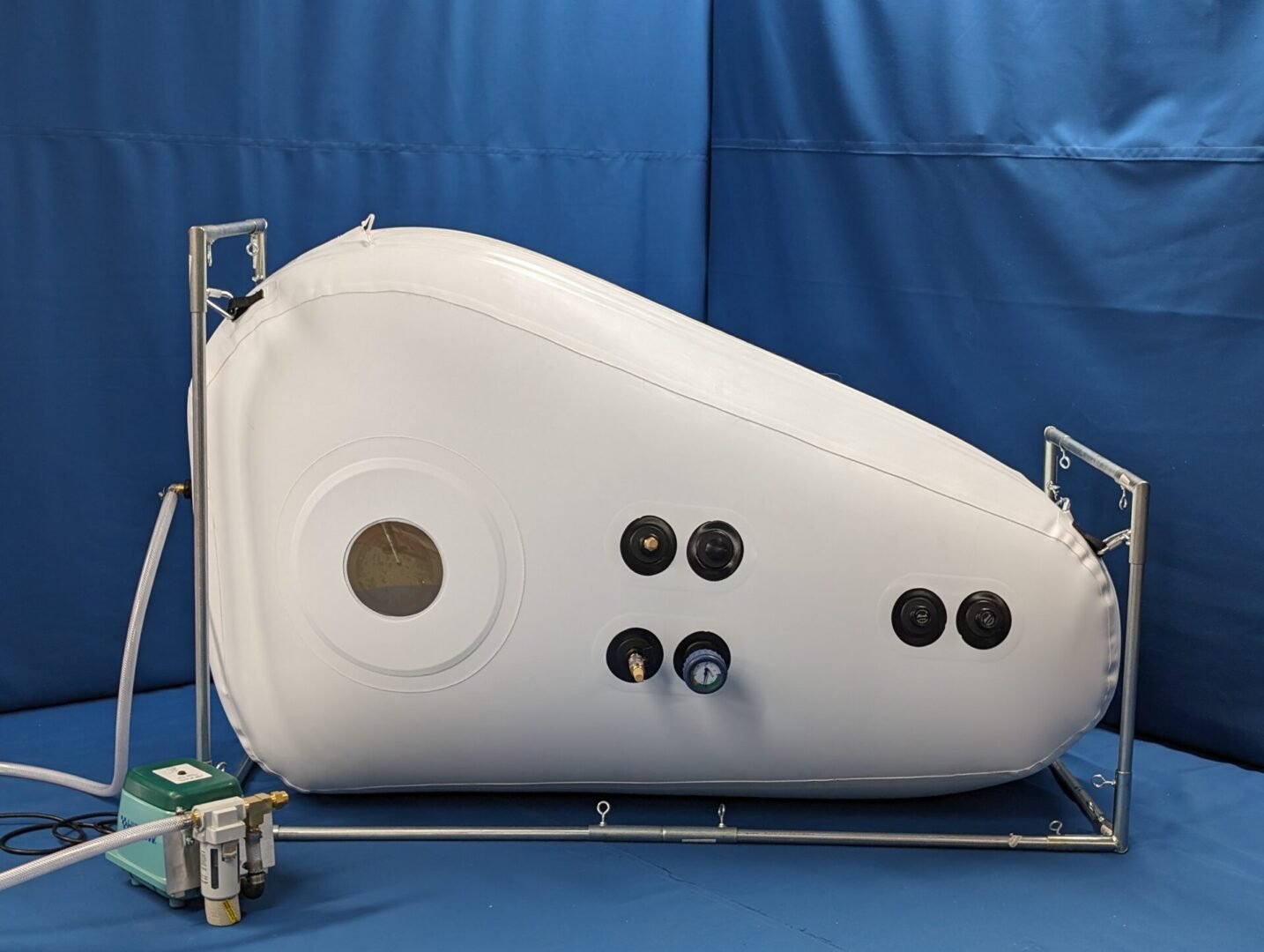

The cost of hyperbaric chamber systems is often misunderstood by first-time buyers, especially those exploring wellness therapy or planning to buy hyperbaric chamber equipment for home or clinic use. At first glance, the price listed by manufacturers seems like the total investment, but in reality, the full cost includes installation, accessories, maintenance, and long-term operational expenses.
In the United States, demand for hyperbaric oxygen therapy has increased in wellness clinics, sports recovery centers, and home-use markets. This growth has made more people search for ways to buy hyperbaric chamber systems without fully understanding the total financial commitment.
Budgeting correctly is essential because the cost of hyperbaric chamber ownership is not a single purchase but an ongoing investment that includes setup, safety components, and servicing. Many buyers only realize the hidden costs after installation, when additional expenses start appearing. This article breaks down the PAS framework to explain real pricing structure, hidden fees, and what to expect when planning your investment.
Cost of Hyperbaric Chamber – Understanding the Full Budget Picture
The cost of hyperbaric chamber systems depends on several layers of expense. While the base unit is the most visible cost, it is only one part of the total investment. When people decide to buy hyperbaric chamber equipment, they often compare only the advertised price. However, that price usually does not include compressors, oxygen systems, installation services, or maintenance plans.
In the U.S. market, even entry-level soft chambers marketed for home wellness require additional equipment to function safely and effectively. This is why the real cost of hyperbaric chamber ownership is often significantly higher than expected. Understanding the full budget helps avoid financial surprises and ensures long-term usability.
Problem: Buyers Focus Only on Base Price
A common issue in the hyperbaric industry is that buyers focus only on the base cost of hyperbaric chamber systems without considering additional requirements. For example, someone looking to buy hyperbaric chamber equipment for home use may see an affordable soft-shell unit and assume the total cost ends there. However, they soon discover they also need oxygen concentrators, filters, backup parts, and installation support.
This narrow focus creates unrealistic expectations and leads to under-budgeting. In many cases, users delay essential accessories because they did not plan for them initially. This problem is especially common among first-time buyers entering the wellness market in the United States.
Agitate: Hidden Costs That Surprise Buyers After Purchase
The cost of hyperbaric chamber ownership becomes more complex once hidden fees are included. These additional costs are not always clearly communicated during the buying process. One of the most overlooked expenses is installation. While smaller home units may be self-installed, many systems still require setup guidance, pressure calibration, and safety testing.
Another hidden expense is accessories. Buyers who decide to buy hyperbaric chamber systems often need oxygen delivery systems, replacement filters, sealing kits, and monitoring devices. These are essential for safe and effective operation.
Maintenance is another major factor. In the U.S., service providers recommend regular inspections of compressors and seals. Over time, these maintenance costs add up and can significantly increase the overall cost of hyperbaric chamber ownership. Energy consumption is also frequently underestimated. Compressors and oxygen systems require consistent power usage, which adds to monthly operating costs.
Accessories That Increase Total Budget
Accessories play a major role in determining the final cost of hyperbaric chamber setups. These components are essential for safe operation but are often not included in the base price. Oxygen concentrators are one of the most important accessories. They supply purified oxygen into the chamber and vary in price depending on capacity and brand. Air compressors are another key component. Higher-quality compressors ensure stable pressure levels and longer equipment life.
Filters and tubing systems must be replaced regularly, especially in high-usage environments. These recurring expenses contribute significantly to long-term budgeting. Even users who carefully plan to buy hyperbaric chamber systems are often surprised by how quickly accessory costs accumulate after initial setup.
USA Market Insight: Real Budget Examples
In California, wellness clinics report that their initial cost of hyperbaric chamber investment often doubles after installation and accessory setup. This includes oxygen systems, room modifications, and safety equipment.
In Texas, small wellness centers that decided to buy hyperbaric chamber units for client therapy found that operational costs became a significant part of monthly expenses due to maintenance and electricity usage.
A Florida-based recovery clinic shared that while the initial purchase was manageable, ongoing accessory replacement and servicing created a long-term financial commitment they had not fully anticipated. These real-world examples highlight that the cost of hyperbaric chamber systems in the United States is shaped by both visible and hidden expenses.
Case Study: Home User Budget Breakdown
A home wellness user in Arizona purchased a soft-shell chamber after deciding to buy hyperbaric chamber equipment for personal use. The initial purchase seemed affordable and within budget. However, additional costs quickly appeared. Oxygen concentrators, backup filters, and installation assistance increased total expenses by nearly 40 percent above the base price.
Over the first year, maintenance and electricity costs added further financial pressure. While the user still valued the system, they admitted that the total cost of hyperbaric chamber ownership was much higher than expected. This case reflects a common experience among first-time buyers in the home wellness market.
Installation Costs: The Most Underestimated Expense
Installation is one of the most underestimated parts of the cost of hyperbaric chamber budgeting process. While small units may appear simple, proper setup often requires pressure testing, safety checks, and environmental preparation. Larger systems require professional installation services. In the United States, installation costs vary depending on system complexity. Clinics often require dedicated space modifications, electrical adjustments, and ventilation setups.
Even those who decide to buy hyperbaric chamber systems for home use may need technical assistance to ensure safe operation, especially for higher-pressure units. Failing to account for installation costs can significantly affect the overall budget.
Maintenance and Long-Term Ownership Costs
Maintenance is a recurring factor that influences the cost of hyperbaric chamber ownership. Regular servicing ensures safe pressure control and equipment longevity. Filters, seals, and valves must be inspected and replaced periodically. Compressors require servicing to maintain efficiency and avoid breakdowns.
In the U.S., maintenance contracts are often recommended for commercial users, but even home users who buy hyperbaric chamber systems benefit from scheduled servicing. Over time, maintenance costs become a predictable but important part of total ownership expenses.
ROI Consideration: Is Budget Planning Worth It?
When evaluating the cost of hyperbaric chamber systems, return on investment depends on usage frequency and purpose. For clinics, ROI is measured through patient sessions and revenue generation. In these cases, careful budgeting helps maintain profitability.
For home users, ROI is based on wellness value and usage consistency. If the system is underused, the effective cost per session becomes very high. This is why careful planning before deciding to buy hyperbaric chamber equipment is essential for both business and personal users.
Conclusion
The cost of hyperbaric chamber systems is much more than the advertised price. Accessories, installation, maintenance, and operational expenses all contribute to the total investment. For anyone planning to buy hyperbaric chamber equipment in the United States, understanding hidden fees is essential to avoid unexpected financial strain.
Successful budgeting for hyperbaric therapy depends on looking beyond the purchase price and planning for the full lifecycle cost of hyperbaric chamber ownership. A well-planned investment ensures safer operation, better performance, and long-term value.