

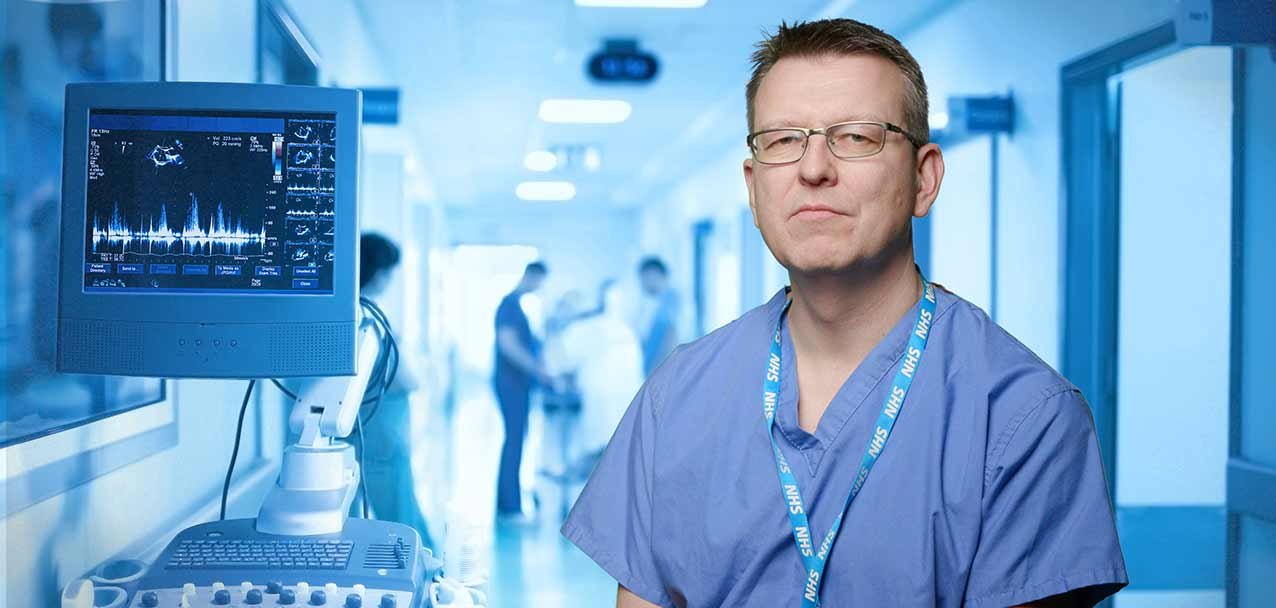

Consultant Physician & Intensivist: Roles, Responsibilities, and Importance in Modern Healthcare
Introduction
A Consultant Physician & Intensivist is a highly trained medical specialist who plays a critical role in diagnosing complex medical conditions and managing critically ill patients, especially in intensive care units (ICUs). This dual specialization combines broad internal medicine expertise with advanced critical care skills, making the physician an essential figure in hospitals that handle severe and life-threatening cases. Their work bridges general medical practice and emergency life-support medicine, ensuring patients receive continuous and specialized care.
Who is a Consultant Physician?
A Consultant Physician is a senior doctor specializing in internal medicine. They are responsible for diagnosing and treating a wide range dr rahul mahajan of adult diseases involving organs such as the heart, lungs, liver, kidneys, and endocrine system. Unlike general practitioners, consultant physicians often handle complicated or long-term medical cases that require advanced knowledge and experience.
They also play a key role in coordinating patient care, especially when multiple medical conditions are present. Their expertise allows them to interpret complex diagnostic tests, prescribe appropriate treatment plans, and guide junior doctors in managing patients effectively.
Who is an Intensivist?
An Intensivist is a specialist trained in critical care medicine, focusing on patients who are severely ill or unstable and require intensive monitoring and life support. These patients are typically treated in ICUs, where conditions such as respiratory failure, severe infections, trauma, cardiac arrest, or post-surgical complications are common.
Intensivists are skilled in managing advanced medical equipment such as ventilators, dialysis machines, and hemodynamic monitoring systems. They make rapid, high-stakes decisions to stabilize patients and improve survival outcomes.
Dual Role: Consultant Physician & Intensivist
When combined, the role of Consultant Physician & Intensivist becomes even more powerful in healthcare delivery. These professionals not only diagnose and manage complex diseases but also oversee critical care interventions when patients become unstable.
Their dual expertise allows them to transition seamlessly between long-term disease management and emergency life-saving procedures. For example, a patient with chronic heart disease may be under the care of a consultant physician, but if the condition suddenly worsens and leads to ICU admission, the intensivist skills become essential.
Responsibilities
The responsibilities of a Consultant Physician & Intensivist include:
- Diagnosing and managing complex medical conditions
- Supervising ICU patients requiring critical care support
- Performing or guiding advanced life-saving procedures
- Coordinating with multidisciplinary teams including surgeons, nurses, and therapists
- Monitoring patient progress and adjusting treatment plans
- Educating junior doctors and medical staff
- Ensuring evidence-based medical practices are followed
Importance in Healthcare Systems
Consultant Physicians & Intensivists are vital in modern hospitals because they ensure continuity of care from diagnosis to critical treatment. Their presence significantly improves patient survival rates in ICUs and enhances overall treatment efficiency.
In emergencies such as pandemics, trauma outbreaks, or mass casualty situations, these specialists become frontline leaders managing patient flow and critical interventions. Their decision-making ability often determines patient outcomes in life-or-death situations.
Conclusion
The role of a Consultant Physician & Intensivist is one of the most demanding and impactful in medicine. By combining deep diagnostic expertise with advanced critical care skills, they provide comprehensive treatment for both chronic and emergency conditions. As healthcare continues to advance, the importance of these specialists will only grow, making them indispensable in saving lives and improving patient recovery outcomes.