

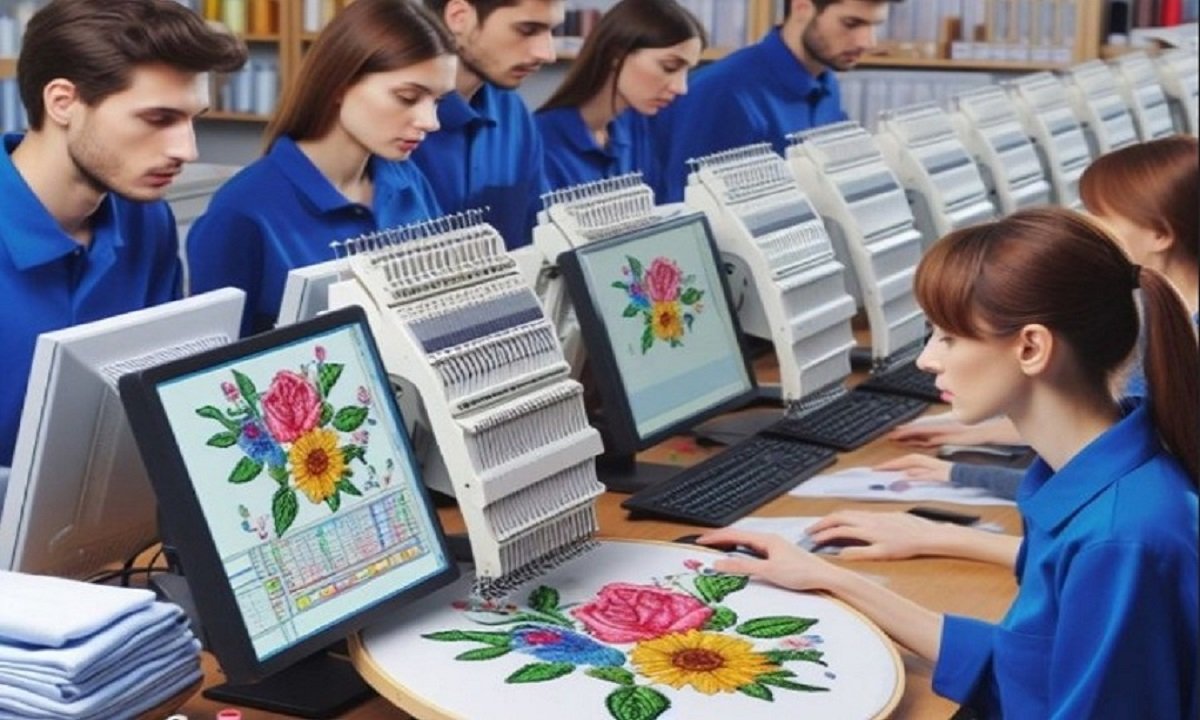

Embroidery is one of the best ways to add logos and designs to shirts, hats, bags, and jackets. Good embroidery looks clean and lasts for many years. But quality embroidery does not begin with thread or fabric. It starts with a well-made embroidery file.
Many businesses and embroidery shops choose to Digitize Artwork for Embroidery because embroidery machines cannot read regular image files. They need stitch instructions. A proper digitized file helps the machine sew smooth and clean designs. It also helps reduce mistakes and improve stitch quality. This process plays a big role in creating professional embroidery.
Years of experience in embroidery have shown that a quality file makes a huge difference. Even the best machine cannot fix a poor design file. Good digitizing creates strong embroidery and helps projects run smoothly.
In this guide, we will explain how digitizing works and why it is important for creating clean, machine-ready designs.
What Does Artwork Digitizing Mean?
Artwork digitizing is the process of turning a picture into stitch instructions.
The file tells the embroidery machine:
- Where stitches begin
- Which stitch type to use
- Which color to sew
- How dense the stitches should be
- The order of stitching
The machine follows these instructions to create the design.
Digitizing is more than changing a file type.
It is creating a stitch plan.
Why Regular Images Cannot Be Used
Files such as:
- JPG
- PNG
- GIF
- BMP
contain pixels.
Embroidery machines do not understand pixels.
They need stitch information.
That is why artwork must be digitized before production begins.
Why Good Digitizing Matters
Better Stitch Quality
Professional digitizing improves:
- Stitch direction
- Stitch density
- Stitch order
These adjustments create smooth embroidery.
The finished design looks clean and balanced.
Better Machine Performance
Quality files help machines run smoothly.
This reduces:
- Thread breaks
- Needle breaks
- Machine stops
Smooth production saves time.
Creating Machine-Ready Designs
Proper Stitch Planning
Good files include:
- Underlay stitches
- Fill stitches
- Satin stitches
- Running stitches
Each stitch has a purpose.
Together, they create beautiful embroidery.
Balanced Density
Too many stitches can create problems.
Too few stitches may leave gaps.
Balanced density helps create clean designs.
Better Results on Different Fabrics
Every Fabric Behaves Differently
Embroidery is not the same on every material.
Common fabrics include:
- Cotton
- Polyester
- Denim
- Fleece
- Stretch fabric
Each fabric needs different settings.
Preventing Distortion
Experienced digitizers use:
- Pull compensation
- Underlay
- Density control
These methods help maintain design shape.
They also reduce puckering.
Preserving Important Details
Small Details Need Special Attention
Many logos contain:
- Tiny letters
- Thin lines
- Curves
- Small shapes
Good digitizing helps preserve these details.
This improves the final result.
Smart Simplification
Some details may be too small for thread.
Professional digitizers simplify artwork without changing the original look.
This creates cleaner embroidery.
Better Lettering Quality
Text Can Be Difficult to Stitch
Small text often creates problems.
Good digitizers adjust:
- Letter spacing
- Stitch types
- Density
These changes improve readability.
Sharp Text Improves Branding
Clear lettering helps businesses create a professional image.
Customers notice quality.
Good embroidery builds trust.
Reduced Production Problems
Fewer Thread Breaks
Poor files often cause:
- Thread breaks
- Excess trims
- Thread jumps
Good stitch paths help machines sew smoothly.
Less Material Waste
Mistakes waste:
- Fabric
- Thread
- Time
- Labor
Quality files help reduce these losses.
Human Expertise Makes the Difference
Software Has Limits
Automatic software can help with simple designs.
But software cannot fully understand:
- Fabric movement
- Thread behavior
- Machine limits
- Design priorities
Human knowledge remains important.
Experience Improves Results
Years of embroidery work teach professionals how thread behaves.
This knowledge helps prevent problems before production begins.
Manual Review Adds Accuracy
Professional review catches issues that software may miss.
This extra step improves quality.
Real Experience Matters
Every Design Is Different
Years of embroidery work show that every project has unique challenges.
Some designs contain:
- Fine details
- Tiny text
- Multiple colors
- Complex shapes
Each design needs careful planning.
Practical Knowledge Solves Problems
Experience helps create embroidery files that run smoothly during production.
This improves stitch quality and reliability.
Absolute Digitizing understands these challenges and creates machine-ready files that support clean and professional embroidery.
Better Files Create Better Results
Strong embroidery begins with quality digitizing.
Good files support smooth stitching.
Quality Creates Confidence
Professional embroidery creates trust and customer satisfaction.
Common Uses for Digitized Artwork
Digitized designs are used for:
- Company uniforms
- Caps
- Polo shirts
- Jackets
- Sportswear
- Bags
- Promotional products
Good files help create reliable embroidery for many products.
Why Businesses Choose Professional Digitizing
Better Branding
Sharp embroidery creates a strong image.
Customers remember quality.
Consistent Results
Businesses need the same look every time.
Good files provide reliable consistency.
Faster Production
Quality files help machines work efficiently.
This improves workflow.
Many embroidery businesses trust Absolute Digitizing because of its focus on quality and dependable service.
Long-Term Benefits
Professional digitizing provides:
- Better stitch quality
- Reduced waste
- Improved efficiency
- Stronger branding
- Long-term savings
Absolute Digitizing helps businesses create embroidery files that support long-term success and professional results.
Choosing the Right Digitizing Service
Look for Experience
Experience matters.
Skilled digitizers understand fabric and machine behavior.
Review Samples
Look for:
- Smooth fills
- Sharp text
- Clean outlines
- Balanced stitching
These signs show quality work.
Focus on Quality
Fast delivery is helpful.
But quality should always come first.
Reliable files save time and money.
Conclusion
Digitizing artwork for embroidery is an important step in creating clean and machine-ready designs. Good digitizing improves stitch quality, protects fine details, and helps embroidery machines run smoothly. It also reduces waste and supports faster production.
Embroidery is more than thread and fabric. It begins with a quality file. Skilled digitizers understand how stitches, fabrics, and machines work together. Their experience helps create embroidery that looks professional and lasts for years.
For businesses and embroidery users who want consistent and beautiful results, investing in quality digitizing is a smart choice. Better files create better embroidery and help build strong brands.