

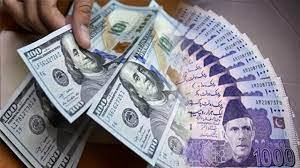

Why the Dollar to PKR Exchange Rate Matters
The dollar to PKR exchange rate is one of the most closely watched financial indicators in Pakistan. Whether you are a business owner, freelancer, student, traveler, or investor, changes in the value of the US dollar against the Pakistani Rupee can directly affect your financial decisions. Every fluctuation influences the prices of imported goods, foreign education costs, international travel expenses, and even online shopping. As Pakistan continues to engage in global trade, the exchange rate remains a crucial factor that reflects the country’s economic stability and international financial position.
People monitor the dollar to PKR rate daily because even small changes can have noticeable effects on the local economy. A stronger dollar generally means that imported products become more expensive, while a stronger rupee can reduce import costs and improve purchasing power. Understanding how this exchange rate works helps individuals and businesses prepare for economic changes more effectively.
What Causes Changes in the Dollar to PKR Rate?
The value of the dollar to PKR exchange rate changes due to several economic and financial factors. One of the primary reasons is the balance between the supply and demand of US dollars in Pakistan. When demand for dollars increases for imports, debt repayments, or international transactions, the dollar usually strengthens against the rupee.
Economic indicators such as inflation, foreign exchange reserves, exports, imports, and interest rates also play significant roles. Political stability and investor confidence can influence how international markets view Pakistan’s economy. If investors believe the economy is stable and growing, the rupee may gain strength. On the other hand, uncertainty or economic challenges often create pressure on the local currency, causing the dollar to appreciate.
Global market conditions also contribute to exchange rate movements. Since the US dollar serves as the world’s primary reserve currency, international events such as changes in oil prices, global inflation, and decisions by major central banks can indirectly affect the dollar to PKR exchange rate.
The Relationship Between Dollar to PKR and Inflation
Inflation and exchange rates are closely connected. When the dollar becomes more expensive compared to the Pakistani Rupee, imported goods cost more. Pakistan imports fuel, machinery, medical equipment, and many consumer products, so higher import costs often lead to increased prices across multiple sectors.
As businesses pay more for imported materials, they may pass these additional costs on to consumers. This can raise the prices of everyday items such as food, transportation, electronics, and household products. Over time, sustained increases in the dollar to PKR rate can contribute to broader inflation, affecting household budgets and reducing purchasing power.
Conversely, if the rupee strengthens against the dollar, import costs may decrease, helping stabilize prices and reducing inflationary pressure. However, exchange rates are only one part of the broader inflation picture, which also depends on domestic economic policies and market conditions.
How Businesses Respond to Dollar to PKR Fluctuations
Businesses across Pakistan pay close attention to movements in the dollar to PKR exchange rate because it directly impacts operational costs. Companies that import raw materials, machinery, or finished products often face higher expenses when the dollar appreciates. These increased costs can affect pricing strategies, profit margins, and long-term planning.
Export-oriented businesses may experience different effects. A weaker rupee can make Pakistani products more competitive in international markets because foreign buyers may find them relatively cheaper. This can increase export opportunities and improve foreign exchange earnings. However, exporters who rely heavily on imported raw materials may still face increased production costs, creating a mixed financial impact.
Many businesses manage exchange rate risks by planning purchases carefully, negotiating contracts in advance, or maintaining foreign currency accounts to reduce the effects of sudden market changes.
Why Freelancers and Overseas Pakistanis Track Dollar to PKR
The growing freelance industry has made the dollar to PKR exchange rate especially important for thousands of Pakistani professionals working with international clients. Freelancers who receive payments in US dollars often benefit when the dollar gains value against the rupee because their earnings convert into more local currency.
Similarly, overseas Pakistanis who send remittances to family members closely monitor exchange rates. A stronger dollar allows recipients in Pakistan to receive higher amounts in rupees for the same remittance value. Since remittances represent an important source of foreign exchange for Pakistan, changes in the exchange rate influence both individual households and the national economy.
Digital entrepreneurs, software developers, content creators, and online service providers also consider exchange rate movements while planning budgets and setting service prices for international clients.
The Impact of Dollar to PKR on Everyday Consumers
Many consumers may not actively follow financial news, but they often experience the effects of changes in the USD dollar to PKR today rate in Pakistan. Electronics, smartphones, laptops, vehicles, fuel, imported food products, cosmetics, and medicines often become more expensive when the dollar rises.
Students planning to study abroad face higher tuition fees and living expenses as exchange rates increase. Travelers also need more rupees to purchase foreign currency for international trips. Even local products can become more expensive if manufacturers depend on imported materials or equipment.
Understanding the relationship between exchange rates and consumer prices helps families make informed financial decisions, especially during periods of economic uncertainty.
Government Policies That Influence Dollar to PKR
Government institutions and financial authorities play important roles in maintaining exchange rate stability. Policies related to foreign exchange reserves, interest rates, imports, exports, taxation, and monetary management all contribute to the overall direction of the dollar to PKR exchange rate.
Increasing exports, encouraging foreign investment, promoting overseas remittances, and maintaining healthy foreign exchange reserves can strengthen the rupee over time. At the same time, responsible fiscal management and economic reforms help build investor confidence, which may contribute to greater currency stability.
International financial agreements and support from global lending institutions may also affect market confidence and influence exchange rate trends in both the short and long term.
How to Monitor Dollar to PKR Rates Accurately
Since exchange rates change frequently throughout the trading day, using reliable financial sources is important. Banks, licensed exchange companies, and recognized financial news platforms regularly publish updated dollar to PKR rates. Comparing multiple trusted sources provides a more accurate understanding of current market conditions.
It is also important to recognize that buying and selling rates may differ. Banks and exchange companies typically offer separate rates for purchasing and selling US dollars, depending on market demand and operating costs. Individuals planning international payments or currency exchanges should verify current rates before completing transactions.
Following financial news regularly helps users understand not only the latest exchange rate but also the economic events driving market movements.
Future Outlook for Dollar to PKR
Predicting future movements in the dollar to PKR exchange rate is challenging because many domestic and international factors influence currency markets simultaneously. Economic growth, inflation control, foreign investment, trade performance, and political stability all contribute to long-term exchange rate trends.
If Pakistan strengthens exports, attracts more foreign investment, and improves foreign exchange reserves, the rupee may become more stable over time. However, external factors such as global economic uncertainty, oil prices, and international financial conditions can continue to create fluctuations.
For individuals and businesses, the most practical approach is to stay informed through reliable financial information and prepare for changing market conditions rather than relying solely on short-term predictions.
Final Thoughts on Dollar to PKR
The dollar to PKR exchange rate is much more than a number displayed on financial websites. It influences business operations, consumer spending, investment decisions, education costs, international travel, freelancing income, and the overall economy. Every movement reflects a combination of local economic conditions and global financial developments.
Understanding how exchange rates work enables individuals to make smarter financial choices and better prepare for economic changes. Whether you are exchanging currency, managing a business, receiving international payments, or simply tracking the economy, staying informed about the dollar to PKR rate provides valuable insight into Pakistan’s financial landscape. As economic conditions continue to evolve, keeping a close watch on exchange rate trends remains an essential part of effective financial planning.