

Hospital Furniture for Modern Healthcare Facilities
Hospital furniture plays a vital role in creating a comfortable, safe, and efficient healthcare environment. Whether it is a large medical center, a private clinic, a diagnostic facility, or a specialized healthcare institution, the right hospital furniture helps improve patient care and supports healthcare professionals in their daily tasks. From patient beds and examination tables to medical storage cabinets and waiting room seating, every piece of furniture contributes to the overall functionality of a healthcare facility.
Healthcare environments require furniture that is durable, hygienic, and designed to meet the specific needs of patients and medical staff. Modern hospital furniture combines comfort, safety, and practicality while maintaining compliance with healthcare standards.
Importance of Hospital Furniture in Healthcare Settings
Hospital furniture is more than just equipment placed inside a healthcare facility. It directly impacts patient comfort, staff productivity, and operational efficiency. Well-designed hospital furniture helps create a positive experience for patients while allowing healthcare providers to perform their duties effectively.
Quality hospital furniture can help:
- Improve patient comfort and recovery.
- Support medical procedures and examinations.
- Enhance infection control measures.
- Maximize space utilization.
- Increase staff efficiency and convenience.
- Provide safe and ergonomic solutions for healthcare environments.
Selecting suitable hospital furniture ensures that healthcare facilities can deliver better patient care while maintaining a professional and organized environment.
Types of Hospital Furniture
Healthcare facilities require a wide range of hospital furniture to support different departments and medical functions.
Hospital Beds
Hospital beds are among the most important pieces of hospital furniture. They are designed to provide comfort and support for patients during treatment and recovery. Modern hospital beds often include adjustable features that allow healthcare providers to position patients appropriately for medical procedures and comfort.
Hospital beds are commonly used in:
- General wards
- Intensive care units
- Recovery rooms
- Emergency departments
- Long-term care facilities
Examination Tables
Examination tables are essential for patient assessments and medical consultations. These tables are designed to offer stability, comfort, and accessibility during examinations. They are widely used in clinics, hospitals, and diagnostic centers.
Features often associated with examination tables include:
- Adjustable positioning
- Easy-to-clean surfaces
- Comfortable padding
- Durable construction
Patient Chairs
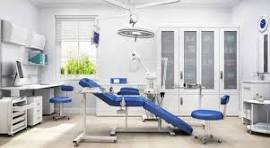
Patient chairs provide comfortable seating for individuals receiving treatment, consultations, or waiting for appointments. They are available in various designs to suit different healthcare applications.
Common uses include:
- Outpatient departments
- Dialysis centers
- Waiting areas
- Consultation rooms
Comfortable patient chairs contribute to a positive healthcare experience and improve patient satisfaction.
Medical Cabinets and Storage Units
Healthcare facilities require organized storage solutions for medical supplies, equipment, and documentation. Medical cabinets and storage units help maintain cleanliness and accessibility.
Benefits include:
- Improved organization
- Enhanced workflow efficiency
- Secure storage of supplies
- Better inventory management
Proper storage furniture is crucial for maintaining a safe and functional healthcare environment.
Bedside Cabinets
Bedside cabinets are commonly placed next to hospital beds to provide patients with convenient access to personal belongings and essential items. These units enhance patient comfort while supporting daily healthcare routines.
Key advantages include:
- Easy access to personal items
- Additional storage space
- Improved patient convenience
- Better room organization
Key Features of Quality Hospital Furniture
When selecting hospital furniture, healthcare facilities should focus on quality, durability, and functionality. Modern hospital furniture is designed to withstand demanding healthcare environments while maintaining patient comfort.
Durability
Hospital furniture is subjected to frequent use and must be capable of handling heavy workloads. Durable materials ensure long-term performance and reduce maintenance requirements.
Hygiene and Easy Maintenance
Maintaining cleanliness is a top priority in healthcare settings. Hospital furniture should feature surfaces that are easy to clean and resistant to moisture, stains, and contamination.
Ergonomic Design
Ergonomics plays an important role in healthcare environments. Furniture designed with ergonomic principles helps reduce physical strain on both patients and healthcare workers.
Safety Features
Safety is essential in medical facilities. Quality hospital furniture often includes features such as:
- Stable construction
- Smooth edges
- Secure locking mechanisms
- Adjustable components
- Anti-slip features
These elements help reduce risks and improve patient care.
Benefits of Modern Hospital Furniture
Investing in modern hospital furniture provides numerous advantages for healthcare facilities. The right furniture enhances operational efficiency while improving patient outcomes.
Improved Patient Comfort
Comfortable hospital furniture can positively influence the patient experience. Patients who feel comfortable are often more relaxed during treatment and recovery.
Enhanced Healthcare Efficiency
Functional furniture helps healthcare professionals work more efficiently by improving accessibility and reducing unnecessary movement.
Better Space Management
Healthcare facilities often have limited space. Well-designed hospital furniture helps maximize available space while maintaining an organized environment.
Professional Appearance
Modern hospital furniture contributes to a clean and professional atmosphere. A well-furnished healthcare facility creates a positive impression on patients and visitors.
Hospital Furniture for Different Healthcare Environments
Different healthcare settings require specialized hospital furniture solutions.
Hospitals
Large hospitals require comprehensive furniture solutions, including patient beds, examination tables, medical carts, storage units, and waiting room furniture.
Clinics
Clinics often focus on examination furniture, consultation room furniture, and patient seating to support routine healthcare services.
Diagnostic Centers
Diagnostic facilities require furniture designed to support imaging procedures, laboratory activities, and patient assessments.
Nursing Homes
Long-term care facilities benefit from comfortable hospital furniture that supports elderly residents and promotes independence.
Rehabilitation Centers
Rehabilitation facilities require furniture that supports therapy sessions, patient mobility, and recovery programs.
Factors to Consider When Choosing Hospital Furniture
Healthcare administrators should evaluate several factors when selecting hospital furniture.
Functionality
Furniture should meet the operational requirements of the healthcare facility and support daily medical activities.
Patient Needs
Patient comfort, accessibility, and safety should remain a priority during the selection process.
Material Quality
High-quality materials contribute to durability, hygiene, and long-term value.
Maintenance Requirements
Furniture that is easy to clean and maintain helps support infection control protocols and reduces operational costs.
Flexibility
Adaptable furniture solutions allow healthcare facilities to respond to changing patient needs and evolving healthcare practices.
Future Trends in Hospital Furniture
The healthcare industry continues to evolve, and hospital furniture is becoming increasingly advanced. Modern designs focus on improving patient comfort, staff efficiency, and infection prevention.
Emerging trends include:
- Smart hospital furniture integration
- Enhanced ergonomic designs
- Space-saving furniture solutions
- Sustainable manufacturing practices
- Improved patient-centered features
These innovations help healthcare facilities create safer and more efficient environments while supporting high standards of patient care.
Conclusion
Hospital furniture is an essential component of every healthcare facility. From hospital beds and examination tables to patient chairs and medical storage units, quality hospital furniture supports patient comfort, staff productivity, and healthcare efficiency. Choosing durable, hygienic, and ergonomic hospital furniture helps healthcare organizations create safe and functional environments that promote excellent patient care. As healthcare needs continue to evolve, investing in modern hospital furniture remains a key factor in improving healthcare delivery and overall facility performance.