

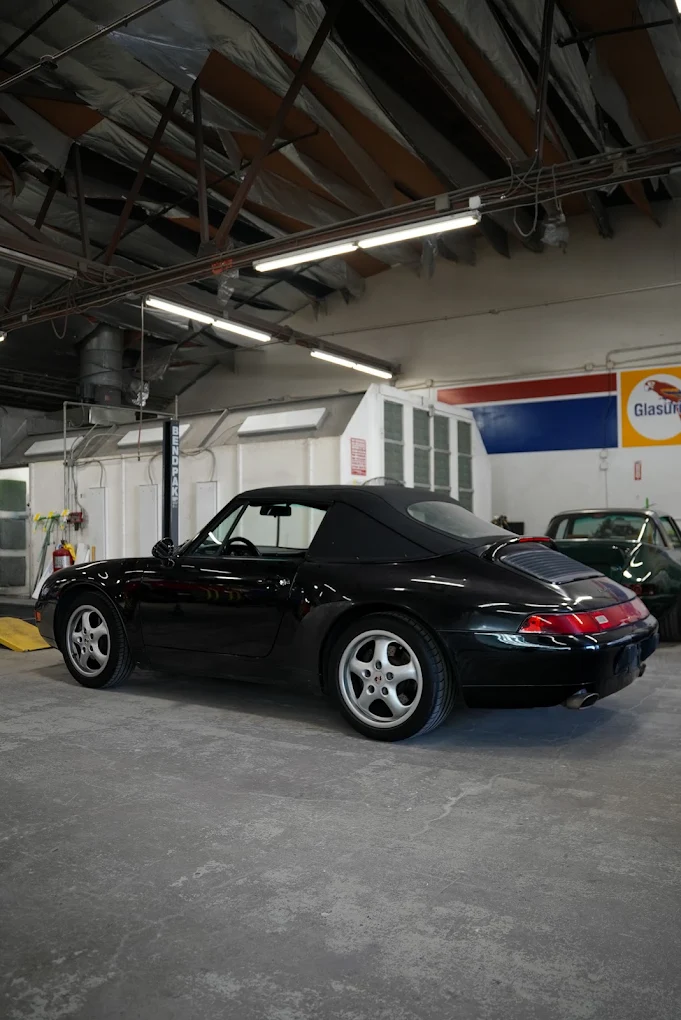

Whether repairing a minor fender, restoring a classic vehicle, or refinishing a custom build, color matching is one of the most demanding stages of the entire process. The goal isn’t just to paint a panel—it’s to make that panel appear as though it has always belonged there.
Over the years, I’ve noticed that many vehicle owners assume every car with the same factory paint code will look identical. In reality, two vehicles with the same code can still have noticeable differences because of age, weather exposure, manufacturing variations, and previous repairs. That’s why professional color matching relies on much more than simply reading a label.
Why Factory Paint Codes Are Only the Starting Point
Every vehicle leaves the factory with a designated paint code, but that code represents a formula rather than a perfect guarantee.
Several factors influence how the paint appears years later, including:
- Sun exposure
- Oxidation
- Environmental conditions
- Previous polishing
- Manufacturing batch variations
- Age of the finish
As a result, experienced painters treat the factory code as a reference rather than the final answer.
The surrounding panels always guide the final adjustment.
Understanding How Paint Ages
Paint changes gradually throughout a vehicle’s life.
Even well-maintained vehicles experience subtle shifts in color and gloss.
Common changes include:
- Slight fading
- Reduced depth
- Clear coat aging
- Surface oxidation
- Environmental staining
These changes mean that freshly mixed paint often requires fine adjustments before it perfectly matches the existing finish.
Ignoring these natural variations can leave repaired panels looking slightly lighter, darker, or richer than adjacent areas.
Modern Technology Improves Accuracy
Today’s collision repair facilities often use advanced color-matching technology to assist painters.
These systems may include:
- Digital color scanners
- Computerized paint databases
- Formula adjustment software
- Spray-out comparison cards
Technology provides an excellent starting point, but experienced painters still rely heavily on visual evaluation under different lighting conditions.
The human eye remains one of the most valuable tools in the paint booth.
Spray-Out Cards Prevent Costly Mistakes
Before painting the actual vehicle, professionals frequently create sample panels known as spray-out cards.
These allow technicians to compare:
- Color accuracy
- Metallic orientation
- Pearl effects
- Gloss level
- Overall appearance
Testing the formula first helps identify small adjustments before paint reaches the repaired panel.
Although this step takes additional time, it often prevents expensive refinishing later.
Insider Tip
If you’re having a single panel repaired, ask whether the shop creates spray-out samples before painting. It’s a simple question that often reveals how much attention they give to achieving an accurate color match rather than relying entirely on factory formulas.
Blending Creates a Natural Transition
One of the most effective techniques for producing invisible repairs is paint blending.
Rather than stopping the new color at the edge of the repaired panel, technicians gradually transition the color into adjacent panels.
Blending helps:
- Minimize slight color differences
- Maintain visual consistency
- Create seamless transitions
- Reduce noticeable repair lines
When performed correctly, it becomes extremely difficult to identify where the repaired area begins or ends.
Metallic and Pearl Finishes Require Extra Precision
Modern automotive finishes often contain metallic or pearl particles.
These coatings create depth and reflection, but they also increase the complexity of color matching.
The final appearance depends on:
- Spray gun angle
- Application speed
- Air pressure
- Coating thickness
- Flash times
Small differences in technique can noticeably alter how metallic particles reflect light.
This is one reason experienced painters consistently practice controlled application methods.
Lighting Can Change Everything
A repair that appears perfect indoors may look different outside.
Professional painters evaluate color under multiple lighting conditions, including:
- Natural sunlight
- Shade
- LED lighting
- Fluorescent lighting
Viewing the vehicle in different environments helps identify subtle variations that may otherwise go unnoticed until the owner drives away.
Insider Tip
If you’re inspecting completed paintwork, don’t rely solely on the lighting inside the shop. Walk around the vehicle outdoors if possible. Natural sunlight often reveals details that artificial lighting can hide, making it much easier to judge the quality of the color match.
Surface Preparation Influences Color
Color matching begins long before the first coat of paint is applied.
Proper preparation includes:
- Cleaning contaminants
- Correcting imperfections
- Sanding consistently
- Applying suitable primer
- Creating a uniform surface
Variations beneath the paint can influence how the final color appears.
Even perfectly mixed paint may look different if applied over inconsistent surface preparation.
Clear Coat Affects the Final Appearance
The clear coat does more than protect the paint.
It also influences:
- Gloss
- Depth
- Light reflection
- Color perception
Experienced painters understand that achieving an invisible repair depends on both the base coat and the clear coat working together.
Uniform application across the repaired area helps maintain consistency with surrounding panels.
Learn from Experienced Automotive Refinishing Professionals
Color matching is both a science and a craft that continues to evolve alongside modern paint technologies. Understanding refinishing methods, surface preparation, restoration techniques, and collision repair processes helps vehicle owners appreciate the work involved in creating seamless repairs. For additional insights based on real-world experience, you can explore the educational resources available at perfect lines restoration, where professionals share practical guidance on automotive restoration and refinishing.
Final Inspection Makes the Difference
Before a repaired vehicle is returned, experienced technicians carefully inspect the finish from multiple perspectives.
They evaluate:
- Panel consistency
- Reflection quality
- Gloss uniformity
- Edge transitions
- Color accuracy
Small refinements during this stage often transform an excellent repair into one that appears completely invisible.
Patience remains one of the most valuable tools throughout the entire finishing process.
Experience Still Matters Most
Although paint technology continues to improve, achieving an invisible repair still depends heavily on craftsmanship.
Experienced painters recognize subtle differences in:
- Color tone
- Metallic distribution
- Surface reflection
- Application technique
These observations allow them to make adjustments that computers alone cannot always predict.
Technology supports the process, but skilled judgment continues to define the final result.
Final Thoughts
Creating an invisible repair involves much more than selecting the correct paint code. It requires understanding how automotive finishes age, carefully preparing every surface, blending adjacent panels, evaluating color under different lighting conditions, and applying coatings with exceptional precision.
Also read for more information so click here.