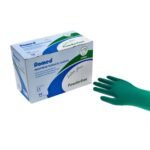

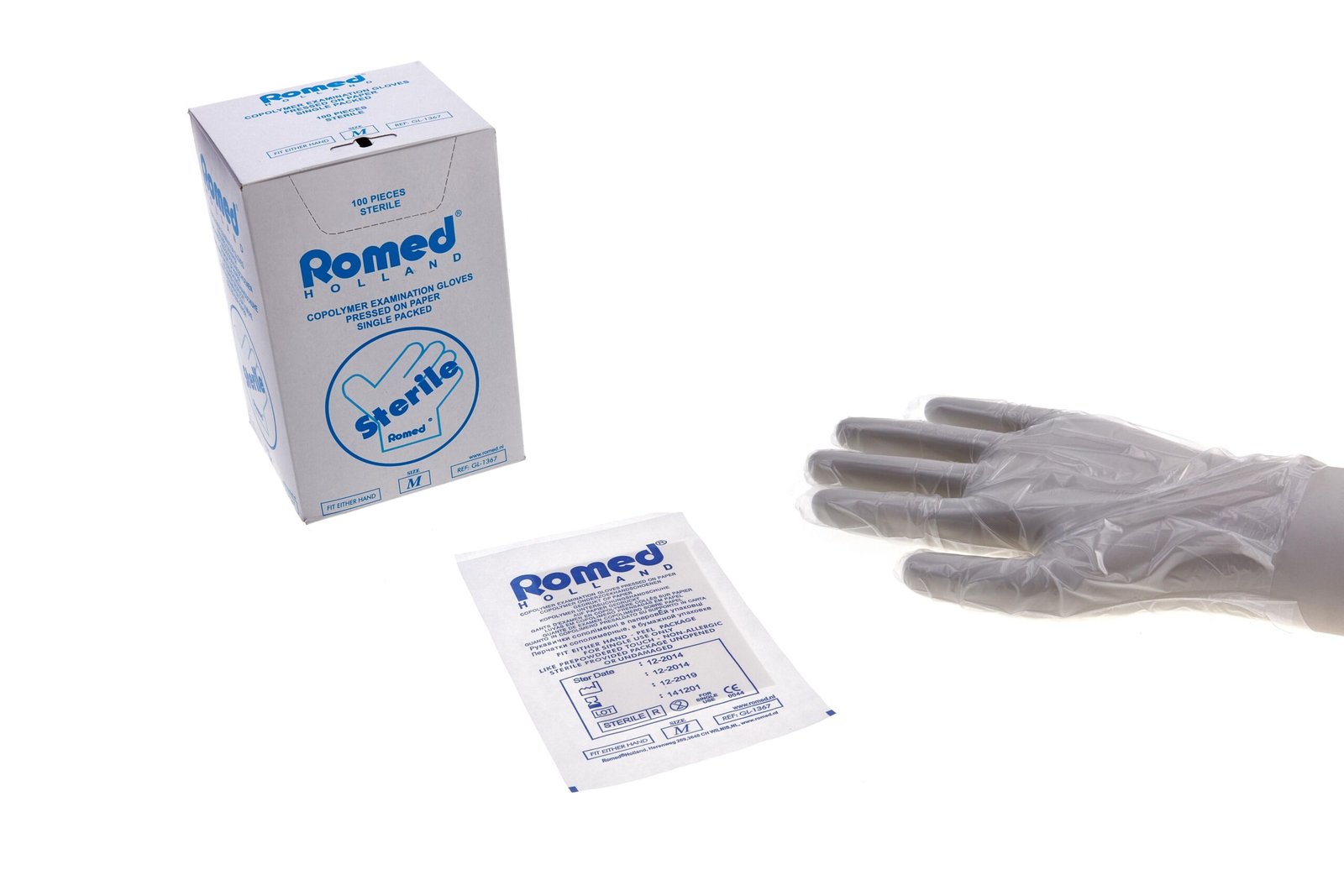

In healthcare, hygiene, safety, and infection control are of paramount importance. One of the simplest measures that ensure the wellbeing of medical staff and patients is the use of examination gloves. Latex and powder free gloves have seen a significant increase in popularity due to the high level of protection and reduced risk of allergic reactions they provide.
There are many types of examination gloves, but nitrile examination gloves are the preferred choice of thousands of hospital employees, lab workers, dentists, and other professionals. Their high standard of protection, comfort, and resistance to chemicals makes them a popular choice among medical workers.
What Are Examination Gloves?
Examination gloves are single-use gloves that serve to provide a barrier between the skin and contaminants. They prevent the transfer of bacteria, viruses, and other harmful microorganisms to the wearer and the environment.
They are used in a wide range of settings such as:
• Hospitals and medical clinics
• Dentist offices
• Diagnostic labs
• Veterinary clinics
• Nursing facilities
• Pharmaceutical companies
• Food production
• Cosmetic salons
Each of these settings has unique requirements and uses for medical examination gloves, and the type of material greatly impacts which gloves to choose.
Why Choose Latex and Powder Free Gloves?
Latex and powder free examination gloves are a popular replacement for traditional powdered latex gloves.
The benefits of using latex and powder free gloves include:
• Lower risk of latex allergies
• Latex and powder free gloves do not cause allergic reactions in most patients and medical staff
• The absence of powder reduces contamination risks
• Easier infection control and reduction of airborne particles
• Higher comfort level due to greater flexibility and breathability
Why Nitrile Examination Gloves Are a Preferred Choice
In terms of medical examination gloves, nitrile has proven itself to be one of the most popular materials. Nitrile examination gloves provide a high level of protection, flexibility, and comfort.
They offer a wide range of benefits including:
Greater Puncture Resistance
Nitrile examination gloves have a much higher resistance to punctures and tears as compared to other materials.
Higher Resistance to Chemicals
Nitrile provides excellent protection from sharp objects, chemicals, and other foreign substances.
Comfort Fit and Flexibility
Nitrile examination gloves are soft and flexible enough to allow the worker to perform delicate operations without discomfort.
Latex-Free Material
Nitrile examination gloves do not contain any latex proteins, thus eliminating the possibility of a latex allergy.
Strong and Reliable Barrier Protection
Nitrile examination gloves provide a highly reliable barrier against pathogens, reducing the chances of cross-contamination.
Who Needs Nitrile Examination Gloves?
Nitrile examination gloves are a popular choice among different industries because of their versatility and high level of protection.
Healthcare Professionals
Nitrile examination gloves are used in all kinds of healthcare settings. Doctors, nurses, and other healthcare professionals use them to ensure the wellbeing of their patients.
Dentists
Most dental practices have switched to nitrile examination gloves due to their high tactile sensitivity, puncture resistance, and comfort.
Lab Workers
Lab workers are exposed to a wide range of chemicals. Nitrile examination gloves provide excellent protection from foreign substances like bacteria and viruses.
The Food Industry
Many food companies use nitrile examination gloves to ensure the highest level of hygiene and prevent food contamination.
The Beauty and Cosmetic Industry
Tattoo artists, hairdressers, estheticians, and other representatives of the beauty industry use powder free examination gloves to prevent cross-contamination and ensure excellent results.
What to Look For in Examination Gloves?
Most professionals in the healthcare and beauty industries choose nitrile examination gloves due to their comfort, flexibility, puncture resistance, strong barrier protection, and high level of hygiene. A good pair of examination gloves should be:
• Latex free
• Powder free
• Highly puncture-resistant
• Comfortable to wear
• Have a textured surface for increased grip
• Be ambidextrous
• Have excellent tear resistance
• Meet international standards
Powder-Free Gloves Help Establish a Higher Standard of Hygiene in the Workplace
One of the major advantages of using latex and powder free gloves is the increased level of hygiene they provide. The powder that comes with traditional examination gloves often ends up on equipment and other surfaces, contaminating them. Powder free gloves eliminate this problem, establishing a higher standard of hygiene in the workplace.
Healthcare facilities are especially encouraged to switch to powder free examination gloves due to the significantly increased risk of contamination.
Why More Healthcare Facilities Are Switching to Nitrile Examination Gloves
Medical institutions and clinics are adopting nitrile examination gloves for a variety of reasons.
Switching to nitrile examination gloves leads to reduced risk of latex allergies, higher puncture resistance, increased safety and comfort, and greater resistance to bacteria and other pathogens. Moreover, nitrile examination gloves have a longer shelf life and are tear-resistant.
Nitrile examination gloves offer excellent tactile sensitivity, making them suitable for a wide range of medical procedures. Their puncture resistance and comfort also make them a good choice for prolonged use.
How to Use Examination Gloves
To ensure maximum level of protection, it is important to put on examination gloves properly. Several rules should be followed when using examination gloves:
1. Wash hands before putting on examination gloves
2. Make sure the gloves are not torn or damaged
3. Change gloves between patients or whenever the gloves are torn or damaged
4. Always dispose of the used gloves in accordance with local regulations
5. Remove the gloves carefully to avoid damaging them
6. Wash hands after removing gloves
The correct use of examination gloves plays an important role in reducing the risk of infection.
Environmental Friendliness and Future Developments
In the current environmental context, it is important to make sure that the production and disposal of medical gloves follows eco-friendly guidelines. The production process of most companies is becoming more sustainable with each year, relying on renewable resources and reducing the impact on the environment. The reduced use of plastic and the implementation of closed-loop systems allow companies to reduce emissions and achieve long-term sustainability. The healthcare facilities also play an important role in this process by choosing the right type of gloves and disposing of them properly.
Conclusion
When it comes to choosing the best examination gloves, there are several factors to consider. Latex and powder free examination gloves have a significantly lower risk of causing allergic reactions and offer a higher level of protection. As for materials, nitrile examination gloves have proven to be one of the best options due to their high level of puncture resistance, comfort, flexibility, and reliability.
Nitrile examination gloves can be used in a variety of settings including hospitals, labs, and nursing facilities. The high level of protection and comfort offered by these gloves makes them a popular choice among healthcare professionals, including doctors, nurses, and dentists.
Nitrile examination gloves are a great option for anyone seeking to reduce the risk of infection while maintaining a high level of comfort. These gloves are used in the healthcare, food, and beauty industries, offering superior protection against pathogens and other foreign substances.