

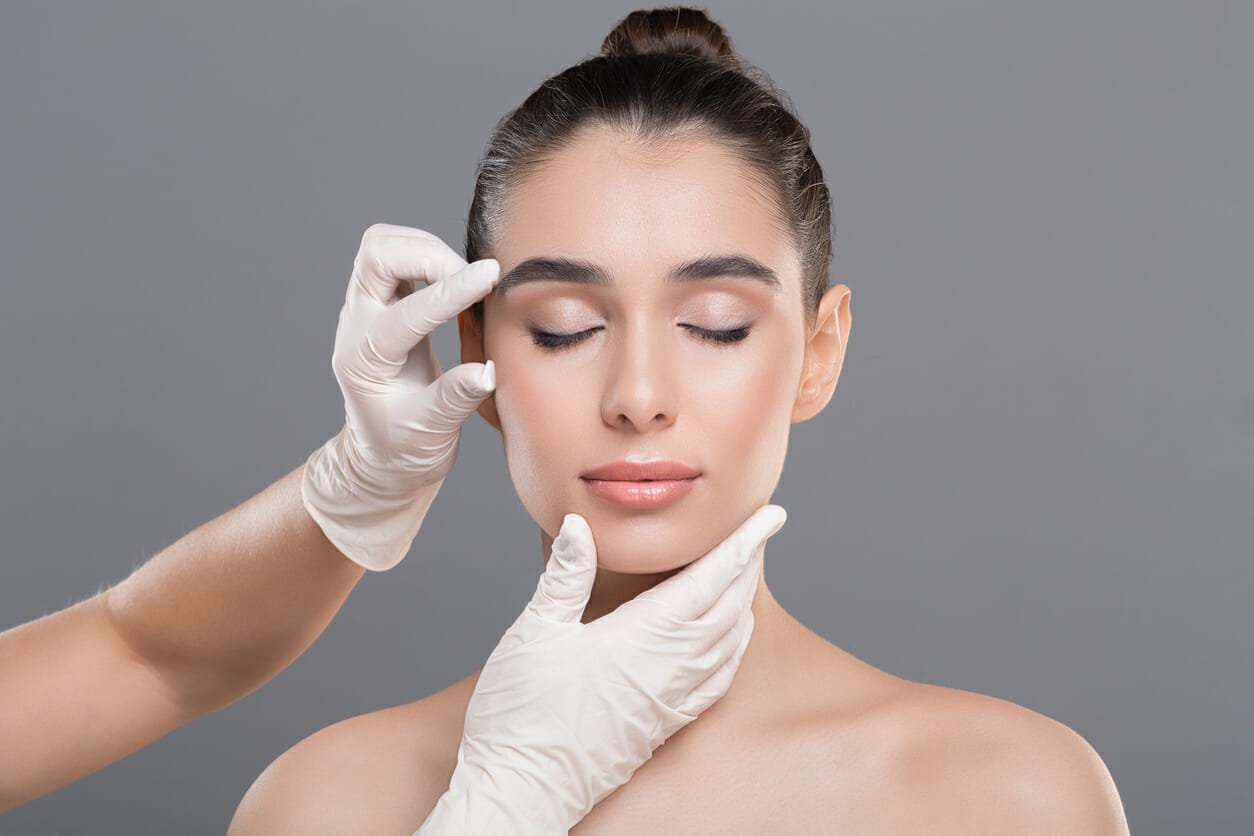

A rhytidectomy, universally known as a facelift, represents the gold standard in facial rejuvenation. Whether opting for a classic deep-plane facelift, a mini facelift, or a comprehensive face and neck lift combination, this intricate procedure structurally reposhens lax muscle tissue, shifts deep fat pads, and drapes skin to restore a crisp, youthful jawline and vibrant midface contours. Patients invest significant time researching elite board-certified plastic surgeons, reviewing meticulous clinical portfolios, and preparing mentally for their structural evolution.
However, the surgical incision is only the architectural blueprint. The final aesthetic success—how seamlessly your scars fade, how quickly your swelling resolves, and how flawlessly your contours align—is determined by the quality of your post-operative environment. The initial 72 hours following a rhytidectomy are exceptionally delicate. The face contains a dense network of complex blood vessels, fragile sensory nerves, and intricate structural tissue flaps that require rigorous, hyper-focused medical oversight.
Prioritizing specialized nursing care for facelift recovery transitions your healing timeline from a period of physical vulnerability into a safe, comfortable, and optimized clinical experience. Having a dedicated, private duty aesthetic nurse manage your immediate post-surgical care directly in the comfort of your home protects your medical safety, eliminates anxiety, and safeguards your surgical investment.
The Complex Realities of Early Facelift Healing
When you are discharged from an outpatient surgical pavilion, you are recovering from heavy anesthesia, physically compromised, and navigating a complex cascade of physiological changes. While your surgeon ensured you met strict stability metrics prior to departure, executing a highly specialized, continuous facial care protocol at home can easily overwhelm an untrained caregiver.
Facial surgery introduces unique anatomical considerations that demand professional clinical management:
Vigilant Hematoma Detection: A hematoma—a collection of blood that pools under the skin flap—is the most common acute complication following a facelift. It typically manifests within the first 24 to 48 hours. If left unchecked, the localized pressure can severely compromise blood flow to the newly draped facial skin, causing irreversible tissue damage (necrosis). A trained nurse evaluates your facial symmetry and skin firmness continuously to catch the micro-signs of a hematoma long before an untrained eye can notice.
Dynamic Blood Pressure Control: Managing post-surgical discomfort and anxiety isn’t just a matter of comfort; it is a clinical necessity. Spikes in blood pressure (hypertension) can directly cause internal bleeding along the fresh surgical planes. Keeping a patient calm, hydrated, and precisely medicated protects the fragile, underlying blood vessels.
Lymphatic Pooling and Swelling: Because a facelift temporarily disrupts the facial lymphatic pathways, fluid accumulates rapidly in the cheeks, jawline, and under the eyes. Managing this swelling proactively is essential, as excessive fluid stretches the delicate tissues and can compromise stitch lines.
Periauricular and Hairline Wound Integrity: Incisions are meticulously placed around the ears and within the hairline to ensure ultimate concealment. These lines must be kept pristine, dry, and sterile. Improper cleaning or friction from clothing can introduce bacteria, leading to widening scars or localized infection.
Why a Dedicated Aesthetic Nurse Outperforms a Family Caregiver
Relying on a close friend, partner, or family member during your recovery is highly comforting emotionally, but it introduces vast clinical risks. A loved one lacks the medical background required to distinguish standard post-operative facial swelling from a surgical emergency. They may hesitate to thoroughly clean intricate suture lines due to fear of hurting you, or they may feel entirely overwhelmed by the tracking of rotating medication intervals.
When you secure a professional private nurse, you bring a licensed Registered Nurse (RN) or Licensed Vocational Nurse (LVN) into your home who operates entirely within the language of aesthetic medicine. Your personal nurse tracks your vital signs, handles all sterile dressing changes, administers prescribed medications proactively, and monitors the color, temperature, and capillary refill of your facial skin flaps. If a subtle clinical variance arises, your nurse communicates directly with your plastic surgeon’s office in professional clinical terms, resolving the issue seamlessly before it requires an emergency room visit.
Technical Elements of Comprehensive Facelift Nursing Care
A specialized plastic surgery nurse customizes their entire workflow to address the specific anatomical footprint of a facial rejuvenation procedure:
1. Precision Gravitational Elevation
To minimize the rapid accumulation of lymphatic fluid in the face, a patient must maintain a strict 45-degree upper body elevation at all times, including during deep sleep. Your nurse expertly organizes your recovery bed with supportive wedge systems and ensures your head remains completely straight, avoiding any lateral rotation that could kink a fresh blood vessel or put stress on a unilateral suture line.
2. Systematic Cold Compress Therapy
Applying ice to a fresh facelift requires a gentle, calculated touch. Direct weight from heavy ice packs can crush fragile skin flaps and compromise blood flow. Your nurse manages structured, lightweight cold compress schedules using specific, sterile thermal wraps, reducing localized inflammation without placing physical pressure on your new jawline or neck contours.
3. Aggressive Nausea Elimination
Post-operative nausea and vomiting (PONV) present a severe danger to a facelift patient. The physical straining, dry heaving, and facial pressure associated with vomiting can instantaneously burst delicate internal sutures and cause active hematomas. An in-home nurse monitors your responses to anesthesia carefully and administers antiemetics (anti-nausea medications) proactively, ensuring your facial muscles remain completely resting and stress-free.
Inside a Specialized Facial Recovery Shift
To understand the profound difference professional clinical oversight makes, look at how a specialized recovery nurse structures their interventions to protect your health and your results:
The Luxury of Total Discretion and Privacy
Facial rejuvenation is an incredibly personal choice, and maintaining absolute confidentiality is often a top priority for patients. Recovering in a commercial recovery center or an institutional care facility presents multiple privacy hurdles, including shared corridors, unvetted staff rotations, and the risk of public exposure during a period when you are significantly bruised and swollen.
Hiring a private duty nurse allows you to transform your personal residence or a luxury hotel suite into a secure, fully private medical sanctuary. Your personal nurse acts as a professional, quiet shield between you and the outside world. They handle all essential logistics—coordinating seamlessly with your private transport driver, picking up prescriptions at the pharmacy, and managing interactions with building security or hotel staff—allowing you to heal in complete anonymity and luxury.
When looking for the perfect clinical specialist to guide you through this sensitive period, it is vital to select professionals who specialize exclusively in post-operative aesthetic care. For individuals seeking elite, discreet, and highly tailored in-home care, Plastic Surgery Nurse connects patients with dedicated recovery specialists who understand the rigorous standards of premium post-operative care, helping you heal safely while protecting your final aesthetic results.
Staging Your Home for an Optimal Facelift Recovery
To give your personal nurse the ideal environment to care for you, your recovery zone should be completely prepared and staged prior to your surgery date. Taking these proactive steps allows your transition from the surgical suite to your bed to be seamless:
Opt for Dark Linens: Always dress your recovery bed or lounge recliner with dark-colored sheets and pillowcases. Minor fluid weeping and localized drainage from behind the ears are a completely normal part of early facelift healing, and dark fabrics prevent unnecessary worry over stained bedding.
Establish a Clinical Command Center: Clear off a sturdy bedside table or vanity to serve as your nurse’s primary medical station. This area will be used to organize your medication charts, prescription bottles, sterile dressing supplies, and clinical logs.
Stock Soft, Low-Sodium Foods: Chewing hard or crunchy foods during the first week can place immense strain on your fresh jawline and neck musculature. Stock your kitchen with high-protein smoothies, soft avocados, bone broths, and easily digestible purees. Keeping your sodium intake low is critical to preventing excess water retention and facial swelling.
Remove Hidden Tripping Hazards: Clear all wide pathways between your bed and the bathroom of loose rugs, extension cords, or clutter. Post-operative grogginess combined with temporary vision obscurities from swelling or head wraps makes a completely clear path essential for preventing falls.
Understanding Crucial Post-Operative Red Flags
While having a specialized nurse present provides immense safety, both you and your loved ones should remain educated on critical warning signs that demand immediate medical escalation or emergency care:
Sudden Air Hunger or Chest Pain: A feeling of breathlessness, sudden coughing, or sharp pain in the chest can indicate a pulmonary embolism, which is a life-threatening medical emergency.
Sudden, Asymmetric Facial Swelling: If one side of your face or neck swells drastically faster, turns dark purple, or feels significantly harder than the matching side, it points to an active internal bleed (hematoma) that requires immediate surgical attention.
A Spiking Fever: A body temperature rising above 101°F, especially when paired with spreading redness, localized heat, or foul-smelling fluid around your hairline or ear incisions, indicates a developing infection.
Severe, Continuous Vomiting: An inability to retain necessary fluids or vital oral pain medications due to unmanageable post-anesthesia nausea.
Conclusion: Honor Your Healing Process
A facelift is a beautiful, deeply empowering investment in your confidence and vibrancy. However, your surgeon’s meticulous work concludes when the final layer of sutures is tied in the operating theater. From that exact second onward, the trajectory of your transformation is placed entirely into the hands of your recovery protocol.
Prioritizing specialized nursing care for facelift recovery strips away the fear, confusion, and physical vulnerability that often mar the early post-operative days. Professional clinical oversight protects your health, reduces the incidence of painful complications, and ensures that your new structural contours heal smoothly and perfectly. Do not leave the final stage of your transformation to chance—give your body the professional medical care it truly deserves.