

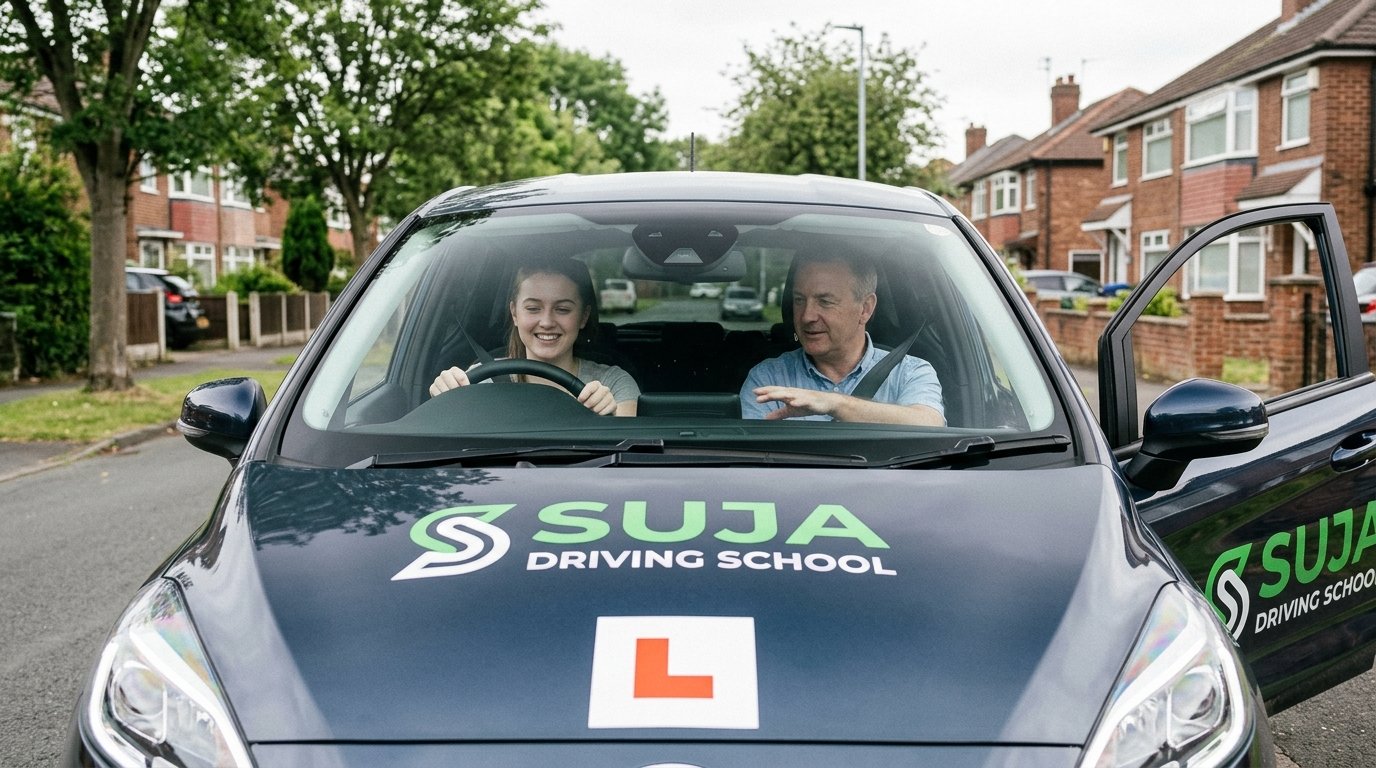

Getting your driving licence is an exciting achievement, but long waiting times for practical tests often slow the process down. Fortunately, cancellation appointments give learner drivers the chance to book an earlier test date. If you’ve managed to secure a short notice driving test Manchester, you may only have a few days to prepare before facing the examiner.
Although the limited preparation time may seem stressful, it doesn’t mean you’re at a disadvantage. If you’ve already completed most of your driving lessons, the final week should be about improving consistency rather than learning new skills. A focused plan can help you strengthen weak areas, build confidence, and approach your practical test with the right mindset.
This article outlines a simple seven-day preparation plan that can help learners use their remaining time effectively.
Why a Structured Plan Makes a Difference
Many learners spend the final days before their test driving aimlessly, hoping that more time behind the wheel will automatically improve their performance.
Instead, having a daily objective allows you to:
- Concentrate on specific skills
- Measure your progress
- Build confidence gradually
- Reduce unnecessary stress
- Identify weaknesses before test day
Quality practice is often more valuable than simply increasing the number of driving hours.
Day 1: Evaluate Your Current Driving Ability
Begin by asking your instructor for an honest assessment.
Find out:
- Which driving skills are already test-ready
- Which mistakes occur repeatedly
- Which manoeuvres need more practice
- Whether your observations are consistent
Understanding your current level helps you spend the rest of the week improving the areas that matter most.
Day 2: Focus on Road Positioning
Incorrect positioning is a common reason learners receive driving faults.
Spend this session practising:
- Lane discipline
- Approaching roundabouts
- Turning at junctions
- Maintaining safe distances
- Correct positioning before turning
Smooth positioning makes driving appear controlled and confident.
Day 3: Improve Observation and Hazard Awareness
Observation is one of the most important skills assessed during a practical driving test.
Practice looking well ahead instead of focusing only on the vehicle directly in front of you.
Pay attention to:
- Pedestrian crossings
- Cyclists
- Parked vehicles
- Emerging traffic
- Speed limit changes
- Road signs
Developing strong observation habits helps you respond calmly to changing road conditions.
Day 4: Practise Manoeuvres
Although only one manoeuvre is usually included during the practical test, every learner should feel comfortable performing all of them.
Spend time practising:
- Parallel parking
- Reverse bay parking
- Forward bay parking
- Pulling up on the right
Remember that accuracy is more important than speed.
Taking your time demonstrates safe vehicle control.
Day 5: Complete an Independent Mock Test
Today’s goal is to recreate the actual driving test.
Ask your instructor to:
- Give directions only when necessary
- Avoid coaching during the drive
- Record any driving faults
- Discuss improvements after the lesson
Mock tests help reduce surprises on the real assessment day and build confidence under pressure.
Day 6: Drive in Challenging Conditions
Manchester drivers experience a wide variety of traffic situations.
If possible, practise in:
- Busy town centres
- Residential areas
- Dual carriageways
- Multi-lane roundabouts
- School zones
- Heavy traffic
Experiencing different driving environments helps you remain calm regardless of the route chosen by the examiner.
Day 7: Prepare Yourself, Not Just the Car
The day before your test should focus on preparation rather than intensive driving.
Take time to:
- Review any final advice from your instructor
- Confirm your test time
- Check your provisional licence
- Get plenty of rest
- Avoid unnecessary stress
Trying to learn new techniques at the last minute usually creates more anxiety than confidence.
Habits That Impress Driving Examiners
Examiners aren’t looking for perfect drivers.
They’re looking for drivers who consistently make safe decisions.
Positive habits include:
- Regular mirror checks
- Smooth braking
- Gradual acceleration
- Correct signalling
- Appropriate speed selection
- Careful observations at junctions
Developing these habits naturally throughout your lessons makes them easier to demonstrate during the test.
Avoid These Last-Minute Mistakes
Many learners accidentally reduce their chances of passing by making avoidable decisions before test day.
Try not to:
- Skip meals because of nerves
- Stay up late the night before
- Overthink every minor mistake
- Rush to the test centre
- Ignore instructor feedback
Confidence comes from preparation, not perfection.
Why Local Experience Matters
Every town has unique traffic patterns, road layouts, and busy areas. Learning with instructors who regularly teach around Manchester allows you to gain experience in the types of environments you may encounter during your practical assessment.
What Happens If You Don’t Pass?
Failing a driving test can be disappointing, but it should also be viewed as valuable experience.
Many successful drivers didn’t pass on their first attempt.
After receiving your result:
- Review the examiner’s feedback.
- Focus on the areas requiring improvement.
- Continue practising consistently.
- Rebook when you feel ready.
Every lesson brings you closer to becoming a safer and more confident driver.
You may also explore about insurance program.
Final Thoughts
A short notice driving test Manchester appointment doesn’t have to feel overwhelming. With a clear preparation plan, focused practice, and guidance from an experienced instructor, you can use the final days before your assessment effectively.
Rather than trying to master everything at once, concentrate on improving your weakest areas, building confidence, and developing safe driving habits. A structured approach not only increases your chances of passing but also helps you become a more capable driver long after the test is over.