


Why Search for a Surgical Instruments Manufacturer Near Me?
Finding a reliable surgical instruments manufacturer near me is one of the most important decisions for hospitals, clinics, healthcare distributors, and medical professionals. Surgical instruments are essential for performing safe and accurate medical procedures, making quality and precision critical factors in every purchase. A trusted local manufacturer provides not only dependable products but also faster communication, timely deliveries, and better after-sales support.
Healthcare facilities rely on surgical instruments every day for operations ranging from minor outpatient procedures to highly specialized surgeries. Choosing a nearby manufacturer allows buyers to establish stronger business relationships while ensuring a consistent supply of instruments that meet professional healthcare standards.
The Importance of High-Quality Surgical Instruments
Surgical instruments directly influence the success of medical procedures. Every tool used in an operating room must perform accurately, maintain its durability, and support the surgeon’s movements with precision. High-quality instruments reduce the likelihood of complications while improving efficiency during surgery.
Manufacturers dedicate significant attention to selecting premium materials, maintaining strict production standards, and conducting detailed inspections before products reach healthcare providers. Precision engineering ensures that instruments remain reliable even after repeated sterilization and frequent clinical use.
Because patient safety depends heavily on the quality of surgical equipment, healthcare professionals consistently seek manufacturers known for excellence and long-term reliability.
How Local Manufacturers Support Healthcare Providers
Searching for a surgical instruments manufacturer near me often provides advantages that extend beyond product availability. Local manufacturers can usually respond more quickly to customer inquiries, production requests, and urgent delivery requirements. Faster turnaround times help hospitals and clinics maintain uninterrupted surgical schedules.
Proximity also makes it easier for buyers to visit manufacturing facilities, evaluate production quality, and discuss customized requirements directly with technical teams. Personal communication builds trust while improving collaboration on future projects.
For distributors and medical suppliers, working with nearby manufacturers often simplifies inventory planning and reduces transportation costs, creating a more efficient supply chain.
Modern Manufacturing Has Improved Surgical Instrument Quality
Advancements in manufacturing technology have transformed the production of surgical instruments. Precision machining, laser cutting, automated polishing systems, and digital quality inspection tools now allow manufacturers to produce instruments with exceptional consistency and accuracy.
Computer-assisted manufacturing processes help minimize production variations while maintaining strict dimensional tolerances. Modern finishing techniques improve surface quality, making instruments easier to clean and more resistant to corrosion.
These technological improvements allow manufacturers to produce surgical instruments capable of meeting the growing demands of modern healthcare environments where precision and reliability are essential.
Materials Used in Surgical Instrument Manufacturing
The performance of surgical instruments depends greatly on the materials selected during production. Premium stainless steel remains one of the most widely used materials because it offers excellent strength, corrosion resistance, and durability. High-quality alloys provide additional hardness while maintaining the flexibility required for specialized surgical procedures.
Manufacturers carefully evaluate material properties to ensure instruments withstand repeated sterilization without losing their performance. Proper heat treatment and finishing processes further improve durability and extend the useful life of each instrument.
Material selection is one of the defining characteristics that separates reputable manufacturers from lower-quality suppliers.
Surgical Instruments for Different Medical Specialties
Healthcare professionals across many specialties require surgical instruments designed specifically for their clinical procedures. General surgeons, orthopedic specialists, cardiovascular surgeons, neurosurgeons, ophthalmologists, dentists, and plastic surgeons all depend on precision-engineered instruments tailored to their unique requirements.
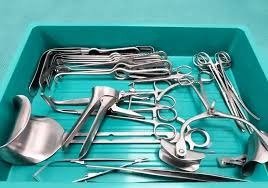
Manufacturers often produce extensive product ranges that include scissors, forceps, needle holders, retractors, clamps, elevators, curettes, surgical knives, and many other specialized instruments. Each product is designed with careful attention to ergonomics, balance, and precision to improve surgical performance.
Providing specialized solutions enables manufacturers to support diverse healthcare sectors while maintaining consistent quality across every product line.
Why Precision Manufacturing Matters
Precision manufacturing plays a vital role in producing surgical instruments capable of delivering accurate performance during complex medical procedures. Even slight manufacturing imperfections can affect instrument functionality and surgical efficiency.
Professional manufacturers use advanced measuring equipment throughout the production process to verify dimensions, alignment, and finishing quality. Every stage of manufacturing receives careful attention, from raw material preparation to final inspection and packaging.
This commitment to precision helps ensure surgeons can rely on every instrument when performing delicate procedures that demand complete accuracy.
Custom Surgical Instrument Manufacturing
Many healthcare providers require specialized instruments that are not available as standard products. A professional surgical instruments manufacturer near me may offer customized manufacturing services designed to meet individual clinical needs.
Custom manufacturing allows surgeons, hospitals, research institutions, and medical equipment distributors to request specific designs, dimensions, finishes, or functional modifications. These personalized solutions improve workflow while supporting innovative surgical techniques.
Manufacturers often collaborate closely with healthcare professionals during product development, ensuring each custom instrument reflects practical clinical experience alongside engineering expertise.
Factors to Consider Before Choosing a Manufacturer
Selecting a surgical instrument manufacturer involves evaluating multiple aspects beyond pricing. Experience within the medical manufacturing industry demonstrates technical knowledge and production consistency. Modern manufacturing facilities equipped with advanced machinery often indicate higher production quality and greater efficiency.
Customer service also plays an important role. Responsive communication, technical assistance, reliable delivery schedules, and effective after-sales support contribute to successful long-term partnerships.
Healthcare organizations should also assess production capacity to ensure manufacturers can meet future demand while maintaining consistent product quality across large orders.
Innovation Is Shaping the Future of Surgical Instruments
Medical technology continues advancing rapidly, creating opportunities for manufacturers to develop more sophisticated surgical instruments. Improved ergonomics, lightweight materials, minimally invasive surgical tools, and enhanced instrument durability represent some of the industry’s most significant innovations.
Manufacturers increasingly invest in research and development to improve instrument performance while supporting evolving surgical techniques. As robotic-assisted surgery and advanced medical technologies become more common, demand for precision-engineered instruments continues to grow.
Innovation not only benefits healthcare professionals but also contributes to better patient outcomes through improved surgical efficiency and reduced procedural risks.
Building Long-Term Partnerships with Manufacturers
Healthcare providers often benefit from establishing long-term relationships with trusted surgical instrument manufacturers. Consistent suppliers become familiar with customer preferences, allowing future orders to be processed more efficiently while maintaining expected quality standards.
Long-term partnerships also encourage collaboration on product improvements, customized manufacturing projects, and inventory planning. Manufacturers who understand the operational needs of hospitals and distributors can provide valuable recommendations that improve purchasing decisions over time.
Reliable partnerships create confidence throughout the supply chain while ensuring healthcare organizations receive dependable products whenever needed.
The Growing Demand for Surgical Instruments Worldwide
The global healthcare industry continues expanding due to population growth, medical advancements, and increased investment in healthcare infrastructure. As more hospitals, specialty clinics, and surgical centers open around the world, demand for high-quality surgical instruments continues to increase.
Manufacturers capable of producing internationally competitive products are well positioned to support this expanding market. Continuous improvements in manufacturing technology, quality assurance, and customer service help suppliers meet the expectations of healthcare providers across different regions.
This growing demand encourages manufacturers to maintain high production standards while developing innovative solutions that address modern healthcare challenges.
Conclusion
Choosing the right surgical instruments manufacturer near me is an important investment in healthcare quality, patient safety, and long-term operational success. A dependable manufacturer combines precision engineering, advanced manufacturing technology, premium materials, and exceptional customer support to deliver surgical instruments that healthcare professionals can trust every day.
Whether supplying hospitals, specialty clinics, medical distributors, educational institutions, or research facilities, experienced manufacturers contribute significantly to modern healthcare by producing reliable instruments designed for precision and durability. By carefully evaluating manufacturing expertise, product quality, technological capabilities, and service standards, healthcare organizations can establish lasting partnerships that support excellent clinical performance for years to come.