


Vasectomy is one of the most effective and reliable forms of permanent contraception available for men. While it is commonly discussed in terms of family planning and reproductive choices, its economic benefits are often overlooked. Over the course of a lifetime, vasectomy can lead to significant healthcare cost savings for individuals, families, insurers, and healthcare systems. By providing long-term contraception without the need for ongoing medical expenses, vasectomy represents a cost-effective solution that can reduce the financial burden associated with unintended pregnancies and alternative contraceptive methods.
Understanding Vasectomy
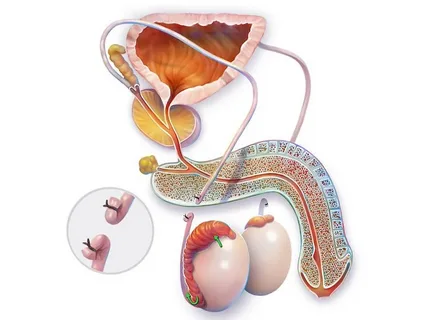
A vasectomy is a minor surgical procedure designed to prevent sperm from entering the semen. During the procedure, the vas deferens—the tubes that transport sperm from the testicles—are cut, sealed, or blocked. The procedure is typically performed in an outpatient setting under local anesthesia and usually takes less than 30 minutes.
Unlike temporary contraceptive methods that require regular maintenance or replacement, vasectomy provides a permanent solution. Once post-procedure testing confirms the absence of sperm, the need for additional contraceptive measures is significantly reduced.
The Upfront Cost Versus Lifetime Expenses
Many individuals initially focus on the one-time cost of a vasectomy. Depending on geographic location, healthcare provider, and insurance coverage, the procedure may range from a few hundred to a few thousand dollars. However, when compared to the cumulative expenses of alternative contraceptive methods, vasectomy often proves far more economical.
For example, birth control pills require monthly prescriptions for many years. Condoms must be purchased continuously throughout a person’s reproductive life. Long-acting reversible contraceptives such as intrauterine devices (IUDs) and implants involve insertion procedures, replacement costs, and follow-up visits.
When these recurring expenses are calculated over decades, the total cost often exceeds the one-time expense associated with vasectomy.
Reducing the Financial Impact of Unintended Pregnancies
One of the most significant healthcare cost savings associated with vasectomy comes from preventing unintended pregnancies. Unplanned pregnancies can generate substantial medical expenses, including prenatal care, diagnostic testing, labor and delivery, and postpartum healthcare.
Additional costs may include:
- Emergency medical care
- Infant healthcare services
- Pediatric visits
- Prescription medications
- Maternal recovery care
By providing highly effective contraception, vasectomy minimizes the likelihood of these costs occurring. Numerous health economists consider vasectomy among the most cost-effective preventive interventions in reproductive healthcare.
Savings for Families Over Time
Family financial planning extends beyond direct medical expenses. Raising a child involves substantial costs related to housing, education, nutrition, clothing, childcare, and healthcare.
While the decision to have children is personal and often influenced by many factors, vasectomy enables individuals and couples to align family size with their long-term goals. Preventing unintended pregnancies can help households maintain financial stability and allocate resources more effectively.
These indirect economic benefits may continue for decades and contribute significantly to overall lifetime savings.
Insurance and Healthcare System Benefits
Healthcare insurers increasingly recognize the economic advantages of preventive care strategies. Vasectomy often costs significantly less than the expenses associated with pregnancy and childbirth.
As a result, many insurance plans provide partial or full coverage for the procedure. From an insurer’s perspective, supporting access to vasectomy may reduce future expenditures associated with maternity care and related services.
Healthcare systems also benefit because resources can be directed toward necessary medical treatments rather than preventable reproductive health expenses.
Comparing Vasectomy With Female Sterilization
When discussing permanent contraception, vasectomy is frequently compared with tubal ligation, a sterilization procedure for women. Although both methods are highly effective, vasectomy is generally less invasive, less expensive, and associated with shorter recovery times.
Tubal ligation often requires operating room resources, anesthesia, and greater postoperative care. These factors contribute to higher healthcare expenditures.
From a cost-effectiveness perspective, vasectomy is often considered the more economical option for couples seeking permanent contraception. The reduced procedural complexity translates into lower direct medical costs and fewer recovery-related expenses.
Long-Term Economic Value
Health economists commonly evaluate medical interventions using cost-effectiveness analyses. These analyses examine the relationship between healthcare spending and long-term outcomes.
Vasectomy consistently performs well in such evaluations because:
- It requires a single procedure.
- Success rates are extremely high.
- Maintenance costs are minimal.
- Complications are relatively uncommon.
- Long-term effectiveness extends throughout reproductive years.
The economic value becomes increasingly apparent as the years pass. The longer an individual relies on vasectomy for contraception, the greater the potential cost savings compared with temporary methods.
Workplace and Productivity Benefits
Although often overlooked, vasectomy may also contribute to workplace productivity. Recovery is generally brief, allowing most patients to return to normal activities within a few days.
In contrast, pregnancy-related medical appointments, childbirth recovery, and childcare responsibilities can create additional demands on families and employers. While these factors vary among individuals, preventing unintended pregnancies may reduce disruptions that affect workforce participation and productivity.
From a societal perspective, these indirect economic effects contribute to the overall value of effective family planning services.
Public Health Implications
Public health experts emphasize the importance of accessible contraceptive options. Vasectomy serves as an important component of comprehensive reproductive healthcare because it expands male participation in family planning.
When effective contraceptive methods are widely available, communities may experience reductions in unintended pregnancy rates and associated healthcare expenditures. These savings can support broader public health initiatives and improve healthcare resource allocation.
As healthcare systems increasingly focus on preventive care, vasectomy continues to stand out as an intervention that offers both clinical effectiveness and economic efficiency.
Conclusion
Vasectomy is much more than a permanent contraceptive procedure. It represents a strategic healthcare investment with the potential to generate substantial cost savings throughout a person’s lifetime. By eliminating the ongoing expenses associated with many temporary contraceptive methods and reducing the risk of unintended pregnancies, vasectomy offers significant financial benefits for individuals, families, insurers, and healthcare systems.
Its combination of high effectiveness, low maintenance requirements, and long-term economic value makes vasectomy one of the most cost-efficient reproductive healthcare interventions available today. As awareness grows regarding both its medical and financial advantages, vasectomy will likely continue to play an important role in modern family planning and preventive healthcare strategies.
FAQs
1. How long does it take for vasectomy to become effective?
A vasectomy is not immediately effective. Most patients require a follow-up semen analysis several weeks after the procedure to confirm that sperm are no longer present.
2. Is vasectomy more cost-effective than long-term use of birth control?
In many cases, yes. Because vasectomy involves a one-time procedure with minimal ongoing expenses, it often becomes more economical than decades of purchasing contraceptive products or prescriptions.
3. Does insurance typically cover vasectomy?
Many health insurance plans provide partial or full coverage for vasectomy, although coverage varies depending on the provider, policy, and geographic location.