

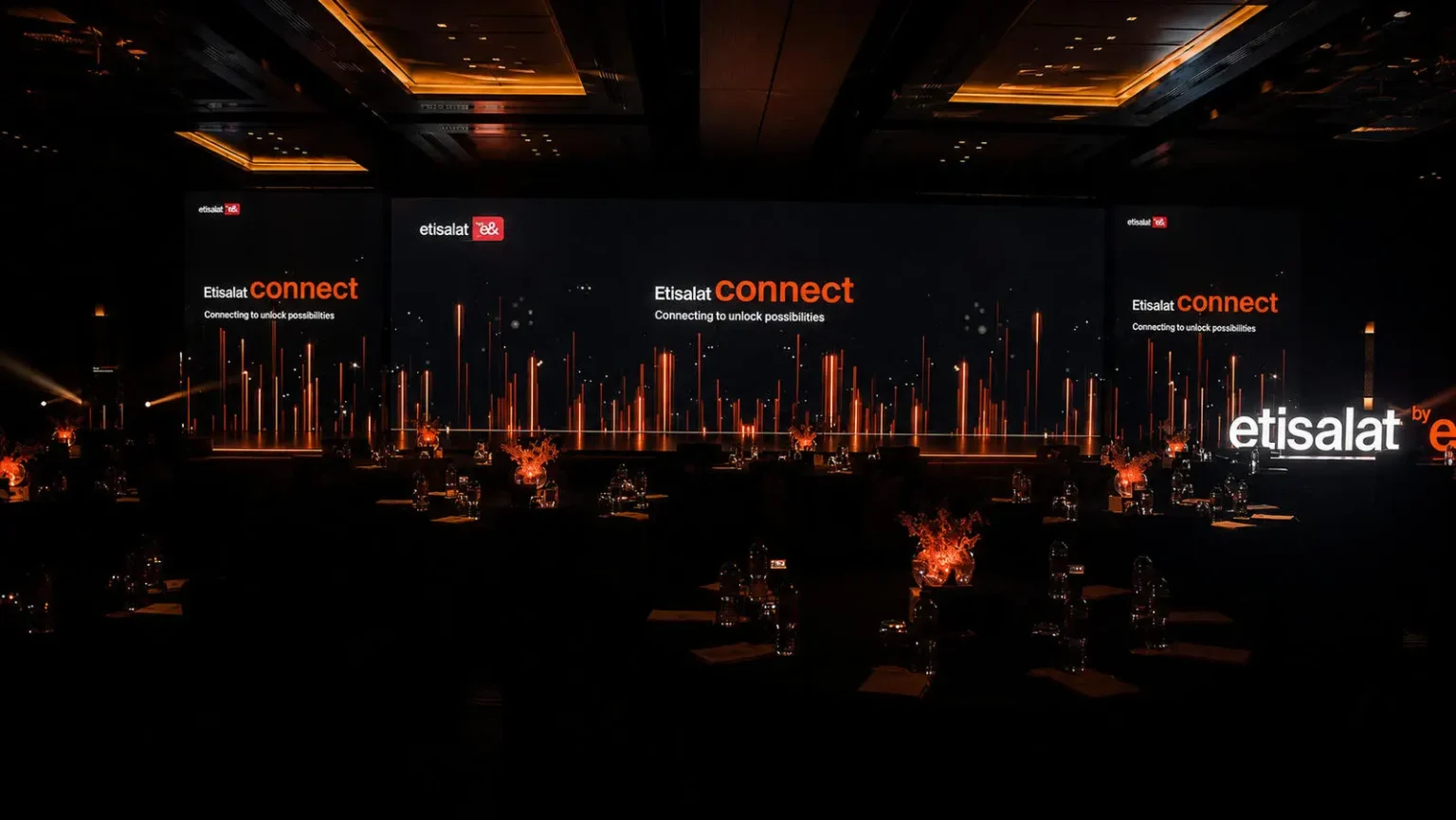

Organising a multi-day corporate event requires more than extending a single-day schedule. Planners must coordinate the full programme, venue access, accommodation where needed, catering, transport, technical production, staff shifts, and activities across every event day. The plan should also account for overnight equipment security, daily setup checks, and changes that may arise between sessions.
Businesses organising conferences, leadership retreats, exhibitions, or corporate gatherings should establish the event’s overall objectives before deciding how each day will operate. A structured approach helps maintain consistency while giving attendees enough time for sessions, networking, breaks, and movement between activities.
Define the Purpose of Each Day
Start with the overall event objective and divide it into daily goals. Each day should have a clear role in the wider programme.
For example, a three-day industry conference might use the first day for registration and keynote sessions, the second for workshops and discussions, and the third for specialist sessions and closing activities.
A conference management company dubai businesses assess should understand how agenda design, speaker coordination, technical delivery, and attendee logistics interact across several days.
Avoid repeating similar sessions without a clear reason. Instead, create a logical progression that supports the event’s objectives.
Build a Practical Multi-Day Agenda
Plan session lengths, breaks, networking periods, meal service, and room transitions carefully. Long programmes can lead to attendee fatigue if they contain too many consecutive presentations or insufficient breaks.
Use the following planning framework:
| Agenda Element | What to Consider |
|---|---|
| Registration | Opening times, daily check-in, and attendee identification |
| Keynote sessions | Speaker availability, room capacity, and technical cues |
| Workshops | Room layouts, materials, facilitators, and participation |
| Networking | Suitable spaces and sufficient time between sessions |
| Catering | Meal timings, dietary needs, and expected attendance |
| Evening activities | Transport, access arrangements, and programme transitions |
| Closing session | Final announcements, feedback, and departure arrangements |
Publish a clear agenda and communicate changes promptly.
Select the Venue and Plan Accommodation
Choose a venue that can support the complete programme, including session rooms, exhibition areas, networking spaces, catering, and technical facilities.
For events involving visitors from other cities or countries, consider accommodation, airport transfers, local transport, and the distance between hotels and event locations.
Confirm whether rooms and equipment will remain available between event days. Ask about overnight security, storage, access restrictions, and procedures for leaving installed production equipment in place.
Coordinate Production Across Every Day
A multi-day event may use the same technical setup throughout, but daily checks remain essential. Equipment can be moved, settings can change, and content may be revised after the first day.
Create a daily production checklist covering:
- Microphones, speakers, and audio levels
- Screen content and presentation files
- Lighting settings and stage appearance
- Internet connectivity and streaming systems
- Speaker changes and updated programme cues
- Power distribution and cable safety
- Room layouts, signage, and attendee access
If the programme uses different rooms or stages, prepare separate technical documents linked to one master schedule.
Manage Suppliers and Staff Shifts
Multi-day programmes require clear arrangements for supplier access, equipment maintenance, staff coverage, catering replenishment, cleaning, and overnight security.
Confirm supplier responsibilities for every day rather than assuming the original agreement covers all operational needs.
A gala night organisers dubai team involved in a multi-day corporate programme may also need to coordinate an evening awards dinner with the daytime conference. This requires a separate schedule for stage changes, guest arrivals, dining service, entertainment, and technical transitions.
Make sure staff shifts include sufficient handover time and that every team knows who is responsible outside normal programme hours.
Prepare for Changes Between Event Days
The first day can reveal problems that need attention before the next session. Attendee feedback may highlight confusing signage, room capacity issues, programme delays, or technical difficulties.
Schedule a short daily review involving key team leads. Record issues, agree corrective actions, assign owners, and confirm whether the next day’s plan needs updating.
Maintain contingency arrangements for speaker cancellations, equipment faults, changes in attendance, and supplier delays.
Plan Attendee Communication and Comfort
Attendees should know where to go, when sessions begin, how to access event materials, and whom to contact for assistance.
Provide the full agenda in an accessible format and communicate daily changes through a consistent channel. Clear signage, comfortable seating, suitable breaks, and accessible routes can improve the experience across the entire programme.
For international attendees, communicate relevant travel, venue access, local transport, and accommodation information in advance.
Evaluate the Event After Completion
Review performance across all days rather than assessing only the final session.
Compare attendance, participation, feedback, session performance, and operational issues with the original objectives. Gather input from speakers, suppliers, staff, and attendees.
Document lessons learned while the details remain clear. This creates a practical reference for future conferences, exhibitions, and corporate programmes.
Common Questions
1. How far in advance should a multi-day corporate event be planned?
The lead time depends on the event’s size, location, venue availability, international participation, and production complexity. Begin as early as necessary to secure essential resources and approvals.
2. Should the same technical equipment be checked every day?
Yes. Daily checks help confirm that equipment, content, settings, and connections remain ready for the programme.
3. What makes a multi-day agenda effective?
A clear progression of sessions, realistic timings, sufficient breaks, practical room transitions, and consistent communication.
4. Why are daily team reviews useful?
They help teams identify issues from the previous day and make controlled improvements before the next programme begins.
Final Words
Multi-day corporate events require consistent planning across the agenda, venue, accommodation, production, suppliers, and attendee communication. Daily checks and structured reviews help maintain quality, address emerging problems, and keep the full programme aligned with its objectives.