
Food presentation matters to New Zealand cafés, bakeries, delis, cheesemongers, and takeaway businesses. Customers notice how a sandwich is wrapped, how a bakery item is presented, and whether packaging keeps food neat during transport. The right paper helps businesses manage everyday service while creating a consistent look across orders.
Different foods need different types of wrapping. Cheese may require packaging suited to its storage needs, while burgers and fried foods often need paper that handles grease. Wax paper has its own uses, depending on its coating and intended application. Choosing based on the food, temperature, moisture, and length of contact helps businesses find a practical option for daily operations.
For retailers, delis, and food producers, Custom Cheese Paper can be considered when planning packaging for cheese products and branded presentation. The paper should be suitable for the specific cheese and storage conditions, since different varieties can vary in moisture, texture, and handling needs. A well-planned design can also help the product look organised and recognisable without making the packaging difficult to use.
Cheese Paper for Delis and Specialty Food Retailers
Cheese packaging needs to balance handling, presentation, and the requirements of the product. Specialty food stores may sell everything from firm cheeses to softer varieties, so a single paper specification may not suit every item. Businesses should check whether their chosen paper is designed for the type of cheese being wrapped and how it will be stored.
Custom printing can add a professional touch to cheese counters, farmers’ markets, specialty shops, and gift hampers. A repeating logo, simple brand pattern, or restrained colour palette can create a consistent presentation without overpowering the food. Printing should be planned around the practical wrapping process, leaving enough usable paper to fold and secure the product neatly.
Businesses should also consider how the paper performs during refrigeration and handling. Packaging that works for a short display period may not be suitable for longer storage. Confirm the material’s intended food-contact use with the supplier before selecting it for a particular cheese or storage method.
Greaseproof Paper for Takeaway and Bakery Foods
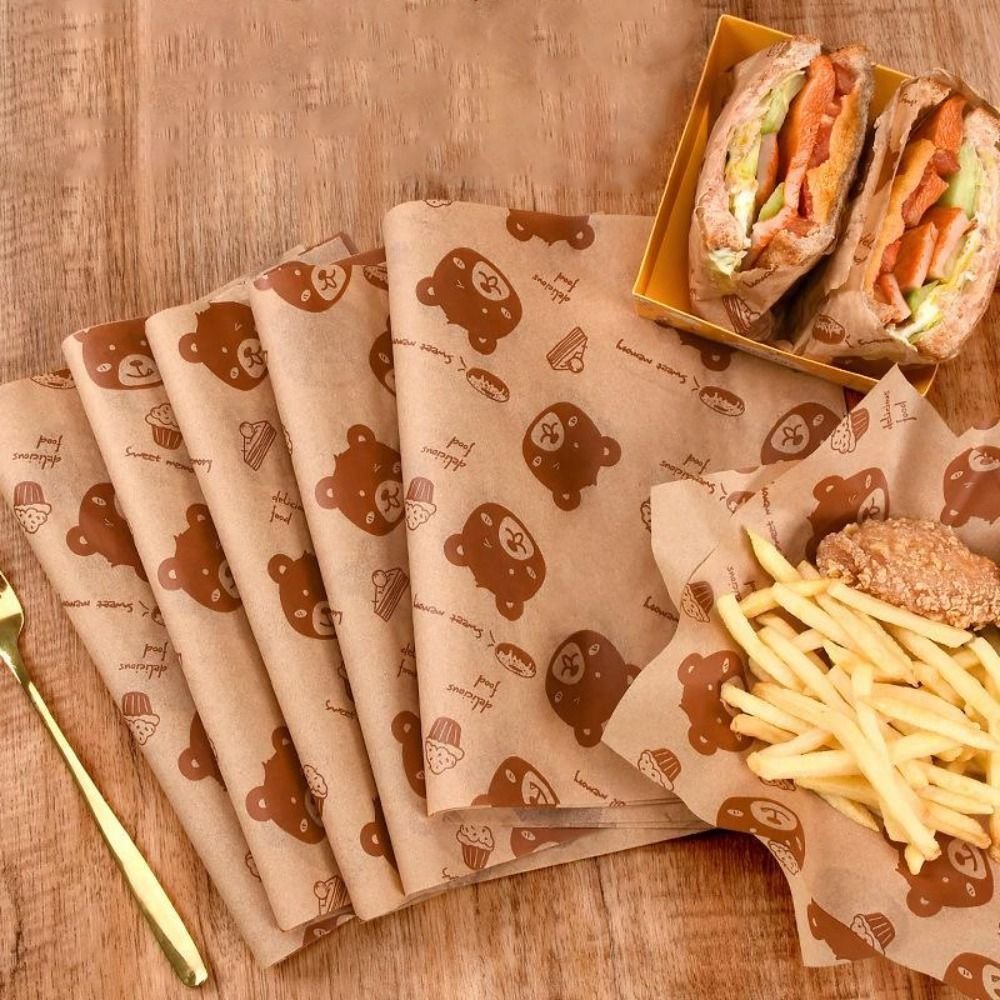
Greaseproof paper is commonly considered for foods that release oil or fat during serving. Depending on its specification, it can be useful for wrapping suitable burgers, pastries, sandwiches, baked goods, and fried foods. It can also be used as a liner for trays or baskets, helping keep serving areas tidier and giving food a more consistent presentation.
For businesses that want packaging to support their visual identity, Custom Greaseproof Paper offers a way to incorporate branding into food wrapping. Repeating logos or simple graphics can help a café or takeaway shop maintain a recognisable look across dine-in, takeaway, and delivery orders. The design should remain clear when the sheet is folded around food or placed inside a tray.
Paper selection still matters more than appearance alone. Grease resistance can vary between products, and not every sheet is suitable for very hot, wet, or oily food. Businesses should check the product specifications for the intended food and serving conditions. If the paper will contact hot food directly, confirm that its material and printing are suitable for that use.
Understanding Wax Paper
Wax paper may suit certain wrapping and food-handling tasks, but it should not automatically be treated as a replacement for greaseproof paper or baking parchment. Its coating affects how it behaves, particularly when exposed to heat. Businesses need to check the intended application before using it for wrapping, storage, or preparation.
For suitable products and uses, Custom Wax Paper can combine practical wrapping with branded presentation. Food shops may use custom designs to create a consistent look for selected products, takeaway orders, or packaged treats. A simple print can be enough to make packaging feel connected to the business without adding unnecessary visual clutter.
Before choosing wax paper, consider whether the food is hot or cold, how oily or moist it is, and how long it will remain in contact with the sheet. Wax paper is not automatically suitable for oven use, so always follow the supplier’s instructions. Where food safety or storage is involved, confirm the paper’s intended use instead of relying on the product name alone.
Build a Consistent Packaging Style
Using different papers does not mean a food business needs several unrelated designs. A coordinated brand style can bring cheese wraps, bakery packaging, and takeaway sheets together. Businesses can use the same logo, typography, and a small set of brand colours while adjusting the layout to suit each paper type and product.
The design should also work in real service conditions. Small, repeated graphics are often easier to position across folded sheets than a large design that may be hidden once the food is wrapped. Clear printing and an uncluttered pattern can keep the packaging attractive without making it harder for staff to handle quickly.
Ordering the correct sheet size is another useful consideration. A sheet that is too small may be difficult to fold securely, while an oversized sheet can create unnecessary waste. Review the portion size, wrapping method, storage space, and expected daily use before confirming specifications.
Check Food Safety and Practical Requirements
Food-contact packaging should be clean, intact, and suitable for the food and conditions in which it will be used. New Zealand’s Ministry for Primary Industries advises businesses to consider factors such as food composition, temperature, storage, and shelf life when selecting packaging. It also recommends obtaining appropriate assurance from suppliers about packaging safety. <Cite refs={[“turn556465search0”]}/>
For a business ordering custom paper, this means checking more than the print design. Confirm that the paper is intended for direct food contact where needed, that its grease or moisture resistance matches the application, and that any printing or coating is suitable for the intended conditions. Store unused paper in a clean, dry place away from dust, pests, and chemicals.
It is also sensible to test a sample during normal service before committing to a larger order. Staff can check whether the paper folds easily, holds up during handling, and suits the food being served. That practical review can help identify problems before the packaging becomes part of everyday operations.
FAQs
What is the difference between cheese paper and greaseproof paper?
They are designed for different purposes. Cheese paper should be selected according to the cheese and its storage needs, while greaseproof paper is generally chosen for suitable foods where resistance to grease is important. Always check each product’s specifications.
Can wax paper be used for hot food?
It depends on the paper’s specification and the intended use. Wax paper should not automatically be used in an oven or with high-temperature applications. Follow the manufacturer’s instructions and confirm suitability before use.
Can food wrapping paper be custom printed?
Some paper products are available with custom printing. Businesses should confirm available print options, food-contact suitability, sheet dimensions, and order requirements with their supplier before ordering.
Conclusion
Cheese paper, greaseproof paper, and wax paper each serve different roles in food packaging. For New Zealand food businesses, the best choice depends on the product, storage conditions, serving method, and desired presentation. By confirming the paper’s intended use and coordinating the design across packaging formats, businesses can create a practical and recognisable brand experience for their customers.p