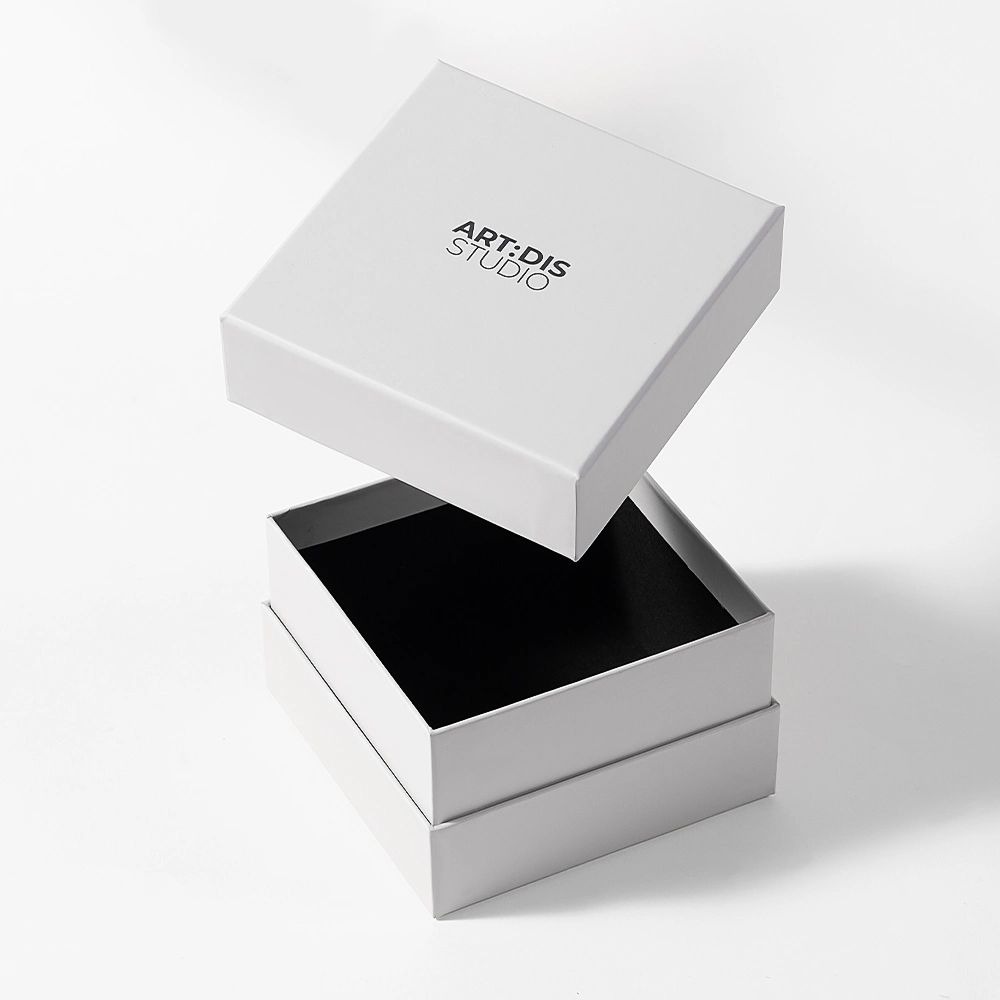

Packaging can influence how customers perceive a product before they even open it. For premium goods, the weight, structure and finish of a box can communicate quality while keeping the product neatly presented. Jewellery, cosmetics, electronics, apparel and gift sets are just some of the products that can benefit from packaging designed with both appearance and protection in mind.
Unlike ordinary folding cartons, rigid boxes are made from thick board that holds its shape. This construction creates a solid feel and supports a range of presentation styles, from traditional lid-and-base designs to sliding drawers. The best choice depends on the product, the intended customer experience and the practical requirements of storage and handling.
For Canadian retailers, manufacturers and online businesses, Custom Rigid Boxes Wholesale offers a way to develop consistent packaging for premium products and gift collections. Businesses can customize dimensions, printed wraps, colours and finishing details to match their brand. Selecting the right structure at the beginning also helps ensure that the box fits the product and suits the way it will be packed and delivered.
What Makes Rigid Boxes Different?
Rigid boxes use thick paperboard that maintains its shape instead of folding flat like a standard carton. The exterior is typically covered with printed or decorative paper, allowing brands to create a range of looks without sacrificing the box’s solid construction.
This style is often chosen for products where presentation matters as much as practical protection. A rigid box can hold an item securely, provide a substantial feel in the customer’s hands and create a more considered unboxing experience. However, the appropriate thickness and internal support should still reflect the product’s weight, size and fragility.
Choosing the Right Box Structure
The structure determines how a box opens, how the product is revealed and how easily the packaging can be handled. A separate lid and base offers a familiar presentation, while a hinged lid keeps the cover attached. Drawer-style boxes use a sliding tray that pulls out from an outer sleeve, providing a different opening experience.
Consider how the customer will access the product and whether the packaging needs to hold additional items. Gift sets may benefit from separate compartments, while a single premium product may need a fitted insert. Choosing a suitable structure can improve the presentation while keeping the contents organised.
The Appeal of Rigid Slide Boxes
Sliding boxes create a gradual reveal as the inner tray moves out of its sleeve. This style can suit jewellery, watches, small electronics, cosmetics and gift items. A ribbon pull or thumb notch can make the tray easier to open, while a fitted insert can help keep the product in place.
Businesses looking for this format can consider Custom Rigid Slide Boxes Wholesale. The outer sleeve and inner tray can be designed to match the product dimensions and branding. The sliding fit is important: a tray that is too tight may be difficult to open, while one that is too loose may not stay securely inside the sleeve during handling.
Setup Boxes for a Solid Presentation
Setup boxes are another name for rigid boxes that are formed into their final structure during production. Unlike folding cartons that are assembled from flat board, setup boxes arrive in a ready-shaped format. Their firm construction can make them suitable for premium gifts, cosmetics, apparel accessories and other products that benefit from a sturdy presentation.
Custom Rigid Setup Boxes With Logo allow businesses to incorporate their branding into the exterior design. Logos, printed wraps and selected finishes can help create a consistent appearance across a product range. The box can also include an insert or internal divider where needed, provided the layout suits the dimensions and weight of the contents.
Printing and Finishing Options
The exterior finish helps define the character of rigid packaging. Matte surfaces can give a restrained, modern appearance, while gloss finishes add shine. Foil stamping can highlight a logo or product name, and embossing or debossing can introduce texture to selected details.
These effects should work with the brand’s colours and overall design. A minimal logo with one metallic accent may suit a premium product, while a more colourful printed wrap can work for a gift collection. Leaving enough space around the logo and product information helps keep the design readable and prevents decorative effects from overwhelming the packaging.
Designing the Interior
The inside of the box should be planned with the same care as the exterior. An insert can hold the product in position, separate multiple components or provide a dedicated space for accessories. Depending on the item, suitable options may include paperboard dividers, foam supports or other inserts designed for the product.
A well-organised interior helps prevent items from moving around and gives customers a clear view of the contents when the box opens. The insert should hold the product securely without making it difficult to remove. Testing the complete box with the actual product can help identify fit or usability issues before a larger production run.
Rigid Boxes for Different Industries
Jewellery brands may use compact rigid boxes with fitted inserts to present rings, bracelets or necklaces. Cosmetics and fragrance businesses can use rigid packaging for gift sets or premium product lines. Electronics brands may require internal supports for accessories, while apparel businesses can use larger formats for folded garments or coordinated gifts.
Each application has different requirements. A box intended mainly for retail display may not need the same construction as packaging that will travel through a courier network. Businesses should consider product weight, handling, storage and any additional shipping protection needed.
Planning a Wholesale Order
Before ordering, confirm the product dimensions, box style, quantity, material, artwork and preferred finish. Consider whether the design needs a pull ribbon, special closure, insert or divider. These decisions can affect both the internal layout and the exterior dimensions, so it is best to settle them before artwork is finalised.
A sample or production-ready mockup can help verify the fit, opening mechanism and printed design. It is also useful to test how the box behaves during normal handling and packing. Clear specifications can make repeat orders more consistent and help prevent avoidable changes during production.
FAQs
What products are suitable for rigid boxes?
Rigid boxes can suit jewellery, watches, cosmetics, fragrances, electronics accessories, apparel gifts and premium gift sets. The structure and insert should match the product’s size, weight and protection needs.
What is the difference between rigid slide boxes and setup boxes?
Rigid slide boxes have an inner tray that slides out from an outer sleeve. Setup boxes are rigid boxes formed into their final shape during production and can use different opening styles, including separate lids and drawer structures.
Can rigid boxes be customized with a logo?
Yes. Depending on the material and production options, rigid boxes can feature printed logos, custom colours, foil stamping, embossing, debossing and other finishes.
Are rigid boxes suitable for shipping?
Rigid construction provides a sturdy shape, but shipping suitability depends on the product, box design and delivery conditions. Fragile or valuable items may still require an outer shipping carton and suitable protective materials.
Conclusion
Rigid packaging combines a solid structure with opportunities for distinctive branding and presentation. Wholesale rigid boxes can support consistent packaging across a product range, while slide boxes offer a drawer-style opening and setup boxes provide a ready-shaped construction. By choosing the right dimensions, interior support, finish and opening style, Canadian businesses can create packaging that suits their products and delivers a polished customer experience.